Even if you turn off your own WiFi, you may still pick up a low level of RF from your neighbors’ routers [1], especially in apartments or townhomes.
Watch our quick tip on YouTube Shorts
Before reaching for shielding, it helps to find out whether the neighbors are a meaningful source at all. In a house or apartment, they are often one of the weaker sources inside, and the exposures that matter most tend to be the ones closest to the body.
Get our complete guide with room-by-room strategies and product recommendations.
What your own router does not control
Switching off your own router removes your own signal. It does not remove the networks next door, which cross the wall at a lower level. Whether that matters depends on how close the other router is, how many there are and what sits between you.
The study “Wi-Fi is an important threat to human health” is a paper arguing for harm, but measurements and agency reviews point the other way: in Belgian homes the average total electric field was 0.1 V/m with a maximum of 1.1 V/m, and a WHO workshop report concluded the evidence provides little support for adverse health effects from RF exposure below current international standards [1][2].
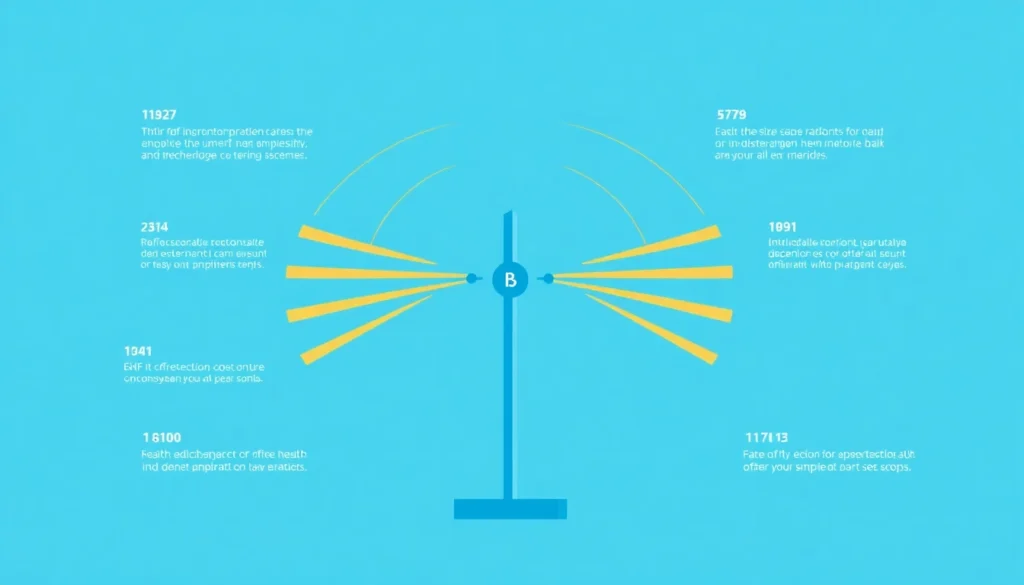
Shielding paint reflects part of an outside signal, and gaps still let it in
A conductive layer bounces RF
Metal-coated fabric, foil, mesh and conductive paint reflect most incoming radio-frequency energy.
Some energy is lost inside
Thicker or multi-layer materials also absorb part of the signal as it passes through.
Gaps let signals through
Seams, open weaves, zips and unsealed edges leak, and short wavelengths slip through smaller gaps.
Low-frequency magnetic fields pass
Thin fabric or paint does little against 50/60 Hz magnetic fields; distance or special high-permeability metal is needed.
Coverage and gaps decide the result.
How well a material shields depends on the frequency and on how completely it covers the space.
Chart: frequencyblockers.com: Shielding paint reflects part of an outside signal, and gaps still let it in
Embed this chart
Free to reuse on your site. Copy the code below; please keep the credit link.
How to find out how much arrives
A Wi-Fi analyzer app on a phone lists the networks it can see and how strong each one is. Walk through the rooms where you spend the longest stretches and note where the list gets long or the signal bars climb. A strong network showing from the next apartment is usually near a shared wall.
An RF meter gives the number the app cannot, which is the total field in the room. Take a reading with your own router off, in the bedroom first, and again at a spot well away from the shared wall. If the two readings are close, a wall treatment will not help much.

Shielding paint and window film: what to expect
Paint and film reflect part of the signal and let some through, and the result depends on how complete the coverage is. Radio finds the gaps at windows, doors, outlets and the floor or ceiling, so a painted wall can still leave a room fairly exposed. Treating one wall also lowers the cell signal and your own Wi-Fi inside, which you may not want.
If the meter shows a clear difference at a shared wall, a product such as the Yshield shielding paint is worth a trial there first. Test again after it has dried, and keep the bedroom as the priority, since it is where you stay longest.
YShield EMF Shielding Paint
Shielding paint is the heavy option for a shared wall, and it only works if it is grounded properly. Measure first, since neighbor Wi-Fi is often weak by the time it reaches you.
How it fits with other sources
Neighbor WiFi may add to your exposure, but other sources usually matter more: in a 24-hour study of 75 volunteers in Albacete, Spain, DECT cordless phones gave 50.2% of mean personal exposure, mobile phones 18.4%, WiFi 12.5% and mobile base stations 11.0% [3]. The inverse square law of physics means that EMF intensity drops quickly with distance: in open space, doubling your distance cuts the power density to a quarter.
The International Agency for Research on Cancer (IARC) has classified radiofrequency electromagnetic fields as “possibly carcinogenic to humans,” a rating based on limited evidence: IARC rated the human evidence as limited for glioma and acoustic neuroma and inadequate for other cancers, while the US National Cancer Institute says the evidence to date suggests cell phone use does not cause brain or other kinds of cancer. Some people choose low-cost precautions anyway [5][6].

Ready for More EMF Protection Tips?
Our complete guide includes 100 actionable strategies for every room in your home, plus product recommendations from our curated collection.
Frequently Asked Questions
Can neighbor WiFi interference really affect my health even if I turn off my own router?
Routers next door do add to the RF in your home, but measured levels are low: in Belgian homes the average total electric field was 0.1 V/m with a maximum of 1.1 V/m, and WiFi levels in Australian classrooms were a small fraction of exposure guidelines. A WHO workshop report concluded the evidence provides little support for adverse health effects from RF exposure below current international standards, so treat addressing neighbor WiFi as a personal choice [1][4][2].
What’s the most effective way to reduce neighbor WiFi interference in my home?
The distance principle is one of the most effective strategies for reducing neighbor WiFi exposure because it addresses the root cause rather than just treating symptoms. You can implement this by positioning your living spaces away from shared walls where routers are located, or using EMF shielding materials like shielding paint on walls that face neighbors’ WiFi sources.
Is EMF shielding paint an effective solution against neighbor WiFi signals?
EMF shielding paint can be an effective tool when applied to walls that receive direct RF exposure from neighboring routers. However, it works best as part of a comprehensive approach that combines distance strategies, proper positioning of your living areas, and other protective measures for maximum effectiveness.

How can I measure if neighbor WiFi interference is actually affecting my home?
You can measure RF radiation levels in your home using EMF meters or RF detectors to identify hotspots where neighbor interference is strongest. This data helps you prioritize which areas need the most protection and allows you to track your success after implementing distance-based strategies or shielding solutions.
References
- Leen Verloock et al. Assessment of Radio Frequency Exposures in Schools, Homes, and Public Places in Belgium. Health Physics (2014). PMID 25353235
- Peter A. Valberg et al. Workgroup Report: Base Stations and Wireless Networks, Radiofrequency (RF) Exposures and Health Consequences. Environmental Health Perspectives (2006). PMID 17431492
- Ramirez-Vazquez R et al. Characterisation of personal exposure to environmental radiofrequency electromagnetic fields in Albacete (Spain) and assessment of risk perception. Environmental research (2019). PMID 30782530
- Ken Karipidis et al. Exposure to Radiofrequency Electromagnetic Fields From Wi-Fi in Australian Schools. Radiation Protection Dosimetry (2016). PMID 28074013
- International Agency for Research on Cancer IARC classifies radiofrequency electromagnetic fields as possibly carcinogenic to humans (Press release 208). International Agency for Research on Cancer (2011). source
- US National Cancer Institute Cell Phones and Cancer Risk. US National Cancer Institute (current). source
These statements have not been evaluated by the Food and Drug Administration. This information is not intended to diagnose, treat, cure, or prevent any disease. Content is for informational purposes only and is not medical advice; consult a qualified healthcare provider before starting any supplement. As an Amazon Associate we earn from qualifying purchases.