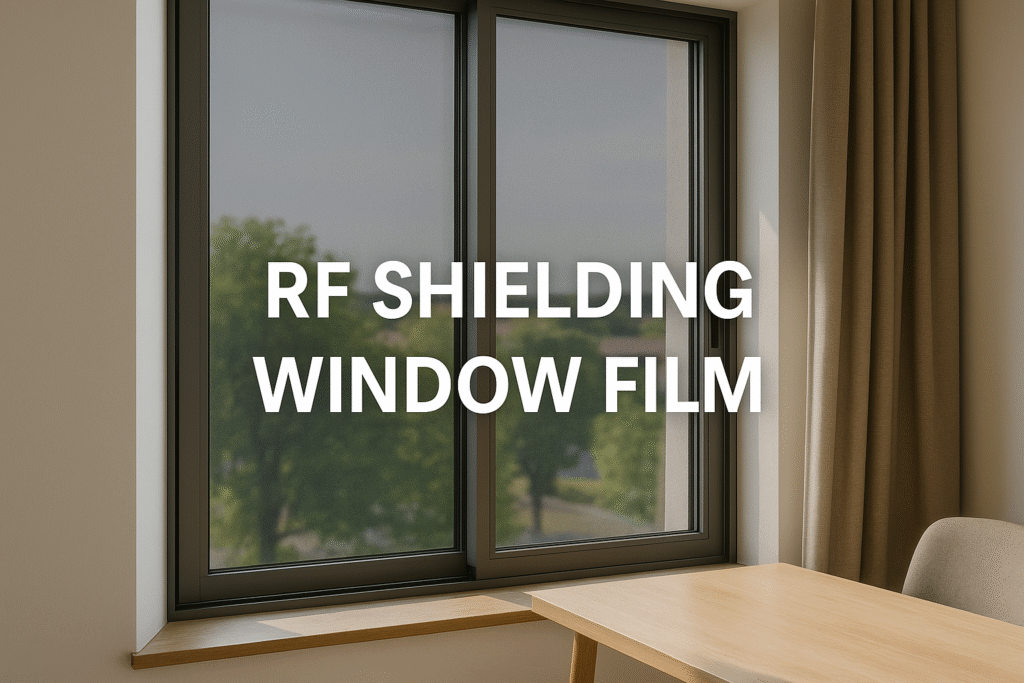
As more people strive to reduce electromagnetic field (EMF) exposure in their homes, attention has turned to often-overlooked entry points for radiationwindows. Glass, while beautiful and open, can also act as a gateway for Wi-Fi, 5G, and radiofrequency signals. EMF shielding window blinds offer a practical and attractive way to block or reflect unwanted electromagnetic energy while maintaining comfort and style.
What Are EMF Shielding Window Blinds?
EMF shielding blinds look and function like traditional window coverings, but they’re made from conductive materials such as silver-coated fabrics, stainless steel mesh, or carbon-infused textiles. These specialized materials reflect or absorb electromagnetic radiation, reducing its penetration into indoor spaces.
They can be installed in bedrooms, offices, or living areas to create a more controlled, low-EMF environment, particularly valuable for those living near cell towers or high-density Wi-Fi zones.
How They Work
The principle is similar to a Faraday shield. The blinds’ woven metallic fibers form a conductive surface that reflects and redistributes incoming electromagnetic fields. When properly installed and optionally grounded, the blinds can reduce RF entering through windows and, if grounded, low-frequency electric fields, though gaps at the edges leak [1].
Shielding blinds reflect RF at the window, but the frame and gaps leak
A conductive layer bounces RF
Metal-coated fabric, foil, mesh and conductive paint reflect most incoming radio-frequency energy.
Some energy is lost inside
Thicker or multi-layer materials also absorb part of the signal as it passes through.
Gaps let signals through
Seams, open weaves, zips and unsealed edges leak, and short wavelengths slip through smaller gaps.
Low-frequency magnetic fields pass
Thin fabric or paint does little against 50/60 Hz magnetic fields; distance or special high-permeability metal is needed.
Windows are one entry point of several
How well a material shields depends on the frequency and on how completely it covers the space.
Chart: frequencyblockers.com: Shielding blinds reflect RF at the window, but the frame and gaps leak
Embed this chart
Free to reuse on your site. Copy the code below; please keep the credit link.
Shielding performance depends on:
- Material composition
- Weave density
- Grounding quality
- Installation coverage (side gaps and overlaps)
Key Materials Used in EMF Shielding Blinds
| Material | Description | Typical Attenuation |
|---|---|---|
| Silver-Coated Fabric | Excellent conductivity; soft and luxurious look | 30 to 50 dB |
| Stainless Steel Mesh | Highly durable and easy to clean | 40 to 60 dB |
| Carbon Fiber Weave | Lightweight and non-metallic | 20 to 35 dB |
| Copper-Infused Fabric | Strong reflection of EMF, stylish warm tone | 25 to 45 dB |
The higher the decibel (dB) rating, the greater the shielding capability: each 10 dB represents a tenfold reduction in signal strength.
Benefits of EMF Shielding Window Blinds
- Reduce RF and EMF Exposure: Especially helpful if your windows face a cell tower or smart meter.
- Preserve Aesthetics: Modern designs resemble regular blinds or curtains and blend in with décor.
- Temperature and Light Control: Metallic fabrics often add thermal reflection, keeping rooms cooler.
- Privacy Enhancement: Metallic mesh designs provide visual privacy from the outside.
- Custom Fit Options: Can be made to order for standard or specialty windows.
Comparison Table: Popular EMF Shielding Window Blind Options
| Brand / Product | Material | Shielding Rating | Grounding |
|---|---|---|---|
| YShield Steel-Tex Blinds | Stainless steel fiber | 50 dB | Optional |
| LessEMF High Shield Roll-Up | Silver/copper fabric | 40 dB | No |
| Swiss Shield Naturell Roller | Semi-transparent polyester with silver coating | 30 dB | No |
| DefenderShield EMF Window Cover | Aluminum-backed fabric | 35 to 45 dB | No |
These represent reliable brands frequently used in low-EMF home installations and wellness-oriented remodels.
Check a meter before buying. Smart meters transmit only a small fraction of the time (99.9% of meters had a duty cycle of 1.12% or less), and peak fields 0.3 m in front of deployed smart meters were no more than 15% of the US FCC general-public exposure limit. Base station power density inside a building can be 1 to 100 times lower than outside, depending on construction [4][5].
Installation Tips for Maximum Shielding
- Cover fully: Ensure the blinds cover the entire glass area with overlap on the frame edges.
- Avoid gaps: Light leaks often mean EMF leaks: fit tightly to the wall or frame.
- Optional grounding: For electric field reduction, connect grounding wire to a grounded outlet.
- Pair with shielding paint: Combine window blinds with EMF shielding paint or curtains for wider room protection.
- Test the results: Use an EMF meter to measure field strength before and after installation.
Practical Applications
- Bedrooms: For creating low-EMF sleep environments.
- Home Offices: To protect from Wi-Fi and 5G signals while working.
- Apartments & Condos: Ideal where routers or antennas are close by.
- Smart Homes: Reduces overall exposure without disabling convenience devices.
Common Mistakes to Avoid
- Choosing thin decorative fabrics: Not all metallic sheens provide real EMF attenuation.
- Leaving side gaps: EMF can easily bypass open edges.
- Neglecting other surfaces: Walls, ceilings, and floors may still transmit EMF.
- Assuming total protection: These products reduce exposure, not eliminate it entirely.
Key Takeaways
- EMF shielding window blinds combine design and protection, reducing exposure from Wi-Fi, 5G, and other radiofrequency sources.
- The best options use conductive fabrics like silver, copper, or stainless steel and may offer up to 99% signal attenuation.
- Use alongside other protective measuresshielding paint, canopies, and mattress toppers, to create a low-radiation sleeping area.
Further Reading
- YShield: Shielding Fabrics & Paints
- LessEMF: EMF Window Coverings
- DefenderShield: Home Protection Products
- Safe Living Technologies: EMF Solutions
- Electronics Notes: Faraday Shielding Basics
Featured Products
Looking for quality EMF protection? Check out these recommended products:
Frequently Asked Questions
Do EMF shielding window blinds actually work, or is this just marketing?
Yes, they work based on Faraday shield principles. The conductive metallic fibers in the blinds reflect and redistribute electromagnetic fields, with attenuation ratings ranging from 20-60 dB depending on the material used. Each 10 dB is a tenfold reduction in signal power, so a 40 dB rating means the signal power at the tested frequency drops to one ten-thousandth, if the test setup holds and nothing leaks around the blind [2][3].
Which material is best for EMF shielding window blinds if I want both protection and style?
Silver-coated fabric offers an excellent balance, providing 30-50 dB of shielding while maintaining a soft, luxurious appearance that works with most interior designs. If you prefer a warm aesthetic, copper-infused fabric provides 25-45 dB of protection with an attractive warm tone that complements many decors.
Can I install EMF shielding blinds myself, or do I need professional help?
You can install them yourself like standard blinds, but optimal performance requires proper installation coverage to minimize side gaps and overlaps. For maximum effectiveness, professional grounding of the blinds is recommended, though this depends on your specific shielding goals and the material you choose.
Will EMF shielding window blinds block my view or make my room too dark?
Most EMF shielding blinds maintain visibility similar to traditional window coverings, though the exact transparency varies by material and weave density. Stainless steel mesh blinds offer better light transmission while still providing 40-60 dB of protection, making them ideal if natural light is important to you.

References
- Andrew C. Marvin et al. A Method for the Measurement of Shielding Effectiveness of Planar Samples Requiring No Sample Edge Preparation or Contact. IEEE Transactions on Electromagnetic Compatibility (2009). doi:10.1109/temc.2009.2015147
- Pušić T et al. Electromagnetic Shielding Properties of Knitted Fabric Made from Polyamide Threads Coated with Silver. Materials (Basel, Switzerland) (2021). PMID 33800263
- Ming Li Jiao et al. Electromagnetic Interference Shielding Properties of Silver-Plated Polyester Fabric. Applied Mechanics and Materials (2012). doi:10.4028/www.scientific.net/amm.239-240.310
- Tell RA et al. Characterization of radiofrequency field emissions from smart meters. Journal of exposure science & environmental epidemiology (2013). PMID 23131714
- ICNIRP (International Commission for Non-Ionizing Radiation Protection) Standing Committee on Epidemiology: et al. Epidemiology of Health Effects of Radiofrequency Exposure. Environmental Health Perspectives (2004). PMID 15579422
These statements have not been evaluated by the Food and Drug Administration. This information is not intended to diagnose, treat, cure, or prevent any disease. Content is for informational purposes only and is not medical advice; consult a qualified healthcare provider before starting any supplement. As an Amazon Associate we earn from qualifying purchases.