Carbon Based Paint: The Complete Guide for EMF and RF Frequency Blocking (2026 Edition)
Carbon based paint has become one of the most reliable and widely used materials for creating RF and EMF-shielded rooms in homes, offices, and technical environments. As wireless exposure continues to rise—cell towers, smart meters, 5G antennas, WiFi routers, Bluetooth devices—many homeowners and builders are turning to high-performance carbon-based paint as a practical way to reduce signal penetration and create low-exposure spaces.
This guide explains how carbon based paint works, what it blocks, how to install it safely, which brands perform best, and how it compares to other shielding products like EMF fabrics, shielding wallpaper, and Faraday enclosures. Whether you’re preparing a bedroom, office, nursery, lab, or secure communications room, this guide will give you the full picture.
You will also find detailed brand breakdowns at the end—including Mission Darkness, Faraday Structures, YShield, Woremor, and Safe Living Technologies—along with how they fit into the modern frequency-blocking ecosystem.
What Is Carbon Based Paint?
Carbon based paint is a specialized conductive coating designed to attenuate electromagnetic frequencies by absorbing and dissipating RF signals. Unlike metallic shielding products that primarily reflect energy, carbon based paint creates a surface that absorbs and converts RF energy into low-level heat.
This absorption-based performance makes carbon based paint uniquely stable across a wide range of frequencies, including:
- 5G (600 MHz to 40 GHz)
- WiFi (2.4 GHz and 5–6 GHz)
- Bluetooth
- Cellular bands (700 MHz – 2.6 GHz)
- Smart meters
- GPS
- RFID signals
Because the compound includes carbon, graphite, or similar conductive materials, each coat creates a continuous attenuation layer on walls, ceilings, or other surfaces.
Carbon based paint is one of the most effective “first-layer” solutions for creating a shielded room and is often used alongside:
- Shielding mesh
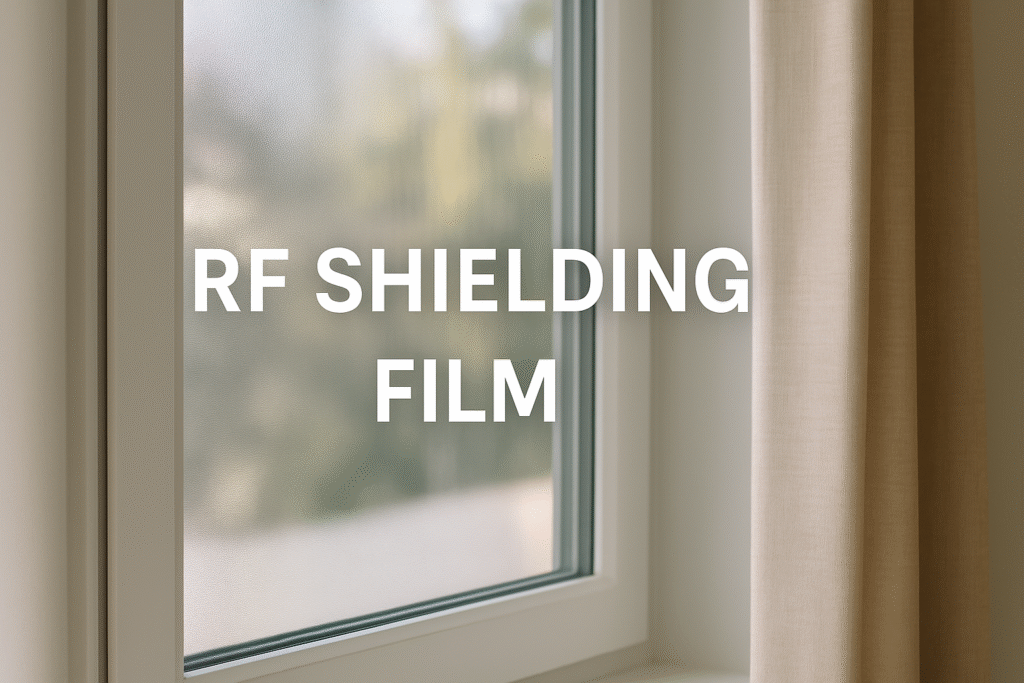
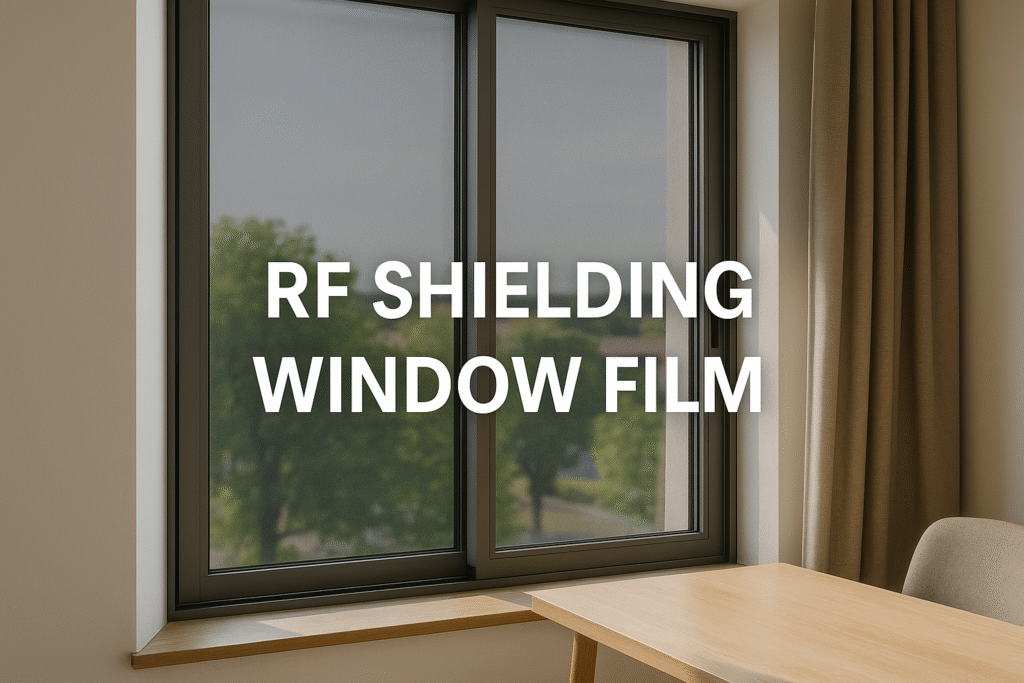
- RF window film
- EMF caulk
- Shielding wallpaper
- Grounding plates
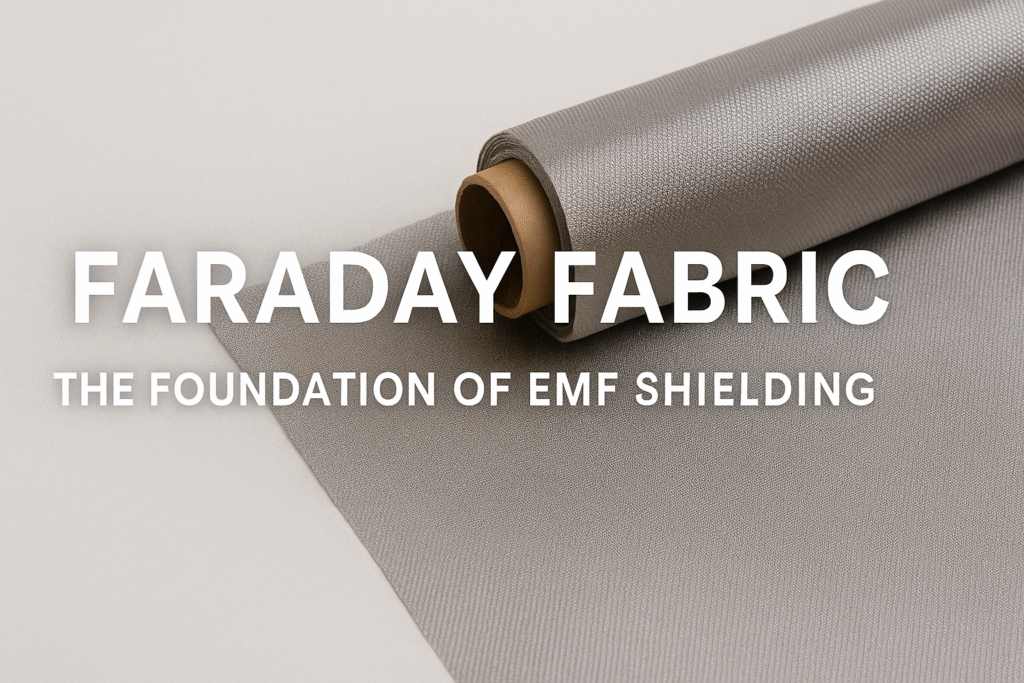
- Fabric or mesh curtains
Builders and renovators prefer this material for its ease of installation and compatibility with standard painting tools.
How Carbon-Based Paint Works
Carbon based paint reduces RF exposure through two primary mechanisms:
1. Absorption of Electromagnetic Energy
The carbon structure converts RF waves into heat (extremely low-level thermal dissipation).
This is the opposite of metallic shielding, which reflects signals.

2. Creation of a Conductive Barrier
Once applied and grounded, carbon based paint forms a continuous conductive surface that limits RF penetration through walls and ceilings.
Because carbon has consistent performance across frequencies, carbon based paint maintains attenuation across low-frequency (LF) and high-frequency (HF) ranges, making it effective for both communication privacy and EMF reduction.

Performance Metrics of Carbon Based Paint
Performance varies by brand, thickness, number of coats, and grounding quality. However, most premium products deliver:
- 30–90 dB attenuation depending on frequency
- 25 dB per layer for higher-end paints
- Coverage of 80–150 sq ft per liter
- Water-based formulas for safe indoor use
- Low VOC content
Two coats is the standard for most applications, especially in bedrooms, offices, or studios where maximum reduction is preferred.
After application, carbon-based paint must be grounded using a grounding plate or copper tape, depending on the brand’s instructions.
Best Use Cases for Carbon Based Paint
Carbon-based paint is highly versatile. It can be added to nearly any environment where privacy or EMF reduction is desired.
Top applications include:
Bedrooms:
For customers seeking a low-exposure sleeping environment or EMF-reduced nursery.
Home offices:
For protecting sensitive equipment, improving work comfort, or preventing RF leakage during professional calls.
Corporate spaces:
Used in secure communications rooms, SCIF-style environments, and locations requiring reduced RF interference.
Laboratories & research facilities:
Ideal for controlling wireless interference in R&D environments.
Recording studios:
Reduces interference that may affect audio equipment.
Multi-unit housing:
Blocks intrusive WiFi and Bluetooth signals from neighboring apartments.
Prepping secure digital privacy rooms:
Often used alongside Faraday fabrics, grounding materials, and RF window film.
Carbon based paint is one of the only shielding materials that blends into normal home construction without altering aesthetics.
How to Install Carbon Based Paint
Installation is straightforward but must follow specific steps for best performance.
1. Prepare the surface
- Clean and dry the wall.
- Repair holes or cracks.
- Remove loose paint or debris.
2. Apply a primer
Most brands require a primer coat for smooth adhesion.
3. Apply the carbon-based paint
- Use a high-quality roller.
- Apply at least two full coats.
- Ensure even coverage.
4. Ground the shielding layer
This step is non-optional.
Without grounding, RF attenuation may be reduced dramatically.
5. Apply a topcoat
You may apply any standard latex paint over the carbon based paint.
Common mistakes to avoid
- Forgetting to ground the wall.
- Using only one coat.
- Painting over unsealed drywall.
- Mixing carbon based paint with standard paint (never do this).
Following proper procedure ensures maximum shielding and compliance with manufacturer specs.
Comparison: Carbon-Based Paint vs Other Shielding Products
Carbon-based paint is incredibly effective, but each product category has strengths depending on the project.
Carbon-based paint vs shielding wallpaper
- Paint offers deeper attenuation.
- Wallpaper is faster to install but more expensive.
- Wallpaper doesn’t require grounding in all cases.
Carbon-based paint vs window film
- Paint cannot be used on glass.
- Window film is required to maintain a sealed room.
Carbon-based paint vs EMF fabrics
- Fabrics are flexible and removable.
- Paint creates permanent, structural-level shielding.
Carbon-based paint vs Faraday mesh
- Mesh increases attenuation but requires drywall finishing.
- Paint is easier for DIY home use.
For most residential installations, carbon-based paint is the foundational shielding layer, with film and fabrics added as needed.
Top Brands of Carbon-Based Paint (2026 Overview)
Below is a breakdown of the most trusted brands used in the EMF-shielding and RF-attenuation industry.
1. Faraday Structures – EMCoat™ Paint System
(Part of your stored EMF Industry Product Specs Library)
Faraday Structures produces a suite of carbon-based products specifically engineered for high-performance RF reduction.
Key features:
- Water-based
- Multiple variants, including EMCoat for Challenging Surfaces
- Compatible with EMShield Wallpaper and EMCaulk
- High attenuation performance with multi-coat systems
Best for:
- Full-room installations
- New construction
- Professional RF isolation
- Residential privacy rooms
This brand is especially popular in technical and government projects due to its consistency and robust grounding system.
2. YShield (Germany)
YShield is one of the most widely used carbon-based paint brands globally.
Key features:
- Up to 90 dB attenuation
- Extremely consistent particle distribution
- Low-odor and low-VOC
- Large 1-liter and 5-liter sizes
Best for:
- Bedrooms
- Apartments
- Recording studios
- Users needing strong performance with simple installation
Used by both DIY installers and professional contractors.
3. Woremor (WM-SP40 / IE50 Series)
Woremor offers several carbon-based shielding paints designed for affordability and accessibility.
Key features:
- 40–50 dB attenuation
- Easy to roll or spray
- Compatible with grounding accessories
Best for:
- Small bedrooms
- Apartments
- Budget-friendly EMF reduction projects
The brand is widely available on Amazon and remains a popular entry-level option.
4. Safe Living Technologies – Shielding Paint
Safe Living Technologies manufactures a carbon-based paint line engineered for EMF protection in residential and commercial settings.
Key features:
- Attenuation up to ~65 dB depending on frequency
- North-American manufacturing
- Works well with their grounding systems and meters
Best for:
- Contractors
- Custom home builds
- Multi-layer RF attenuation systems
5. Mission Darkness (RF & Digital Forensics Specialists)
Although Mission Darkness is best known for Faraday bags, vehicle covers, and enclosures, the brand also distributes RF materials compatible with carbon-based paint systems.
Mission Darkness products often complement paint in secure room construction, such as:
- Faraday panels
- Shielded window films
- EMF accessories
Their solutions are widely used in military, forensics, and law-enforcement environments.
How to Choose the Best Carbon Based Paint
When selecting carbon-based paint, consider the following factors:
1. Required attenuation
More demanding installations may require YShield or Faraday Structures for 70–90 dB performance.
2. Surface type
Some paints perform better on:
- Concrete
- Plaster
- Drywall
- Masonry
- Wood
3. Installation skill level
DIY users often prefer Woremor for ease and affordability.
4. Need for total room sealing
If you’re building a “shielded room,” you also need:
- RF window film
- Shielding caulk
- Grounding hardware
- Shielded fabric curtains
5. Budget considerations
A typical bedroom may require:
- 2–3 liters of paint
- A grounding strip
- A topcoat
- RF window film
Expect $200–$700 depending on the system and brand.
Creating a Shielded Room With Carbon-Based Paint
Below is the typical stack used in residential EMF reduction projects:
- Two coats of carbon-based paint
- Grounding plate attached to electrical ground
- RF window film
- Shielding caulk around outlets
- Optional: shielding wallpaper or mesh
- Topcoat to match décor
When the wall, ceiling, and windows are all treated, you create a measurable reduction in:
- Cellular penetration
- Bluetooth intrusion
- Neighbor WiFi
- Smart meter radiation
- RF leakage
This creates a more controlled electromagnetic environment.
Internal Resource for Readers
For additional product guidance and comparisons, see our full Faraday bag guide:
https://frequencyblockers.com/best-faraday-bags-2026/
Key Takeaways
- Carbon-based paint is one of the most effective ways to reduce RF and EMF penetration in homes.
- It works by absorbing and dissipating electromagnetic energy.
- Most brands achieve 30–90 dB of attenuation.
- Proper installation requires two coats and grounding.
- Brands like YShield, Faraday Structures, Woremor, SLT, and Mission Darkness offer proven products.
- When combined with window film and grounding, carbon-based paint can create a robust shielded environment.
References
- https://www.yshield.com
- https://www.faradaystructures.com
- https://www.woremor.com
- https://www.safelivingtechnologies.com
- https://www.missiondarkness.com
- https://frequencyblockers.com/best-faraday-bags-2026/
Featured Products
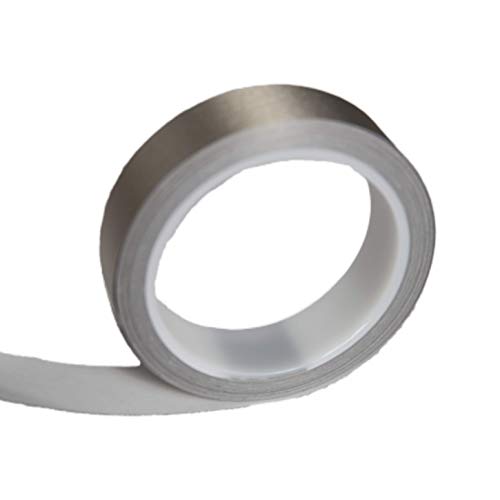
Looking for quality EMF protection? Check out these recommended products:
Frequently Asked Questions
What exactly is carbon based paint and how does it block EMF and RF signals?
Carbon based paint is a conductive coating that creates a barrier against electromagnetic fields and radio frequencies by absorbing electromagnetic energy and forming a protective shield. When applied to walls, ceilings, and other surfaces, it reduces signal penetration from cell towers, WiFi routers, 5G antennas, and other wireless devices, making it an effective solution for creating low-exposure spaces in homes and offices.
How much EMF protection does carbon based paint actually provide?
The level of protection depends on the specific product and application, with performance metrics varying by brand and installation quality. Most high-quality carbon-based paints like EMCoat and YShield offer significant attenuation of RF and EMF signals, but you’ll need to consider factors like required attenuation levels, surface type, and whether you need total room sealing to determine the exact protection for your situation.
Is carbon based paint difficult to install, or can I do it myself?
Carbon-based paint can be installed as a DIY project if you follow proper steps: surface preparation, primer application, paint application, grounding of the shielding layer, and a protective topcoat. However, your installation skill level matters, and common mistakes like improper grounding or incomplete coverage can reduce effectiveness, so consider your experience level and the complexity of your project before deciding.
How does carbon based paint compare to other EMF shielding options like Faraday mesh or window film?
Carbon-based paint offers full wall coverage and integrates seamlessly into room design, while shielding wallpaper and fabrics provide partial coverage, and Faraday mesh requires structural installation. Window film protects specific openings, and each option has different attenuation levels, installation requirements, and costs, so your choice depends on your budget, the areas you need to shield, and your installation capabilities.
These statements have not been evaluated by the Food and Drug Administration. This information is not intended to diagnose, treat, cure, or prevent any disease. Content is for informational purposes only and is not medical advice; consult a qualified healthcare provider before starting any supplement. As an Amazon Associate we earn from qualifying purchases.