
EMF Tip #84: Create a Low-EMF Zone in Your Yard
A yard has its own sources, such as a neighbor’s router or a nearby antenna. Measure to find the lowest area, and put seating and play spaces there.
100 practical tips to reduce EMF radiation exposure in your home and daily life.
A yard has its own sources, such as a neighbor’s router or a nearby antenna. Measure to find the lowest area, and put seating and play spaces there.
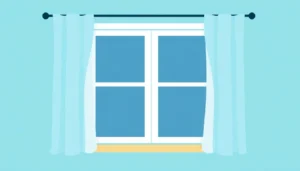
Window glass does almost nothing to stop radio waves, so shielding curtains put a conductive layer over that opening. You can pull them back whenever you like.
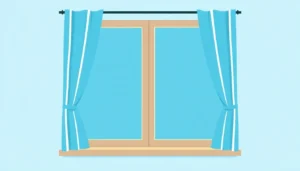
A plain window has no metal studs or mesh, so it is often the easiest route for a signal into a room. Window films reduce what passes, at modest levels.

Grounding, or earthing, means touching the earth or using a grounded conductor indoors so static charge drains away. It concerns electric fields and charge.

Morning light on the eyes helps set the body’s daily rhythm. This is a free habit about light timing, and it has nothing to do with blocking radio signals.

A substation’s transformers carry large currents, and the magnetic fields reach past the fence. Walls do not stop them, so distance is the practical lever.
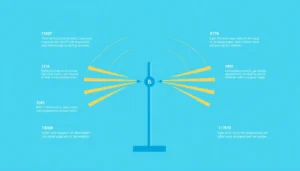
Magnetic fields from high-voltage lines fall off with distance. Living near a line is a weaker marker for field strength than measuring inside your own home.

Tower antennas are aimed outward, so being closer does not always mean a stronger signal. Measured levels near towers are generally low.
A car cabin is a metal box where signals bounce, and phones may run at higher power while moving. Switching off car Bluetooth removes one extra radio.