Pregnancy is a stage when many people want extra caution about EMF, although the evidence on RF and pregnancy outcomes is very uncertain rather than showing harm [2]. Work, stores and public transit all have WiFi and cellular signals that you cannot control, which is the situation a belly blanket is meant for.
Get our complete guide with room-by-room strategies and product recommendations.
What a shielding blanket can and cannot do
A shielding fabric contains conductive threads that reflect or absorb radio signals. That works well on a flat test bench, where a signal arrives from one direction and the fabric sits squarely in its path. A body is not a test bench: signals reach you from several directions, they bend around edges, and they can bounce off nearby surfaces.
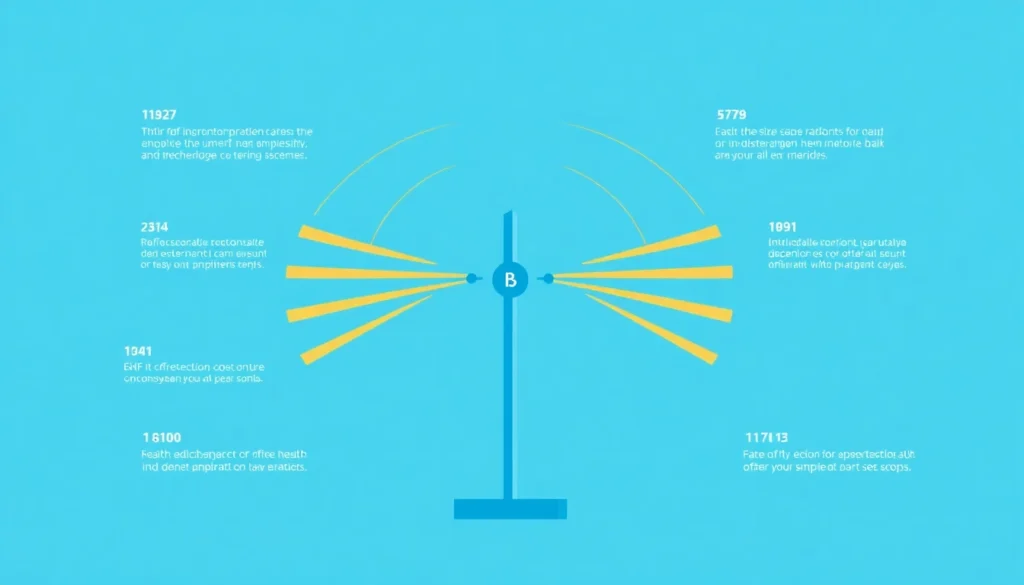
A shielding blanket reflects RF, but only across the area it covers
A conductive layer bounces RF
Metal-coated fabric, foil, mesh and conductive paint reflect most incoming radio-frequency energy.
Some energy is lost inside
Thicker or multi-layer materials also absorb part of the signal as it passes through.
Gaps let signals through
Seams, open weaves, zips and unsealed edges leak, and short wavelengths slip through smaller gaps.
Low-frequency magnetic fields pass
Thin fabric or paint does little against 50/60 Hz magnetic fields; distance or special high-permeability metal is needed.
A blanket cannot cover every direction.
How well a material shields depends on the frequency and on how completely it covers the space.
Chart: frequencyblockers.com: A shielding blanket reflects RF, but only across the area it covers
Embed this chart
Free to reuse on your site. Copy the code below; please keep the credit link.
In a simulation of shielding bands for pregnant bellies, the average field fell by no more than 30 percent even with a gap-free band, and the maximum field rose in more than 90 percent of the scenarios, so a belly blanket should not be assumed to keep RF away from the womb [1].
Put plainly, a blanket is a partial measure at best. It covers only the area it covers, it does nothing about the phone in your own hand or pocket, and it can behave differently from what the label suggests.
Research note: A Danish cohort found no association between prenatal cell phone use and motor or cognitive/language developmental delays in infants at 6 and 18 months, even in dose-response checks [5].
Using one sensibly in busy places
- Drape it over your lap and abdomen while seated on a train, in a waiting room or at a desk, and cover the whole area with no gaps at the sides.
- Keep your phone off your lap. Distance from the phone is a far bigger lever than any fabric, so set it on a table or in a bag rather than against your abdomen.
- Switch the phone to airplane mode when you do not need a signal. This removes the source instead of trying to block it, and the comparison of Faraday bags and airplane mode explains where each approach fits.
- Sit away from routers, ceiling access points and the wall where the cell signal comes in when you have a choice of seat.
Belly Armor Blanket
A shielding blanket to drape over the bump while sitting with a laptop or tablet. Keeping the device on a table rather than the lap does more.
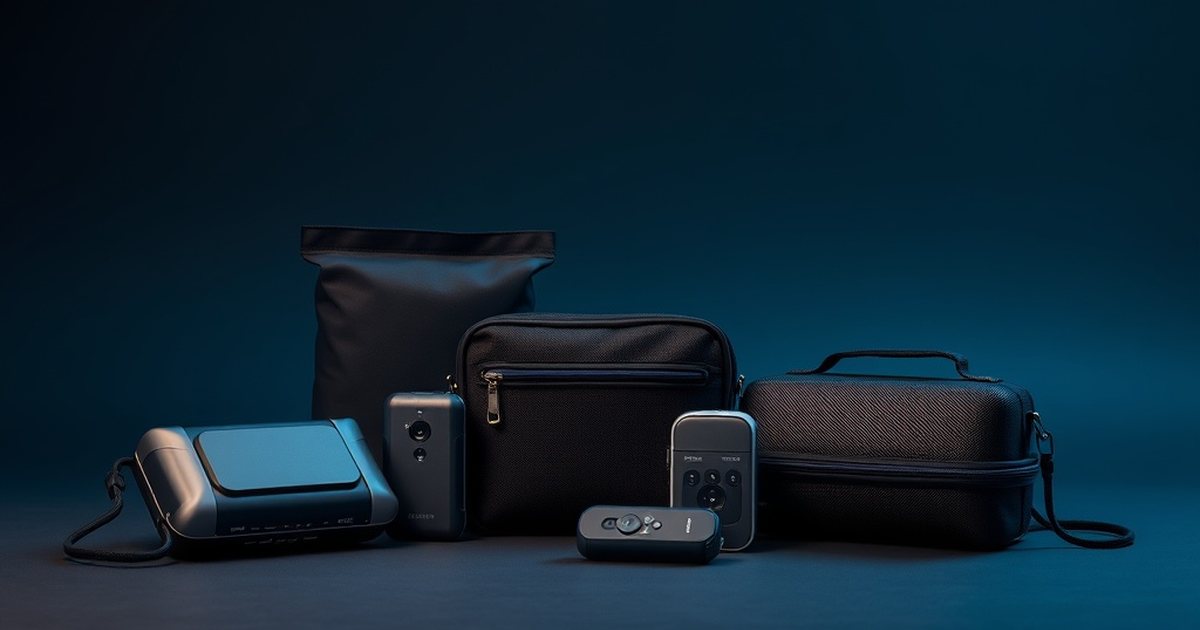
View ProductMany of these blankets are made to look like ordinary throws, which makes them easy to carry. That convenience is the real selling point. It does not change how much of the signal the fabric stops.
How to test a blanket yourself
An RF meter is the right tool, because the fabric is meant to affect radio signals. Hold the meter near a known source such as a router and note the reading. Then wrap the meter inside the blanket and compare. Repeat with the blanket opened and with the meter pointed toward different walls.
If the reading barely drops, or rises when the fabric is folded around the meter, the blanket is not doing much for that source. A meter shows relative change, not a safety verdict, so use it to compare setups rather than to decide whether a place is acceptable.
Where the research stands
The 2011 IARC rating of radiofrequency fields rested on limited human evidence, and for pregnancy the picture is unsettled rather than alarming. A WHO-commissioned meta-analysis rated the evidence on mobile phone RF and pregnancy outcomes as very uncertain, and a Dutch birth cohort with teacher-reported behaviour found no clear sign that maternal phone use in pregnancy increases behaviour problems in young children [4][2][3].
In that simulation a shielding band did not lower the peak field at the belly at all [1]. Given that, the most dependable steps are the simple ones: keep the phone away from your body and turn off radios you are not using.
Ready for More EMF Protection Tips?
Our complete guide includes 100 actionable strategies for every room in your home, plus product recommendations from our curated collection.
Get the Complete GuideFrequently Asked Questions
Is EMF exposure really dangerous during pregnancy?
Pregnancy is a stage when many people want extra caution, but the evidence is thin: a WHO-commissioned meta-analysis rated the evidence on mobile phone RF and pregnancy outcomes as very uncertain, and a Dutch birth cohort of 2618 children found no clear sign that maternal phone use in pregnancy increases behaviour problems. [2][3] While you can’t control all environments like workplaces and public transit with WiFi and cellular radiation, using protective tools like an EMF belly blanket can help reduce your direct exposure during this critical time.
How does an EMF belly blanket work to protect my baby?
An EMF belly blanket is made from RF-shielding fabric, but in a simulation of shielding bands for pregnant bellies the average field fell by no more than 30 percent and the maximum field rose in more than 90 percent of scenarios, so it is not a reliable barrier between the fetus and WiFi, cell towers or wireless devices. [1] By implementing the SHIELD principle of EMF protection, it addresses the root cause of exposure rather than simply treating symptoms after the fact.
Can I protect myself from EMF in places like work and public transit?
While you can’t control the WiFi and cellular radiation in shared environments, you can use targeted shielding solutions like Faraday bags and protective blankets to reduce your personal exposure. For pregnant individuals specifically, tools like EMF belly blankets provide localized protection in areas where you spend significant time.

What’s the difference between natural and artificial EMF exposure?
Natural EMFs from the earth and sun have always existed in our environment, but artificial EMFs from modern devices and infrastructure have increased exponentially in recent decades. Understanding this distinction is the first step toward implementing meaningful protection strategies, especially for vulnerable populations like pregnant individuals and their developing fetuses.
References
- Fatemeh Dehrouyeh et al. On the Shielding Effectiveness of Anti-Electromagnetic-Radiation Clothes for Pregnant Females. (2023). doi:10.36227/techrxiv.22890860.v1
- Johnson EE et al. The effects of radiofrequency exposure on adverse female reproductive outcomes: A systematic review of human observational studies with dose-response meta-analysis. Environment international (2024). PMID 38880062
- Guxens M et al. Maternal cell phone and cordless phone use during pregnancy and behaviour problems in 5-year-old children. Journal of epidemiology and community health (2013). PMID 23386674
- Mireille B. Toledano et al. Cohort profile: UK COSMOS, a UK cohort for study of environment and health. International Journal of Epidemiology (2015). PMID 26534947
- Divan HA et al. Prenatal cell phone use and developmental milestone delays among infants. Scandinavian journal of work, environment & health (2011). PMID 21403981
These statements have not been evaluated by the Food and Drug Administration. This information is not intended to diagnose, treat, cure, or prevent any disease. Content is for informational purposes only and is not medical advice; consult a qualified healthcare provider before starting any supplement. As an Amazon Associate we earn from qualifying purchases.