If you have traveled internationally in the last decade, you have probably seen RFID blocking wallets and passport holders marketed as essential travel gear. The pitch is alarming: criminals armed with portable scanners can wirelessly steal your credit card numbers, passport data, and personal identity just by walking past you in a crowded airport or subway.
But how real is this threat? And does an RFID blocking wallet actually protect you from anything, or is it a solution looking for a problem?
This guide breaks down what RFID skimming actually is, what the evidence says about the real-world risk, how blocking materials work, and what products are worth considering if you decide the added layer of protection is right for you.
What Is RFID Skimming?
RFID stands for Radio-Frequency Identification. It is the technology behind contactless (“tap to pay”) credit and debit cards, electronic passports (ePassports), many hotel keycards, and transit passes. These items contain a small chip and antenna that transmit data wirelessly when brought close to a compatible reader.
RFID skimming refers to the idea that a criminal could carry a concealed reader, get close enough to your wallet or pocket, and wirelessly capture the data from your cards or passport chip without your knowledge. In theory, this data could then be used for fraudulent transactions or identity theft.
The fear is understandable. Security researchers have demonstrated in controlled lab environments that contactless card data can be read wirelessly. Conference presentations and YouTube videos have shown proof-of-concept attacks that grab card numbers from a few inches away. These demonstrations are real, and they make for compelling content.
But there is a significant gap between what is possible in a lab and what actually happens on the street.
How Real Is the RFID Skimming Threat? An Honest Assessment
This is where we need to be straightforward: the real-world risk of RFID skimming is extremely low. Not zero, but far lower than the marketing around RFID blocking products suggests.
Contactless Credit and Debit Cards
According to UK Finance’s Annual Fraud Report 2025, contactless fraud represented only seven percent of all face-to-face card fraud losses in the UK during 2024. More importantly, UK Finance confirmed that there have been zero verified reports of criminals successfully stealing money from someone’s contactless card by bumping into them in public. No verified incidents of contactless fraud have been recorded on cards still in the owner’s possession in the UK.
Several technical factors make walk-by skimming impractical for criminals:
- Extremely short read range. Contactless cards require 1 to 4 inches of proximity to a reader. Getting that close to someone’s back pocket unnoticed, while holding a reader at exactly the right angle, is far harder than it sounds.
- Dynamic encryption. Modern contactless cards issued since roughly 2018 use dynamic transaction codes that change with every tap. Even if a criminal captured the data from one transaction, it cannot be reused because the code expires within seconds.
- Transaction limits. Most countries impose per-transaction limits on contactless payments (typically $50 to $250 depending on the bank and country), and banks flag unusual patterns immediately.
- Partial data transmission. Modern contactless cards do not transmit your full card number during a tap. A skimmer would not get enough information to clone the card or make online purchases.
For context, you are statistically far more likely to have card data stolen through a data breach, phishing email, or a physical skimmer attached to a gas pump or ATM than through wireless RFID theft in a crowd.
Passports with RFID Chips
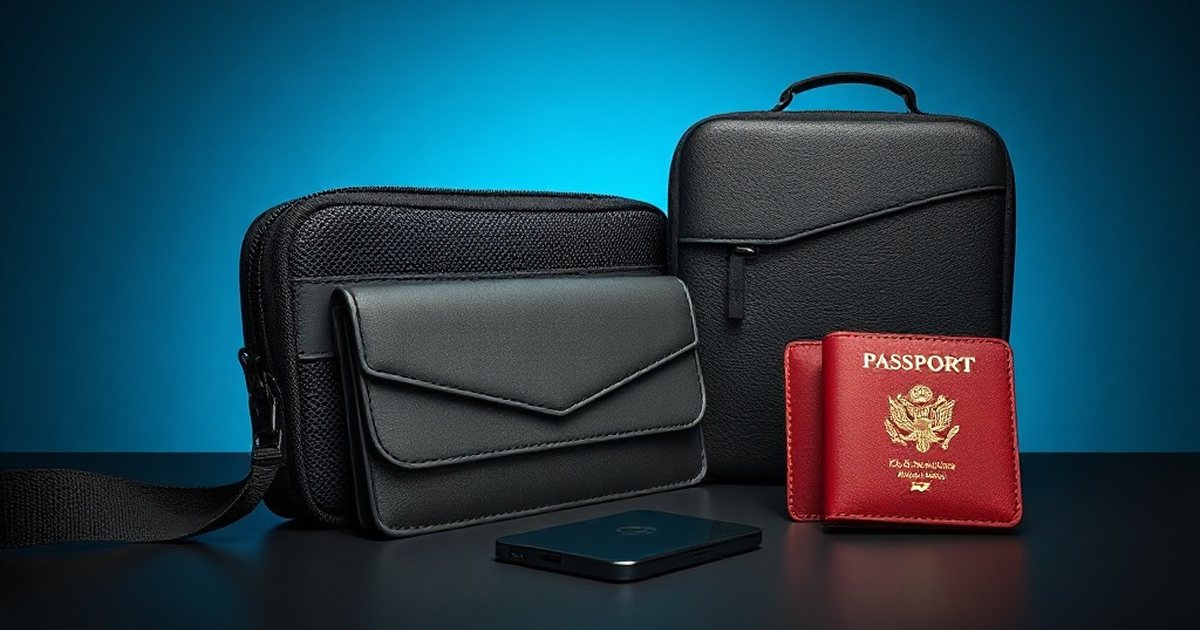
Electronic passports tell a slightly different story. Every ePassport issued since roughly 2007 contains a contactless chip storing the holder’s name, date of birth, nationality, a digital photograph, and in some cases biometric data like fingerprints. This is personal data worth protecting, even if the attack scenario is unlikely.
However, passport chips are not unprotected. Most ePassports use a security protocol called Basic Access Control (BAC), first introduced in German passports in 2005 and now standard across most countries. BAC requires a reader to first optically scan the Machine Readable Zone (MRZ), the two lines of text printed at the bottom of your passport’s data page, before the chip will unlock its data. This means a criminal cannot wirelessly read your passport chip without first physically opening your passport and scanning the printed text.
Beyond BAC, many passport covers include a metallic lining that acts as built-in RF shielding, blocking signals when the passport is closed. Extended Access Control (EAC) adds another layer for sensitive biometric data, and Active Authentication prevents chip cloning.
The realistic risk with passports is narrow: someone would need your passport to be physically open and unprotected, while being within a few inches with the right equipment. It is not impossible, but it is not the casual walk-by theft that marketing materials imply.
How RFID Blocking Material Works
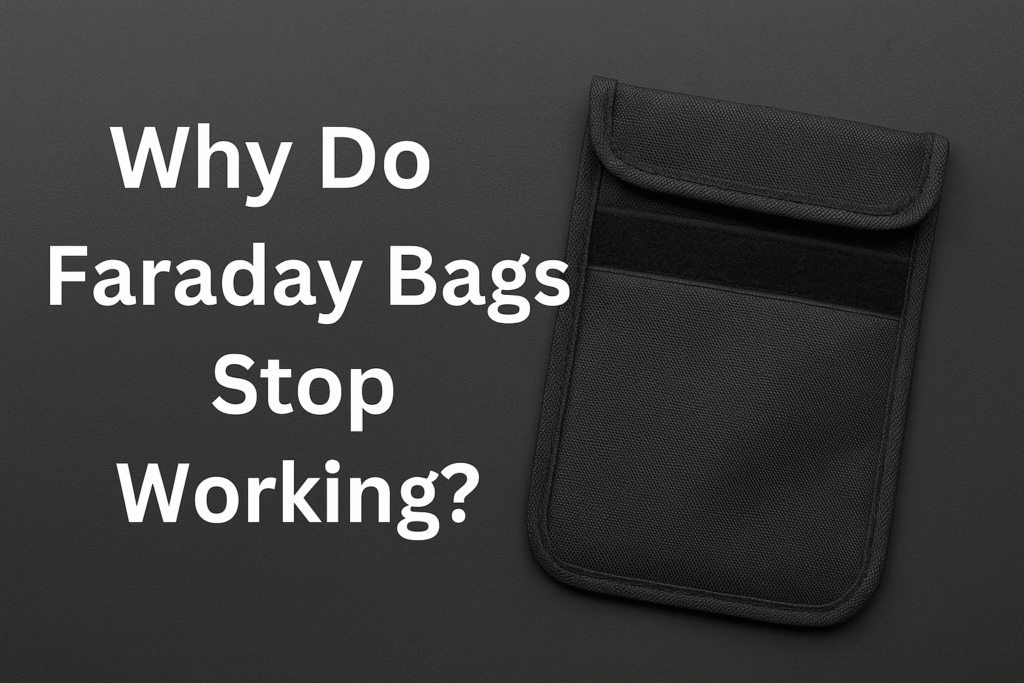
RFID blocking products use the same fundamental principle as all electromagnetic shielding: the Faraday cage. Named after physicist Michael Faraday, a Faraday cage is an enclosure made of conductive material that blocks external electromagnetic fields from reaching anything inside it.
If you are familiar with other shielding products (signal-blocking phone pouches, shielded laptop bags, RF-blocking fabric), the concept is identical. A thin layer of conductive material, typically a metallic mesh or foil embedded in fabric, creates a barrier that prevents the 13.56 MHz radio signals used by RFID readers from reaching the chip in your card or passport.
When a contactless card or passport chip is inside an RFID blocking wallet or sleeve, the reader’s electromagnetic field cannot energize the chip, so the chip never activates and no data is transmitted. The card is effectively invisible to any scanner.
This is straightforward physics and it genuinely works. Independent testing from organizations and labs has confirmed that quality RFID blocking materials reduce signal transmission by over 99% at the relevant frequencies. The question is not whether the technology works. It does. The question is whether you need it.
Product Categories: What Is Available
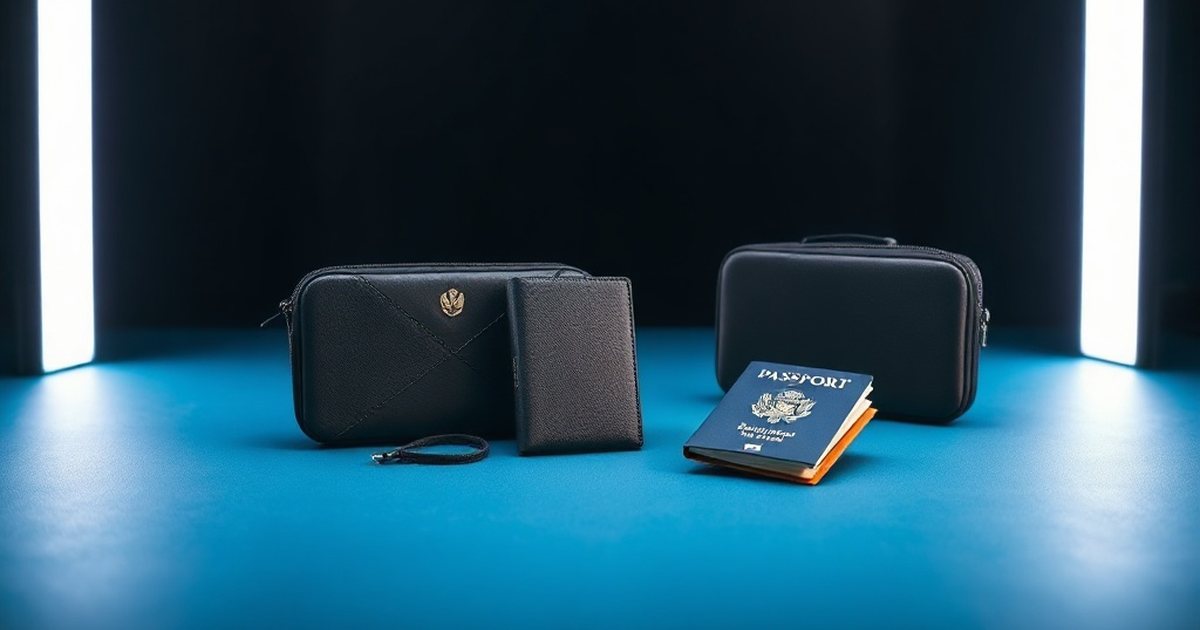
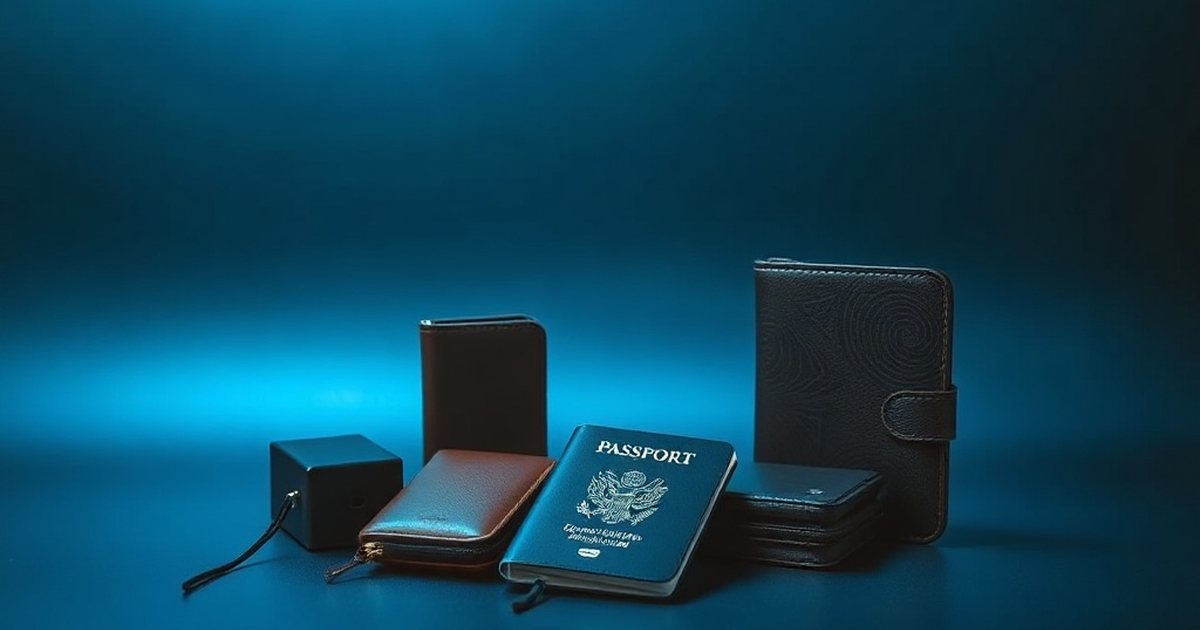
RFID blocking travel products fall into four main categories, each suited to different preferences and travel styles.
RFID Blocking Wallets
These are everyday wallets with RFID shielding built into the lining. They look and function like a normal wallet, but include a layer of metallic material around the card slots.
Travelambo is one of the most popular options in this category, offering slim front-pocket wallets made from genuine leather with a silver-embroidered RFID blocking lining. Their minimalist wallet measures just 3.1 by 4.4 inches with six card slots and weighs under an ounce. Travelambo wallets block signals at 13.56 MHz, covering standard contactless cards and passports.
Ogon Designs takes a completely different approach. This French brand, which claims to have been the first company to offer an RFID blocking wallet, uses aluminum and carbon fiber hard cases that function as complete Faraday cages. Their Stockholm, Oslo, and Cascade models are machined metal enclosures rather than fabric-lined wallets. The Ogon Slider holds up to six cards in an aluminum shell that blocks both RFID and NFC signals, while the 3C Carbon Fiber Card Clip weighs just 15 grams and is only 8mm thick.
RFID Blocking Passport Holders
Dedicated passport holders combine RFID shielding with document organization. These are designed for travelers who want a single case for their passport, boarding pass, cards, and travel documents.
Zoppen is a well-known name here. Their Ver.5 Travel Wallet includes a detachable wristlet strap, six card slots, a SIM card slot, boarding pass pocket, pen holder, key ring, passport pocket, zipper pocket for coins, and a cash pouch, all with RFID blocking at 13.56 MHz. The exterior is made from polyurethane and faux suede. Their Ver.4 model is similarly organized with a tri-fold design.
The Spigen Passport Card Cover Wallet offers a more minimalist alternative with a vegan faux leather exterior, a secure locking mechanism, and multiple compartments including four card slots, a boarding pass holder, pen loop, and SIM card storage.

RFID Blocking Sleeves
Sleeves are the simplest and cheapest option. These are thin, metallic-lined envelopes that you slide individual cards or your passport into before placing them in your regular wallet or bag.
The Alpha Keeper RFID Sleeve Set includes dedicated passport sleeves with lab-tested blocking material that reduces signal transmission by over 99%. Boxiki Travel offers a multi-sleeve set with thin, water-resistant, tear-resistant sleeves that are color-coded so you can quickly find the right card. VULKIT sells multi-packs with eight credit card sleeves and two passport holders, each sleeve weighing just 3 grams.
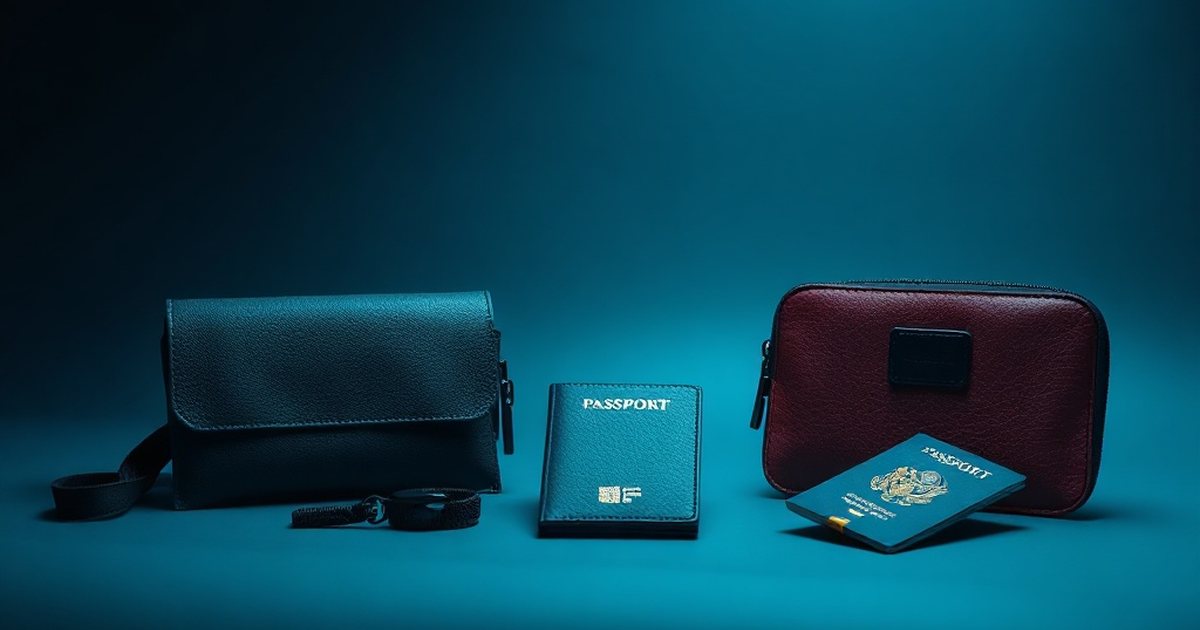
Sleeves typically cost between $5 and $15 for a set. They work well as an add-on if you already have a wallet you like and do not want to replace it.
Travel Document Organizers with RFID Lining
For travelers who want everything in one place, full-size travel organizers combine RFID protection with space for multiple passports, boarding passes, itineraries, currency, and a phone. The HERO Neck Wallet is a popular hands-free option made from ripstop nylon with multiple zippered compartments, RFID blocking, and a lanyard design that keeps your documents close to your body in crowded spaces.
These organizers are practical for international travel with families, where you might be carrying multiple passports and sets of documents through security checkpoints.
What to Look for When Buying
Not all RFID blocking products are created equal. Some are marketed as RFID blocking but use materials too thin or poorly constructed to actually block signals reliably. Here is what to check:
- Verified blocking frequency. The product should explicitly state it blocks 13.56 MHz signals. This is the frequency used by contactless payment cards and ePassport chips. Products that do not specify a frequency may not be tested at all.
- Independent testing. Look for products that reference third-party or lab testing rather than just a marketing claim. Brands like Alpha Keeper publish their test results.
- Complete enclosure. The shielding material needs to surround the card or passport on all sides. A wallet with blocking material only on one side provides incomplete protection since signals can reach the chip from the unshielded direction.
- Material quality. Metallic woven fabrics and aluminum enclosures (like those from Ogon Designs) provide strong, durable shielding. Very cheap products sometimes use a thin metallic coating that degrades with use.
- Practical design. A wallet or holder that is uncomfortable, bulky, or inconvenient to use will end up in a drawer. The best RFID blocking product is one you actually carry every day.
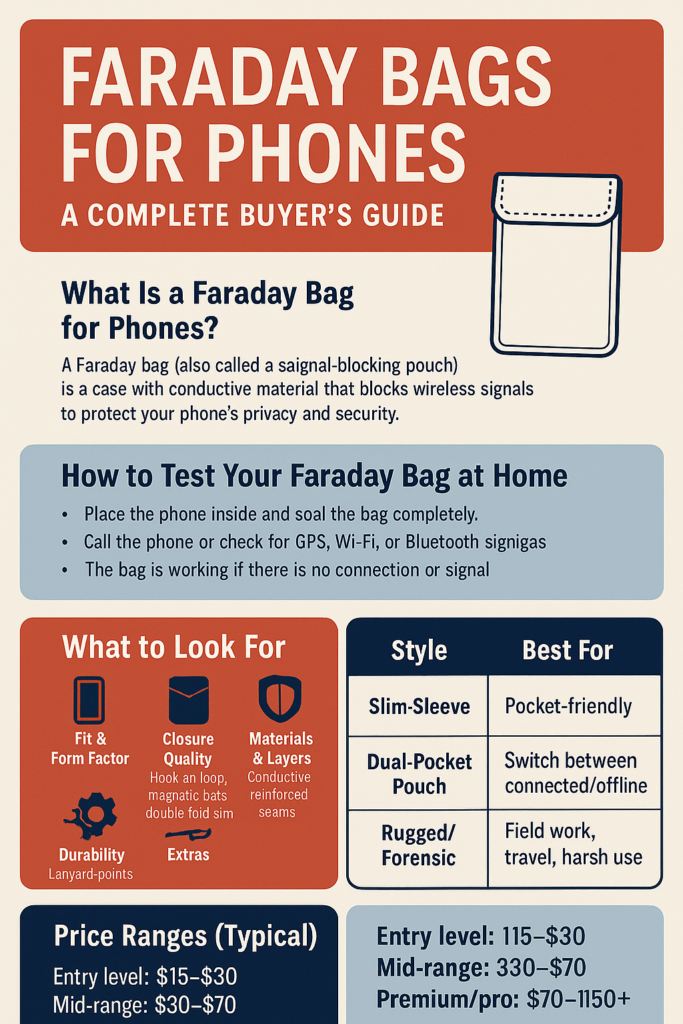
One simple test you can do at home: place your contactless card inside the wallet or sleeve, then try to tap-to-pay at a terminal. If the payment fails with the card inside the blocking product but succeeds when you remove it, the shielding is working.
Do You Actually Need One?
Here is the honest bottom line: RFID skimming is a real technology, but it is not a significant real-world threat for most travelers. Security researchers, fraud investigators, and industry groups consistently describe walk-by RFID theft as technically possible but practically nonexistent in crime statistics. The protections already built into modern contactless cards and ePassports are robust.
That said, there are reasonable arguments for owning an RFID blocking wallet or passport holder:
- Low cost for peace of mind. An RFID blocking wallet or sleeve set costs roughly the same as a regular one. If you are already buying a new travel wallet, choosing one with RFID protection adds negligible cost.
- Defense in depth. The same principle applies here as in cybersecurity: layered protection. Even if the risk is low, adding a physical barrier costs you nothing in convenience and closes a theoretical vulnerability.
- Older cards and documents. If you carry older contactless cards issued before dynamic encryption became standard, or travel documents from countries with weaker chip security protocols, the shielding provides more meaningful protection.
- High-risk environments. If you work in sensitive industries, travel to locations with elevated electronic crime, or carry government-issued credentials beyond a standard passport, RFID shielding is a sensible precaution.
- Privacy preference. Some people simply prefer that their documents are not broadcasting any data, even if the broadcast requires close proximity and the data is encrypted. That is a valid personal choice.
What you should not do is pay a large premium purely for RFID blocking, or assume that an RFID blocking wallet is the primary line of defense for your financial security while traveling. The far bigger threats remain phishing, online data breaches, physical pickpocketing, ATM and gas pump skimmers, and unsecured public Wi-Fi networks. An RFID blocking wallet does nothing against any of those.
Think of an RFID blocking wallet the way you think of a screen protector on your phone. The risk of the specific damage it prevents is modest. The cost is minimal. And you are probably buying a case (or wallet) anyway, so you might as well get one that includes the feature.

Frequently Asked Questions
Can someone really steal my credit card information by walking past me?
In theory, a contactless card reader can pick up data from a few inches away. In practice, documented cases of this actually happening are essentially nonexistent. Modern contactless cards use dynamic encryption that generates one-time transaction codes, so even captured data cannot be reused. UK Finance has reported zero verified cases of criminals stealing money from contactless cards still in the owner’s possession through wireless skimming.
Does my passport broadcast personal data all the time?
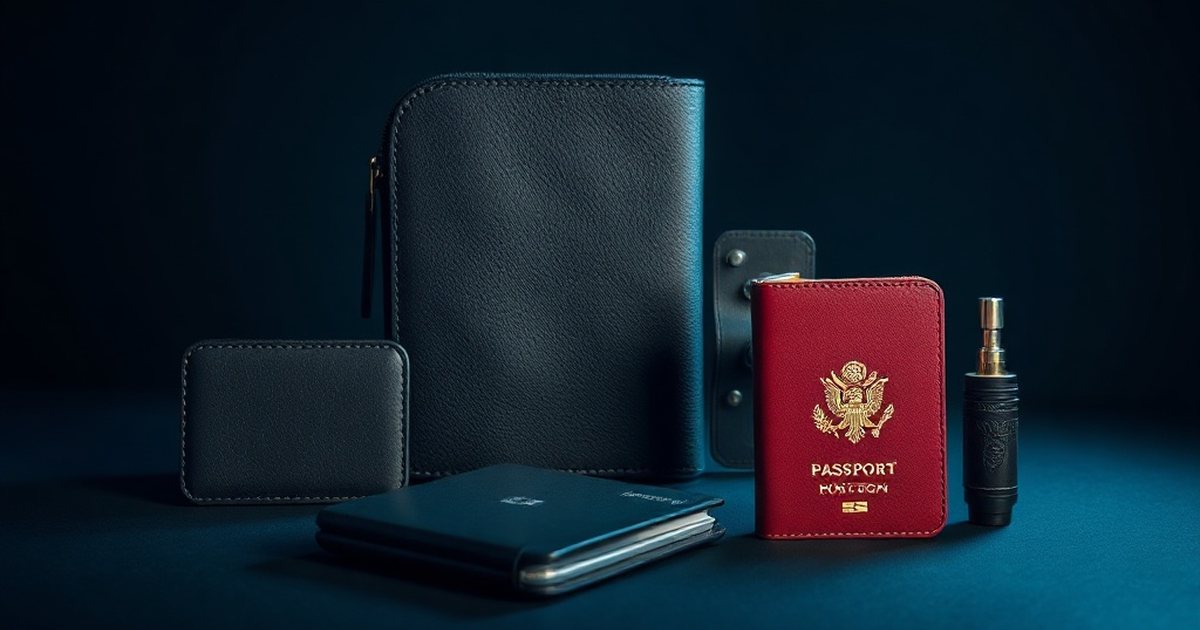
No. Your ePassport chip is passive, meaning it only activates when a reader is within a few inches and provides power to the chip through its electromagnetic field. It does not broadcast continuously. Additionally, most ePassports use Basic Access Control (BAC), which requires the reader to first optically scan the printed Machine Readable Zone on the data page before the chip will release its data. Many passport covers also include built-in metallic shielding that blocks signals when the passport is closed.
Do RFID blocking wallets actually work?
Yes, quality RFID blocking products genuinely block the 13.56 MHz radio signals used by contactless cards and passport chips. They use conductive materials that create a Faraday cage around your documents. Independent lab testing has confirmed that properly constructed RFID blocking materials reduce signal transmission by over 99%. You can verify this yourself by trying to tap-to-pay with your card inside the wallet. If the payment fails, the blocking is working.
Is aluminum foil just as effective as an RFID blocking wallet?
Technically, yes. Wrapping a card or passport in a few layers of standard aluminum foil will block RFID signals effectively. It works on the same Faraday cage principle. The practical downsides are obvious: foil tears, crinkles, looks unprofessional, and needs frequent replacement. RFID blocking wallets and sleeves use the same principle with materials designed to be durable, organized, and convenient for daily use.
What frequency should an RFID blocking product cover?
Look for products that block 13.56 MHz. This is the standard frequency used by contactless payment cards (NFC), ePassport chips, and most access badges. Some RFID systems operate at 125 kHz (older proximity cards and some building access systems), but 13.56 MHz covers the items most travelers carry. A product that does not specify any frequency may not have been properly tested.

Will an RFID blocking wallet interfere with my phone or hotel keycard?
Only if you put the phone or keycard inside the blocking compartment. RFID blocking materials work by creating a shielded enclosure. Items outside that enclosure are unaffected. Your phone will work normally in your pocket even with an RFID blocking wallet next to it. Just be aware that if your hotel uses an RFID keycard and you store it in a blocked compartment, you will need to remove it before tapping the door lock.
Are some countries higher risk for RFID skimming than others?
There is no reliable data showing that any specific country has a meaningful rate of RFID skimming crime. The threat is largely theoretical worldwide. More sophisticated NFC relay attacks have been documented in parts of Europe, but these target mobile banking apps rather than physical cards in wallets. The countries where you should be most cautious about electronic theft are the same ones where traditional pickpocketing and card skimming at ATMs are prevalent, and in those places, physical security awareness matters more than RFID blocking.
Should I get an RFID blocking wallet or just use individual sleeves?
It depends on your preference. Sleeves are cheaper (a set of 10 typically costs $5 to $15) and work with any wallet you already own. An RFID blocking wallet is more convenient since you do not have to slide cards in and out of sleeves, but costs more. If you are buying a new wallet anyway, one with built-in RFID blocking is the simplest approach. If you like your current wallet, a sleeve set is the most affordable way to add protection without changing your setup.
The Bottom Line
RFID skimming is a real technology that works in controlled demonstrations, but the evidence strongly suggests it is not a meaningful source of real-world theft. Modern contactless cards and ePassports have multiple layers of built-in protection, from dynamic encryption to Basic Access Control, that make casual walk-by skimming impractical for criminals who have far easier ways to steal financial data.
That does not mean RFID blocking products are useless. It means they are inexpensive insurance against a low-probability threat. If you are buying a travel wallet or passport holder anyway, choosing one with RFID blocking from a brand like Travelambo, Zoppen, or Ogon Designs adds a genuine layer of protection at little to no extra cost. For travelers who prefer a minimalist approach, a set of RFID blocking sleeves from Alpha Keeper or Boxiki Travel does the same job for a few dollars.
Focus your real security attention on the threats that actually cause widespread financial harm: strong unique passwords, two-factor authentication on financial accounts, bank transaction alerts, awareness of phishing attempts, and keeping an eye on your physical belongings in crowded places. An RFID blocking wallet is a reasonable addition to that list, not a replacement for any of it.
These statements have not been evaluated by the Food and Drug Administration. This information is not intended to diagnose, treat, cure, or prevent any disease. Content is for informational purposes only and is not medical advice; consult a qualified healthcare provider before starting any supplement. As an Amazon Associate we earn from qualifying purchases.