Smart meters have replaced traditional analog utility meters in most American homes over the past decade. These digital meters communicate wirelessly with the utility company, eliminating the need for manual meter readings. They operate on radio frequencies, typically in the 902 to 928 MHz band, transmitting short bursts of data about your electricity usage throughout the day.
Some homeowners prefer to reduce their exposure to the RF signals these meters produce. Others simply want more control over what technology is attached to their home. Whatever your reason, you have two practical paths: shielding the smart meter to reduce RF emissions entering your living space, or opting out of the smart meter program entirely and requesting an analog replacement. This guide covers both approaches with real product comparisons, verified opt-out processes, and an honest look at the tradeoffs involved.
How Smart Meters Transmit RF Signals
Before evaluating shielding options, it helps to understand what a smart meter actually does with RF energy. Smart meters do not broadcast continuously. They transmit in short, intermittent bursts, typically lasting just a few milliseconds each. The meter wakes up, sends a packet of usage data to the utility’s mesh network or collector, and goes quiet again.
A peer-reviewed study published in the Journal of Exposure Science and Environmental Epidemiology (Tell et al., 2013) analyzed transmit data from over 88,000 PG&E smart meters in northern California. The researchers found that 99.9% of those meters operated with a duty cycle of 1.12% or less during the sampling period. In plain terms, the meters were actively transmitting for roughly 1% of the time or less.
The same study measured peak RF fields at 0.3 meters (about one foot) in front of the meters and found levels no higher than 15% of the FCC’s general public exposure limit. Inside six homes equipped with smart meters, no measurement exceeded 1% of the FCC limit. A separate 2014 EPRI technical report examining smart meters deployed by CPS Energy in San Antonio, Texas found similar results, with typical operating conditions producing less than 1% of the FCC maximum permissible exposure.
For context, a Wi-Fi router in your home typically operates at a higher duty cycle and sits much closer to you for longer periods than a smart meter mounted outside on a wall. That said, some homeowners have meters mounted on bedroom walls or in locations where the meter is inches from occupied living space, which changes the exposure picture. Wall construction materials also matter: wood-frame walls attenuate significantly less RF than brick or stucco. If your meter sits on a thin wall adjacent to a bedroom or nursery, reducing that exposure may be a reasonable precaution even with the relatively low duty cycles involved.
Two Paths: Shielding vs. Opting Out
If you want to reduce smart meter RF exposure, your two main options are:
Path A: Shield the existing smart meter. Install a physical cover over the meter (exterior) or shielding material on the interior wall behind it. The smart meter stays in place and continues functioning, but the RF energy reaching your living space drops significantly.
Path B: Opt out of the smart meter entirely. Contact your utility company and request removal of the smart meter and replacement with an analog (electromechanical) meter or a non-communicating digital meter. This eliminates the RF transmissions but typically involves fees and a manual meter-reading arrangement.
Some homeowners combine both approaches during the opt-out waiting period, or use shielding as a permanent solution when their utility does not offer an opt-out program.
Best Smart Meter EMF Shield Covers
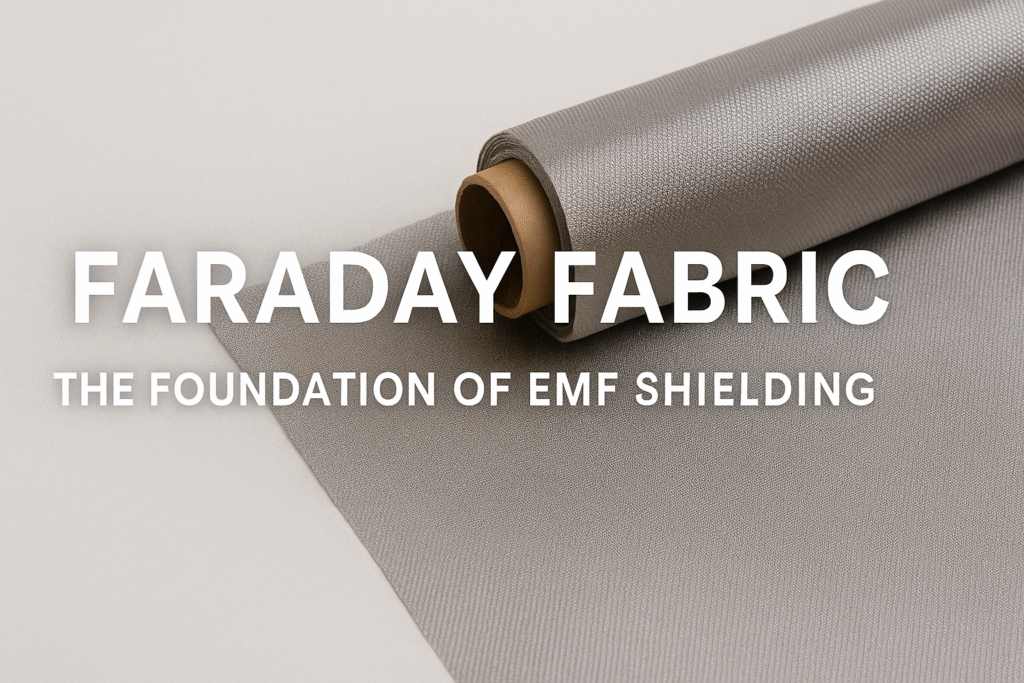
Smart meter shields work on the Faraday cage principle: a conductive mesh or enclosure around the meter attenuates the RF signal passing through it. The mesh blocks a portion of the outgoing RF energy while still allowing enough signal for the utility to collect readings. Here are the most established products on the market.
Smart Meter Guard (Exterior Cover)
Smart Meter Guard is one of the original smart meter shielding products, on the market since 2012. The cover is precision-constructed from 316 stainless steel mesh, manufactured in California. It measures 7.25 inches in diameter by 4.5 inches tall, designed to slip over most standard smart meters used in the United States and Canada.
The company claims independent testing shows the guard blocks approximately 98% of the RF emissions from the meter. Installation requires no tools or drilling. You place the guard over the smart meter dome and it seats against the metal ring at the base. The 316 stainless steel grade provides strong corrosion resistance, making it suitable for outdoor exposure in all climates. The product retails for around $73.
Pros: Easy installation, durable weather-resistant material, no modification to the meter or wall, widely available on Amazon and direct.
Cons: Only blocks RF radiating outward from the meter face. RF still enters through the wall penetration where the meter base connects. Some utilities may object to covers placed over their equipment (more on this below).
OMPERIO Smart Meter Cover (Exterior Cover)
The OMPERIO cover is a similar exterior Faraday cage design, also built from 316 stainless steel. It uses a combination of welded sheet and mesh construction. The product is designed and sold by a U.S.-based family brand and is available on Amazon. Performance claims are comparable to the Smart Meter Guard, targeting RF reduction in the 90%+ range.
Like most exterior covers, installation is straightforward and tool-free. The main differentiator from the Smart Meter Guard is construction method (welded joints vs. formed mesh), but the functional principle is identical.
LessEMF Smart Meter Shield Kit (Interior Wall Shield)
LessEMF takes a different approach. Rather than covering the exterior of the meter, their Smart Meter Shield Kit mounts on the interior wall behind the meter. The kit includes an RF reflector layer, absorber material, mounting tape, and a ground cord. The coverage area measures approximately 7 by 7 feet, which is large enough to shield the wall area around most meter installations.
The dual-layer design is intentional: the reflector bounces RF energy back toward the exterior, while the absorber layer prevents that reflected energy from bouncing around inside your wall cavity. LessEMF’s shielding materials are lab tested by Keystone Compliance, an accredited testing facility.
At roughly $350, this is a significantly more expensive option than a simple exterior cover. But it has one major advantage: it does not touch the utility’s equipment. You are modifying your own interior wall, not placing anything on or over the meter. This avoids any potential utility objections entirely.
Pros: No contact with utility equipment, addresses RF penetrating through the wall, large coverage area, lab-tested materials.
Cons: Higher price, requires some DIY installation work, may require cosmetic finishing (paint or wallpaper over the material).
SYB Poster Frame Liner (Interior Shield)
Shield Your Body (SYB) offers a more discreet interior option: a shielding liner that sits behind a poster, print, or photograph in a standard picture frame. The liner uses SYB’s proprietary SaferBody Nickel Sheen material, which is lab tested for frequencies up to 40 GHz and claims to block up to 99% of RF radiation.
The concept is simple. You hang a framed piece of art on the interior wall opposite your smart meter, with the shielding liner tucked behind the visible artwork. The result is an RF barrier that looks like normal wall decor. SYB also sells Flex Shields, which are 6-by-6-inch peel-and-stick shielding patches that can be applied directly to walls, desks, or other surfaces for smaller coverage areas.
Pros: Invisible when installed, no contact with utility equipment, independently tested in FCC-accredited labs.
Cons: Limited coverage area compared to the LessEMF kit, effectiveness depends on correct positioning between the meter and occupied space.
Utility Compliance Considerations
Before installing any exterior smart meter cover, be aware that some utility companies consider the meter and its surrounding equipment to be their property. Placing a cover over it may technically violate your service agreement. In practice, enforcement varies widely. Many utilities tolerate covers that do not interfere with signal transmission or meter access. However, if a utility worker needs to access the meter for maintenance or replacement, they may remove your cover without notice.
Interior wall shielding avoids this issue entirely because you are modifying your own property, not the utility’s equipment. If you are uncertain about your utility’s policy, call their customer service line and ask before installing an exterior cover.
How to Opt Out of a Smart Meter
If you prefer to eliminate the RF transmissions entirely rather than shield them, many utilities offer a formal opt-out process. Here is the general procedure, though specifics vary significantly by state and utility provider.
Step 1: Contact Your Utility
Call your electric utility’s customer service line or visit their website. Ask specifically about their smart meter opt-out program. Some utilities have a dedicated form or department for this. Be prepared to provide your account number and service address.
Step 2: Understand the Fees
Most utilities that allow opt-outs charge fees to cover the cost of maintaining a separate meter-reading process. Typical fee structures include a one-time setup or meter exchange fee and an ongoing monthly manual meter-reading charge. These fees vary widely by jurisdiction and utility. Some utilities charge modest amounts, while others set fees that clearly discourage opting out.
For example, both Pacific Gas & Electric in California and Austin Energy in Texas charge a $75 initial setup fee plus $10 per month for manual meter reading, though PG&E discontinues the monthly charge after 36 consecutive months of payment. Low-income and senior customers may qualify for reduced fees at some utilities. Your costs may be higher or lower depending on your provider.
Step 3: Know What Meter You Will Receive
Not all opt-out programs result in an analog meter with spinning dials. Some utilities install a non-communicating digital meter that still records usage electronically but does not transmit wirelessly. Others let you keep whatever meter type was previously installed. According to the National Conference of State Legislatures, only a handful of states, including Arizona, California, Maine, and Texas, definitively offer an analog meter as the opt-out option. Several other states leave the meter type up to the utility’s discretion.
Step 4: Check Eligibility Restrictions
Some utilities restrict opt-outs for customers on time-of-use rate plans or those with rooftop solar installations. These rate structures require granular, real-time usage data that only a smart meter can provide. If you are on a solar net metering plan, for instance, opting out may require switching to a different (and potentially less favorable) rate structure. Sacramento Municipal Utility District (SMUD), for example, requires opt-out customers to be on their Fixed Rate plan and excludes solar participants entirely.
Step 5: Submit Your Request and Follow Up
Once you have confirmed fees, meter type, and eligibility, submit your opt-out request formally. Get written confirmation. The meter exchange typically happens within 30 to 60 days, though timelines vary. Some utilities require you to be present during the swap. Follow up if you do not receive a scheduled appointment within the stated timeframe.
State-Level Variations
Smart meter opt-out rights are not federally mandated. They are determined at the state level, usually by public utility commissions. As of 2026, the landscape is uneven. Some states have clear, regulated opt-out programs with defined fee caps. Others have no formal opt-out provision at all. A few states, including Pennsylvania and Massachusetts, have active legislation in their 2025-2026 legislative sessions aiming to strengthen opt-out rights or eliminate opt-out fees.
The Smart Meter Education Network and the National Conference of State Legislatures both maintain updated lists of opt-out policies by state. Before assuming you can or cannot opt out, check your state’s public utility commission website or call your provider directly.
Weighing Shielding vs. Opt-Out vs. Doing Nothing
Each approach has real tradeoffs. Here is an honest comparison.
Shielding (exterior cover or interior wall shield): This is the fastest and most universally available option. You can order a cover today and install it in minutes (exterior) or a few hours (interior). It reduces RF exposure from the meter significantly without involving your utility company. The meter continues to function, you stay on your current rate plan, and there are no ongoing monthly fees. The downside is that shielding is not elimination. Some RF energy will still pass through, and exterior covers may draw utility objections in some areas. Cost ranges from roughly $73 for a basic exterior cover to $350 for a full interior shield kit.
Opting out (analog or non-communicating meter): This eliminates the RF transmissions entirely. No wireless signal, no shielding needed. The tradeoffs are cost and convenience. You will likely pay setup and monthly fees that add up over time. You may lose access to time-of-use rates, solar net metering compatibility, or real-time usage tracking through your utility’s app. The opt-out process itself can take weeks. And the option simply may not be available in your jurisdiction.
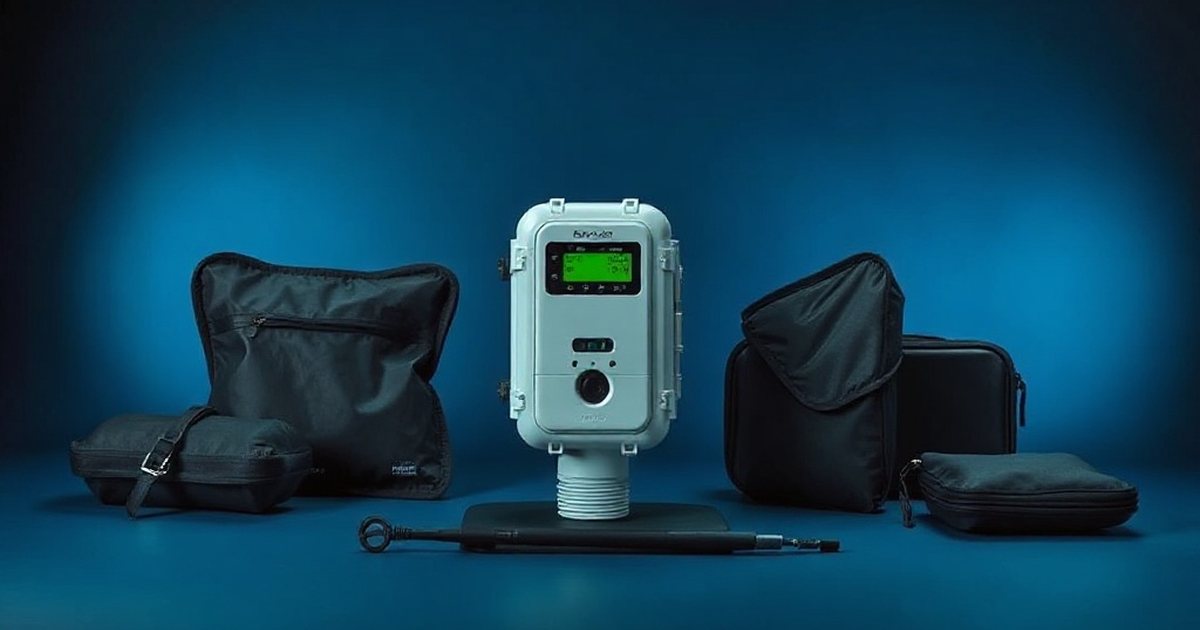
Doing nothing: Based on the measurement data from multiple peer-reviewed studies and utility-commissioned reports, RF exposure from a smart meter at typical operating duty cycles is well below FCC limits, especially once wall attenuation is factored in. For meters mounted on exterior walls with typical separation from occupied rooms, the exposure levels measured in published studies have been a small fraction of the FCC’s maximum permissible exposure. Many homeowners will decide that no action is needed, and that is a reasonable position given the available evidence. If you are uncertain, an inexpensive RF meter can help you measure the actual exposure levels at specific locations inside your home, so you are working from data rather than assumptions.



Frequently Asked Questions
Will a smart meter shield prevent my utility from reading the meter?
Most commercial smart meter shields are designed to attenuate RF, not block it completely. Products like the Smart Meter Guard and OMPERIO cover claim to reduce emissions by 90 to 98% while still allowing enough signal to reach the utility’s data collector. However, in areas with weak mesh network coverage, a shield could potentially cause missed readings. If your utility contacts you about connectivity issues, you may need to remove or adjust the cover.
Is it legal to put a cover on my smart meter?
There is no federal law prohibiting smart meter covers. However, your utility’s terms of service may restrict modifications to their equipment. The meter is typically owned by the utility, even though it is attached to your home. Interior wall shielding avoids this issue entirely since it does not involve the utility’s property. Check your service agreement or call your utility before installing an exterior cover.
How much RF does a smart meter actually produce compared to other household devices?
A smart meter transmits in short bursts with a typical duty cycle under 1 to 5%, meaning it is active for a small fraction of each hour. A Wi-Fi router, by contrast, transmits more frequently and sits much closer to occupants for longer periods. A cell phone pressed against your head during a call produces far higher localized exposure than a smart meter mounted outside on a wall. The key variables are distance and duration: the farther away the source and the shorter the transmission time, the lower the cumulative exposure.
Can I opt out of a smart meter in every state?
No. Opt-out availability varies significantly by state, and even within states, different utilities may have different policies. States like California, Arizona, Maine, and Texas have established opt-out programs. Others leave it up to individual utilities. Some jurisdictions offer no formal opt-out provision at all. Check with your state’s public utility commission and your specific utility provider for current policies.
What does a smart meter opt-out typically cost?
Costs vary by utility but commonly include a one-time setup or meter exchange fee and an ongoing monthly charge for manual meter reading. These fees can range from modest to substantial depending on your provider. Some utilities offer reduced fees for qualifying low-income or senior customers. Check with your utility for exact pricing before committing to the opt-out process.
Does an exterior smart meter cover work as well as interior wall shielding?
They address different parts of the problem. An exterior cover blocks RF radiating outward from the meter dome, but RF can still enter through the wall penetration where the meter base connects. Interior wall shielding blocks whatever RF passes through the wall into your living space, regardless of its path. For maximum reduction, some homeowners use both: an exterior cover plus interior wall shielding on the adjacent interior wall.
Will opting out affect my ability to use solar panels or time-of-use rates?
In many cases, yes. Solar net metering and time-of-use billing require granular interval data that only a communicating smart meter can provide. If you opt out, your utility may require you to switch to a flat-rate plan. This could mean losing favorable solar credits or off-peak rate discounts. Check with your utility about rate plan implications before requesting an opt-out.
Can I measure smart meter RF myself before deciding what to do?
Yes. A broadband RF detector or an RF meter capable of reading the 900 MHz band will pick up smart meter transmissions. Hold the meter at the interior wall opposite the smart meter and note the peak readings during burst transmissions. This gives you a baseline measurement. After installing shielding, repeat the measurement to quantify the reduction. Working from your own measurements is more useful than relying on general statistics, since every installation is different.
Choosing the Right Approach for Your Home
The right choice depends on your specific situation. If your smart meter is mounted on an exterior wall far from bedrooms and living areas, the measured exposure levels inside your home may already be negligible, and doing nothing could be the most practical decision. If the meter sits on a thin wall adjacent to a bedroom, an interior shield or exterior cover is a straightforward, one-time fix. And if you want to eliminate RF from the meter entirely and your utility offers an opt-out program, the analog replacement path gives you the most complete solution at the cost of ongoing fees and potential rate plan limitations.
Whatever you decide, start with information rather than assumptions. Measure the actual RF levels at the interior wall if you can. Check your utility’s specific opt-out policy and fee structure before committing. And remember that shielding your smart meter is just one piece of managing RF exposure in a home that likely also contains Wi-Fi routers, cordless phones, Bluetooth devices, and cell phones, all of which may contribute more cumulative exposure than the meter on the wall.
These statements have not been evaluated by the Food and Drug Administration. This information is not intended to diagnose, treat, cure, or prevent any disease. Content is for informational purposes only and is not medical advice; consult a qualified healthcare provider before starting any supplement. As an Amazon Associate we earn from qualifying purchases.