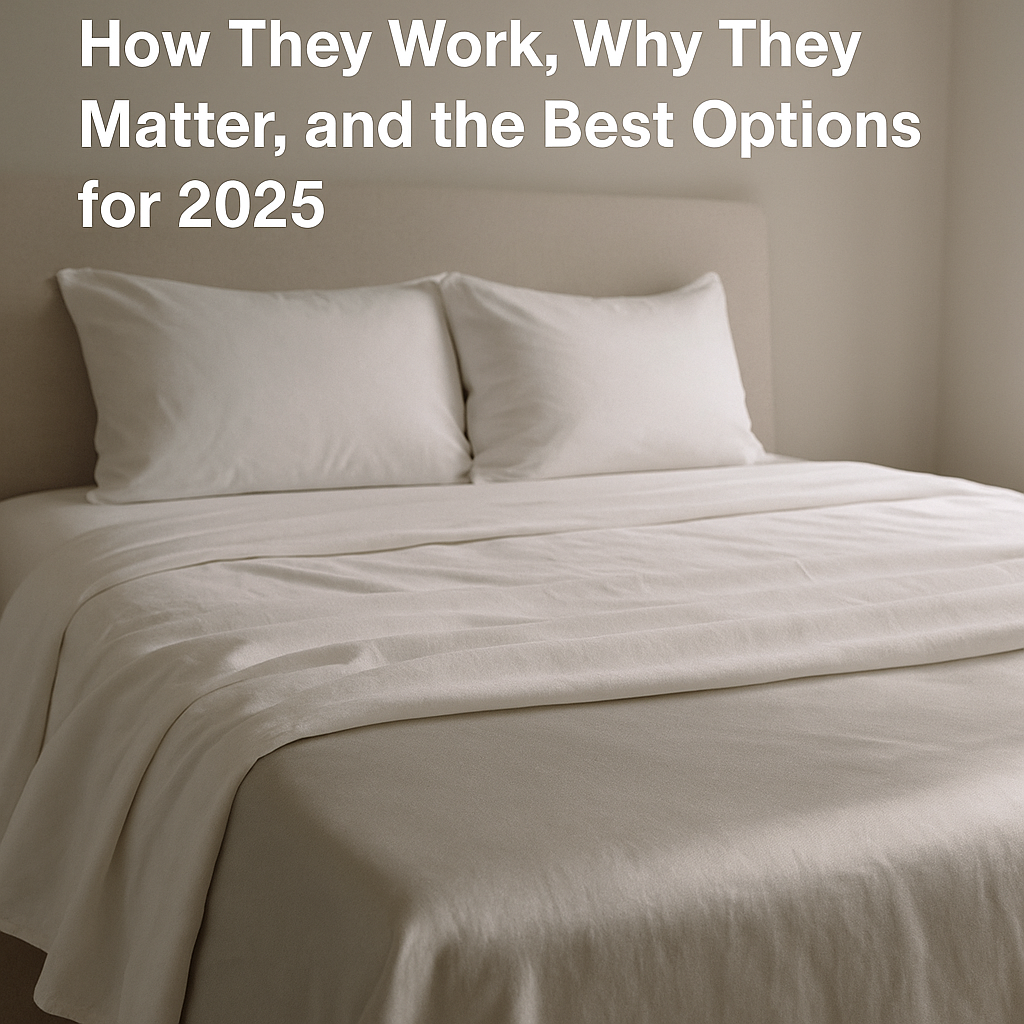
Wireless connectivity makes life convenient — but for many, it also brings unwanted exposure to electromagnetic fields (EMFs) and radio frequencies (RF). As awareness grows, homeowners and wellness enthusiasts are turning to frequency blocking fabrics to create calmer, healthier indoor environments.
Whether you’re shielding a bedroom, sewing EMF-resistant curtains, or designing protective clothing, understanding how these fabrics work — and which types actually perform — is essential.
This guide explains the science behind frequency blocking fabrics, compares popular materials, and highlights products you can buy online with verified performance data.
🧵 What Are Frequency Blocking Fabrics?
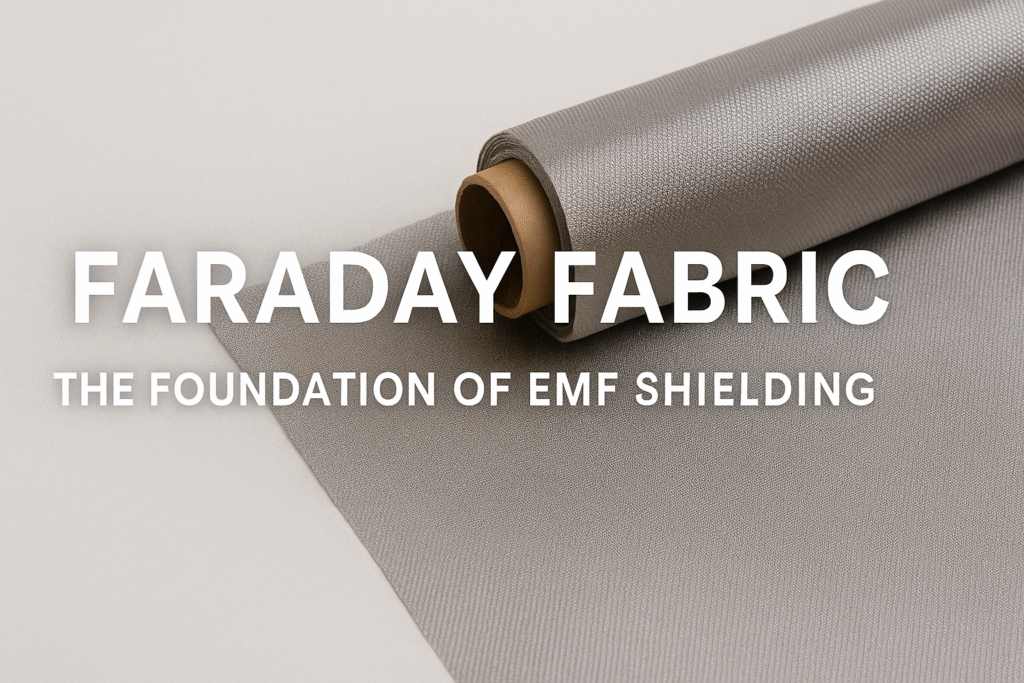
Frequency blocking fabrics are textiles engineered to reflect or absorb electromagnetic radiation. These fabrics contain conductive fibers — typically silver, copper, stainless steel, or carbon — woven into cotton, polyester, or nylon bases.
When electromagnetic waves hit these conductive threads, they either:
- Reflect (bounce away, reducing exposure), or
- Dissipate (convert energy into harmless heat).
The result: a measurable drop in electromagnetic field intensity — usually quantified as attenuation in decibels (dB).
Rule of thumb:
- 20 dB = 99% of incident power blocked
- 40 dB = 99.99% of incident power blocked
- 60 dB = 99.9999% of incident power blocked
(Electronics Notes: Shielding Effectiveness Explained)
🖼️ Image prompt: Close-up macro shot of silver-thread woven fabric with visible metallic sheen under light.
⚙️ How Frequency Blocking Fabrics Work
1. Conductivity and Reflection
Conductive fibers act like miniature antennas that redirect electromagnetic energy. When EMF waves strike these fibers, their electrical charge oscillates in the metal surface, reflecting the energy back.
The higher the conductivity, the stronger the reflection. Silver and copper are among the best conductors, which is why they dominate in premium fabrics.
2. Absorption and Attenuation
Carbon and stainless-steel fibers absorb EMF energy by converting it to heat — an imperceptible but effective process. These fabrics are ideal for low-frequency shielding or use in layered setups.
3. Weave Density and Thickness
Finer weaves with tight thread spacing block smaller wavelengths (like 5G signals). Thicker weaves absorb lower-frequency energy better (such as from power lines).
(ScienceDirect: Review of Shielding Mechanisms)
🖼️ Image prompt: Diagram showing EMF waves hitting silver-thread fabric, with arrows showing reflected and absorbed energy paths.
🧪 Measuring Fabric Effectiveness
Performance is measured in decibels (dB) using ASTM D4935-18 or IEEE 299 standards. These tests evaluate how much a fabric reduces electromagnetic field strength across a frequency range.
| Rating (dB) | Signal Reduction | Use Case |
|---|---|---|
| 20 dB | ~90% | Light shielding (scarves, casual wear) |
| 35 dB | ~99.7% | Curtains, bedding, or partial barriers |
| 50+ dB | 99.999%+ | Wall liners, canopies, professional applications |
Pro tip: Always look for lab-verified attenuation data — not just claims like “blocks 99% of EMF.”
(ASTM D4935-18 Standard Test Method)
🧷 Comparison: Top Frequency Blocking Fabrics for Home Use
| # | Fabric Type | Example Product | Attenuation (dB) | Frequency Range | Approx. Price | Best Use |
|---|---|---|---|---|---|---|
| 1 | Silver-thread modal fabric | SilverAffect Silver Jersey Fabric | 40–50 | 30 MHz–10 GHz | $55/yard | Curtains, bedding, DIY |
| 2 | Copper-polyester blend | Aaronia Copper Mesh | 60–100 | 100 kHz–40 GHz | $80/meter | Walls, under flooring |
| 3 | Silver-polyester fabric | DefenderShield Fabric by the Yard | 45–70 | 10 MHz–30 GHz | $45/yard | Drapes, canopies |
| 4 | Carbon-lined cotton | Radia Smart Organic Blanket | 35–45 | 800 MHz–6 GHz | $200 | Bedding, travel |
| 5 | Nickel-copper nylon weave | Aaronia Nickel Shield Fabric | 50–75 | 1 MHz–18 GHz | $60/meter | Wall liners, enclosure lining |
| 6 | Stainless-steel thread mesh | Swiss Shield Steel Ground Mesh | 50–70 | 100 kHz–6 GHz | $60/m² | Under flooring, behind drywall |
| 7 | Silver-nylon ripstop | BlocSilver Fabric | 50–55 | 30 MHz–6 GHz | $42/meter | Canopies, drapes |
| 8 | Carbon-fiber polyester | Shieldex Karl Fabric | 30–40 | 100 MHz–3 GHz | $35/meter | Upholstery, testing cloths |
| 9 | Hybrid silver-copper textile | YSHIELD SILVER-TWIN Fabric | 45–60 | 800 MHz–18 GHz | $70/meter | Multi-purpose use |
| 10 | EMF curtain fabric | Redemption Shield Breathable Fabric | 35–45 | 30 MHz–6 GHz | $42/meter | Window curtains |
🖼️ Image prompt: Flat lay photo showing multiple fabric swatches labeled Silver, Copper, Carbon, and Stainless.
🏡 Best Uses for Frequency Blocking Fabrics
1. Curtains and Drapes
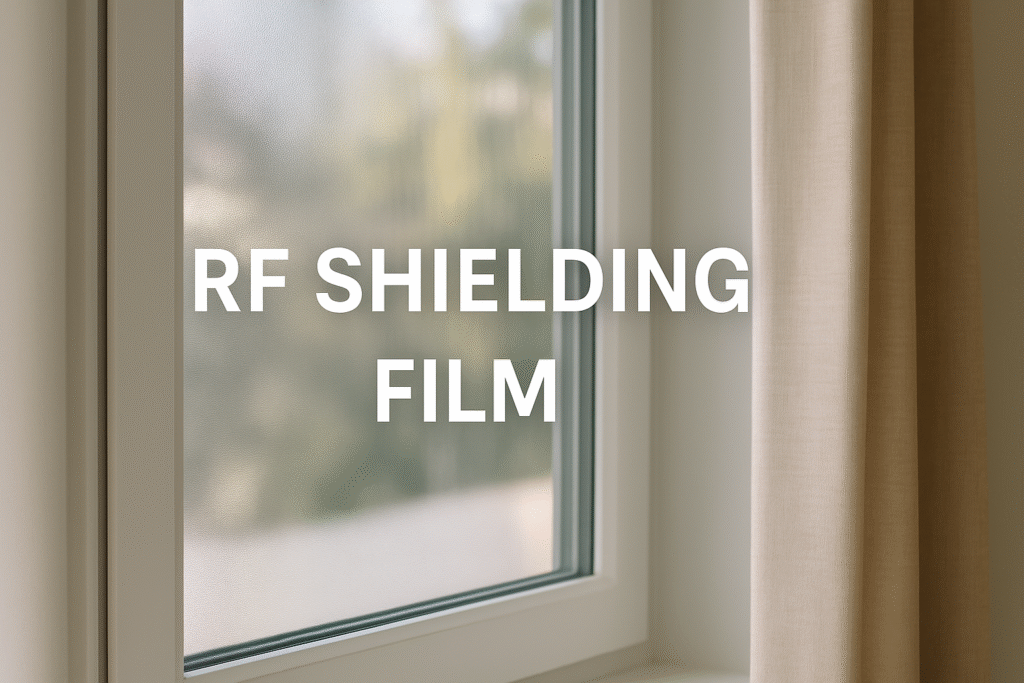
Fabrics like SilverAffect or DefenderShield can turn ordinary curtains into frequency-blocking barriers.
- Use multiple layers for better attenuation.
- Leave minimal gaps on the sides.
- Combine with grounding if the curtain reaches the floor.
🖼️ Image prompt: Sunlight filtering through elegant silver-gray curtains in a bedroom.
2. Bed Canopies
Bed canopies made from breathable silver-thread mesh offer the most noticeable nighttime EMF reduction.
- Blocks Wi-Fi and cellular signals.
- Allows airflow while maintaining comfort.
- Ideal for apartments near towers.
Example: Redemption Shield Canopy Fabric
🖼️ Image prompt: Overhead shot of a bed enclosed in a semi-transparent canopy with soft morning light.
3. Wall Liners and Underlays
Thicker copper or nickel fabrics can be installed under wallpaper or flooring to create permanent RF barriers.
- Especially useful for shared apartment walls.
- Always ensure grounding for safety.
🖼️ Image prompt: Installer placing metallic mesh fabric under carpet flooring.
4. Bedding and Blankets
Silver-lined or carbon-layered bedding reduces local field strength around the body while sleeping.
Tip: Combine with a grounded wall or canopy for maximum benefit.
🖼️ Image prompt: Soft neutral-colored bedding with subtle metallic shimmer, labeled “EMF Shielding Blanket.”
5. Wearable Protection
Lightweight frequency blocking fabrics are now used in scarves, maternity aprons, and even athletic wear.
While they don’t replace environmental shielding, they help reduce localized exposure during travel or work.
Example: Radia Smart EMF Protection Scarf
🖼️ Image prompt: Person wearing a silver-thread scarf in a modern workspace.
⚡ Installation & Grounding Tips
- Ground conductive fabrics (if used on walls or floors) to dissipate electric charge.
- Avoid layering multiple metal-based materials directly without insulation — this can create loops or static.
- Seal gaps with conductive tape for continuous coverage.
- Test effectiveness using a handheld RF meter before and after installation.
- Wash gently: Cold water, mild detergent, no bleach or fabric softeners.
(Safe Living Technologies Care Guidelines)
🖼️ Image prompt: Technician grounding a curtain track with small clip and cable.
🔬 Understanding the Science: Reflection vs. Absorption
| Property | Reflective Fabrics (Silver, Copper) | Absorptive Fabrics (Carbon, Steel) |
|---|---|---|
| Mechanism | Reflect waves back | Convert waves to heat |
| Strength | High RF attenuation | Better for low-frequency fields |
| Feel | Softer, smoother | Coarser texture |
| Ideal Use | Curtains, bedding, clothing | Wall liners, underfloor mesh |
Combining both types — for instance, silver curtains with carbon paint — creates a broad-spectrum shielding effect.
🖼️ Image prompt: Diagram illustrating layered wall with paint and fabric labeled “reflective + absorptive synergy.”
🧼 Maintenance and Longevity
- Silver and copper fabrics: May tarnish over years; still effective but aesthetic changes occur.
- Carbon fabrics: Color-stable but slightly less conductive.
- Washing: Every 3–6 months with neutral detergent; avoid wringing.
- Drying: Air-dry only — high heat can degrade conductive threads.
When properly cared for, frequency blocking fabrics last 5–10 years with minimal performance loss.
🛠️ DIY Tips for Home Use
- Sew custom curtains or canopies with grounding clips.
- Line walls with fabric behind decorative panels.
- Make small shielding mats for work desks or Wi-Fi routers.
- Combine materials: silver for reflection, carbon for absorption.
- Always test with a handheld meter for measurable results.
🖼️ Image prompt: DIYer sewing silver shielding fabric on a home machine.
🧠 Key Takeaways
- Frequency blocking fabrics work by reflecting or absorbing electromagnetic energy using conductive fibers.
- Silver, copper, and carbon fabrics provide the best balance between performance and comfort.
- Choose fabrics tested under recognized standards (ASTM or IEEE).
- Proper installation and grounding maximize results.
- Ideal for curtains, canopies, bedding, and décor — not just industrial use.
When thoughtfully applied, these fabrics transform bedrooms, nurseries, and offices into healthier, more peaceful spaces without sacrificing beauty or comfort.
References
- ASTM D4935-18 Standard Test Method
- SilverAffect Silver Jersey Fabric
- DefenderShield Fabric by the Yard
- Aaronia Copper Mesh
- Radia Smart EMF Blanket and Scarf
- Swiss Shield Ground Mesh
- Redemption Shield Breathable Fabric
- Electronics Notes: Shielding Effectiveness
Featured Products
Looking for quality EMF protection? Check out these recommended products:
Frequently Asked Questions
How much EMF protection do frequency blocking fabrics actually provide?
Frequency blocking fabrics work by reflecting or absorbing electromagnetic radiation through conductive fibers like silver or copper. The protection level is measured in decibels (dB), where 20 dB blocks 99% of the incident power, 40 dB blocks 99.99%, and 60 dB blocks 99.9999% depending on the fabric quality and construction.
What’s the best way to use frequency blocking fabrics in my bedroom?
You can use frequency blocking fabrics in multiple ways for bedroom protection, including installing them as curtains and drapes to block external signals, creating bed canopies for direct sleeping area coverage, or using them as wall liners behind headboards. Combining multiple applications in your bedroom creates more comprehensive shielding than any single method alone.
Can I make my own EMF-blocking curtains at home?
Yes, you can create DIY frequency blocking curtains by purchasing frequency blocking fabric with verified performance data and sewing them into custom drapes for your windows. To be effective, ensure proper grounding of the conductive fibers and use dense weaves that maximize the number of conductive threads blocking electromagnetic waves.
What materials work best for frequency blocking fabrics?
The most effective conductive materials for frequency blocking fabrics are silver, copper, stainless steel, or carbon fibers woven into cotton, polyester, or nylon bases. Silver provides the highest conductivity and shielding effectiveness, though copper and stainless steel offer good protection at lower costs, and fabric thickness and weave density significantly impact overall performance.
These statements have not been evaluated by the Food and Drug Administration. This information is not intended to diagnose, treat, cure, or prevent any disease. Content is for informational purposes only and is not medical advice; consult a qualified healthcare provider before starting any supplement. As an Amazon Associate we earn from qualifying purchases.