Electric Field Meters
Electric Field Meters: A Complete Guide to Low-Frequency EMF Testing
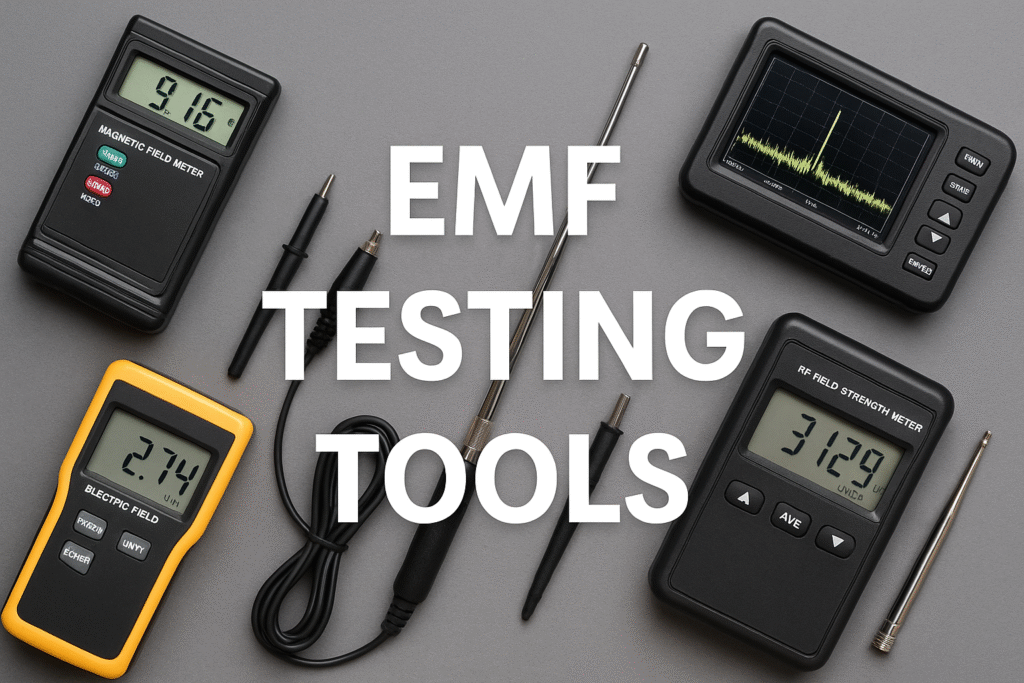
Electric fields are present anywhere voltage exists — whether appliances are turned on or off. Unlike magnetic fields, which require current flow, electric fields arise simply from energized wiring, extension cables, lighting circuits, and electronic devices. To measure these exposures accurately, professionals and home assessors rely on Electric Field Meters, specialized tools designed to detect low-frequency electric fields in the environment and on surfaces.
Because electric fields interact with the human body differently than magnetic or RF fields, understanding them is essential for creating a low-EMF living space. This guide explains how Electric Field Meters work, when to use them, how to interpret results, and what to consider when selecting the right tool for your home. For a full overview of EMF testing equipment, visit our resource page here:
https://frequencyblockers.com/emf-testing-tools/

What Electric Field Meters Measure
Electric Field Meters detect voltage-induced fields in units of volts per meter (V/m). These fields originate from:
- Power cords
- Appliance housings
- In-wall wiring
- Lamps and lighting circuits
- Surge protectors and extension strips
- Electronics in standby mode
Electric fields behave differently depending on distance, grounding, and shielding. Because they interact easily with the body, identifying elevated exposures is especially important in sleeping areas, workspaces, and children’s rooms.
How Electric Field Meters Work
Electric Field Meters measure potential differences in the air or on surfaces. They operate using either:
1. Air Measurement (Free-Field Detection)
These meters sense electric fields radiating from wiring, cords, and energized devices.
- Best for identifying “hot spots” in rooms
- Sensitive to movement and proximity
- Useful for evaluating sleeping areas and desks
2. Contact or Surface Measurement
Some Electric Field Meters evaluate voltage on surfaces such as:
- Bed frames
- Metal lamps
- Appliances
- Floors
- Walls
These readings help determine whether grounding or shielding improvements are needed.
Most professional Electric Field Meters measure both free-field exposure and body-voltage reduction.
Why Electric Field Meters Matter for EMF Assessments
Electric fields are often misunderstood because they can be strong even when devices are powered off. Electric Field Meters reveal hidden exposures that cannot be detected visually or through simple power tests.
Key reasons to use Electric Field Meters include:
1. Assessing Bedrooms
Electric fields around beds can increase body voltage during sleep. Elevated nighttime exposure is linked to sleep disruption and heightened stress responses.
2. Identifying Wiring Errors
Improperly routed wiring, backfed circuits, or overloaded conduits often generate elevated fields.
3. Reducing Desk and Workspace Exposure
Computers, monitors, lamps, and chargers create layered electric fields that Electric Field Meters can quantify.
4. Determining Shielding Needs
Before installing shielding paint, grounded canopies, or conductive mesh, you must measure the baseline electric fields.
How to Use Electric Field Meters Correctly
Accurate testing requires consistent positioning, proper grounding, and repeatable measurements. Follow these steps:
1. Start With a Baseline Sweep
Walk slowly through the room, holding the Electric Field Meter at chest height. Observe peaks near:
- Outlets
- Walls with wiring
- Lamps
- Power strips
- Behind beds
2. Test at Sleeping and Sitting Positions
Measure at:
- Pillow height
- Mattress level
- Desk seating height
These readings reflect real exposure levels.
3. Keep Your Body Out of the Field
Your body affects electric fields. Stand at an angle and avoid shielding the meter.
4. Compare “Power On” vs. “Power Off” Conditions
Electric fields often drop significantly when circuit breakers are turned off. This helps pinpoint problematic circuits.
5. Test Surfaces for Voltage
If your meter supports contact readings, check:
- Bed frames
- Metal desks
- Appliances
- Flooring
This helps identify grounding opportunities.
Common Electric Field Levels and Interpretation
There is no universal global standard for acceptable electric field exposure levels, but building biologists often use the following benchmarks:[1]
| Exposure Category | Electric Field Level (V/m) | Interpretation |
|---|---|---|
| Very Low | 0–1.5 V/m | Ideal for sleeping areas |
| Low | 1.5–3 V/m | Acceptable range |
| Moderate | 3–10 V/m | Investigate possible sources |
| High | 10–50 V/m | Reduction recommended |
| Very High | 50+ V/m | Significant electric field |
Electric Field Meters make these ranges easy to quantify.
Types of Electric Field Meters
1. Basic Digital Electric Field Meters
Affordable tools designed to measure environmental fields.
- Good for beginners
- Useful for quick scans
- Limited precision
2. Professional Electric Field Meters
Used by EMF inspectors and building biologists.
- Higher sensitivity
- Multi-mode operation
- Body-voltage comparison
- Surface voltage detection
3. Multi-Field EMF Meters
Some tri-field meters measure electric, magnetic, and RF fields.
While convenient, they lack the precision of dedicated Electric Field Meters.
4. Oscilloscope-Based Electric Field Tools
Advanced diagnostic tools useful for troubleshooting wiring issues.
These are typically used by electrical engineers.
Price Ranges for Electric Field Meters
| Meter Category | Typical Price | Best For |
|---|---|---|
| Entry-Level | $50–$150 | Basic home assessment |
| Mid-Range | $150–$300 | Reliable room mapping |
| Professional | $300–$900+ | Detailed diagnostics, building biology inspections |
Professional-grade Electric Field Meters provide much more accurate representation of complex electric environments.
Troubleshooting with Electric Field Meters
Common findings include:
1. High Fields Behind Beds
Often caused by lamps, chargers, or wiring behind the wall.
2. Elevated Fields at Desk Level
Generated by monitors, laptop chargers, LED desk lamps, and power strips.
3. Fields on Metal Frames
Unbonded or ungrounded metal structures can accumulate voltage.
4. High Exposure in Kitchens
Appliances like refrigerators, microwaves, induction cooktops, and dishwashers often produce layered electric fields.
Identifying the problem source allows for targeted mitigation.
How to Reduce Electric Fields After Testing
Electric Field Meters help identify ways to improve your space. Common solutions include:
- Using grounded lamps and appliances
- Replacing unshielded extension cords
- Moving beds or desks away from energized walls
- Turning off bedroom circuits at night (using a remote relay)
- Replacing old wiring
- Grounding metal furniture
- Using electric-field shielding paint (properly grounded)
Testing both before and after adjustments ensures the mitigation works.
Mistakes to Avoid When Using Electric Field Meters
- Holding the meter too close to your body
- Testing at inconsistent heights
- Ignoring contact voltage
- Using the meter in a room with variable humidity
- Measuring too quickly
- Interpreting readings without comparing multiple points
Consistency is key for reliable data.
Electric Field Meters vs. Gauss Meters
| Tool | Measures | Best For |
|---|---|---|
| Electric Field Meters | Voltage-induced electric fields (V/m) | Bedrooms, desks, wiring exposure |
| Gauss Meters | Magnetic fields (mG) | Appliances, power lines, wiring faults |
Most comprehensive EMF assessments use both tools.
FAQs About Electric Field Meters
Do Electric Field Meters measure RF?
No. They measure only low-frequency electric fields.
Is grounding necessary for accurate readings?
Many Electric Field Meters offer more accurate data when properly grounded.
Do electric fields travel through walls?
Yes — especially through lightweight materials like drywall.
Why are electric fields strongest near beds?
Because nightstands, lamps, chargers, and bedroom circuits remain energized overnight.
Key Takeaways
- Electric Field Meters measure voltage-induced electric fields in V/m and are essential for low-frequency EMF assessment.
- They help evaluate sleeping areas, identify wiring issues, detect surface voltage, and guide mitigation strategies.
- Correct positioning and consistent measurement techniques are critical.
- Electric fields remain present even when devices are switched off, making Electric Field Meters uniquely valuable.
- For a full overview of all EMF testing tools, visit:
https://frequencyblockers.com/emf-testing-tools/
References
- Building Biology Institute – Electric Field Testing Principles
- Frequency Blockers – EMF Testing Tools Overview
Frequently Asked Questions
What exactly do electric field meters measure and how is that different from magnetic field readings?
Electric field meters specifically measure the voltage potential in the air or on surfaces caused by energized wiring and electrical devices, regardless of whether they’re turned on or off. Unlike magnetic field meters (Gauss meters) that only detect fields created by current flow, electric field meters capture the static electrical potential that exists whenever voltage is present in your environment.
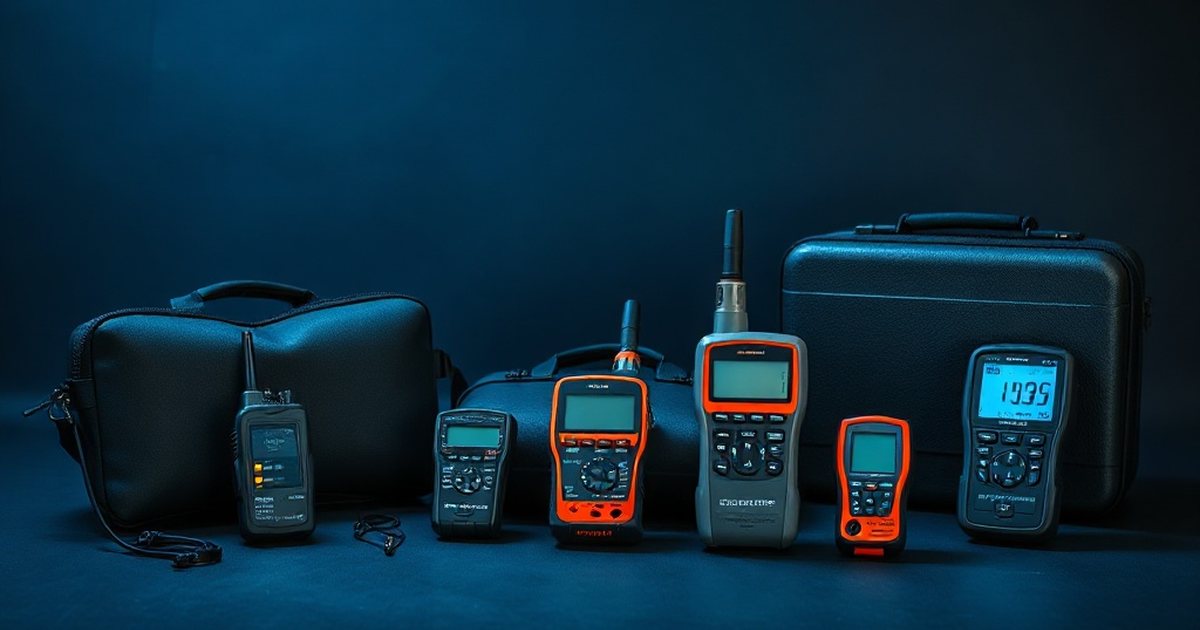
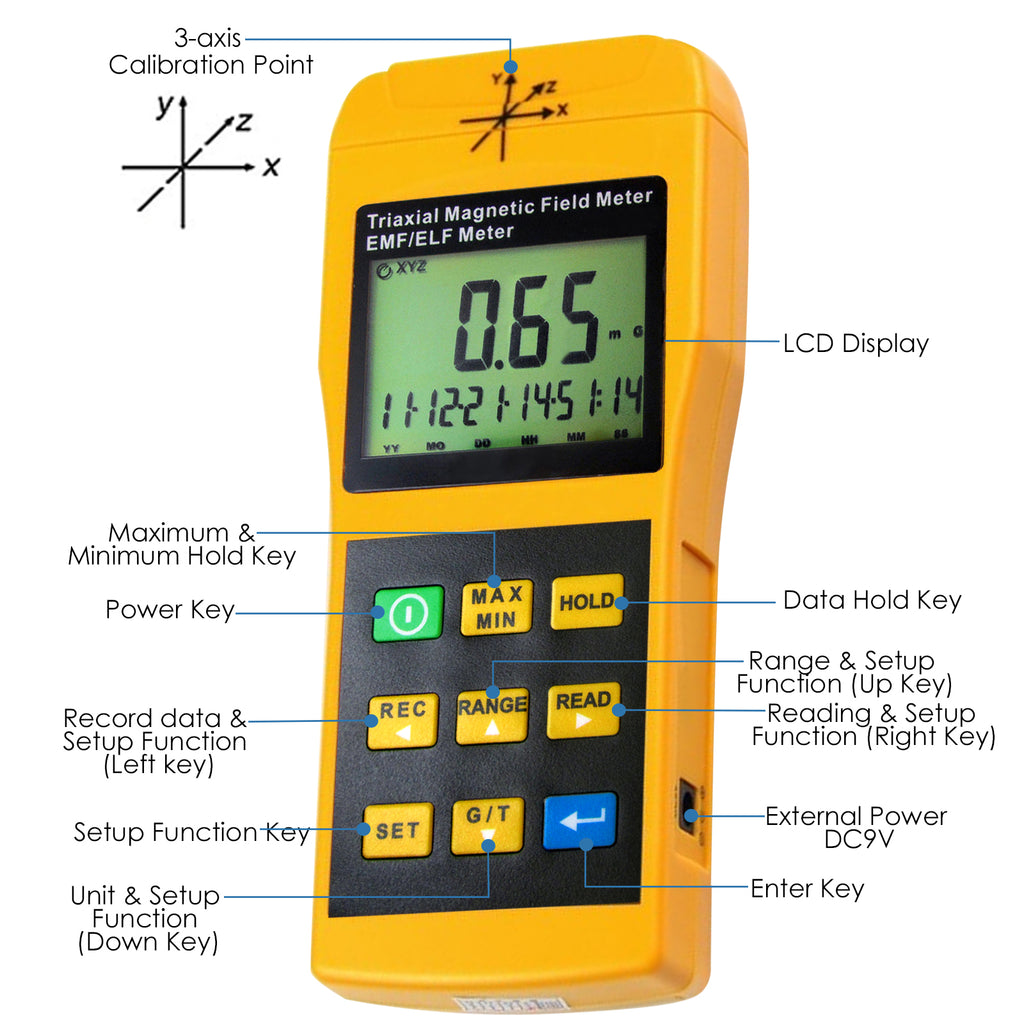
Editor’s Pick: TriField TF2 EMF Meter
Can I use an electric field meter to check if my bedroom is safe for sleeping?
Yes, electric field meters are one of the most practical tools for assessing bedroom safety. You should test at pillow height and typical sleeping positions to identify elevated fields, then compare readings with the power on and off to pinpoint problematic sources like faulty wiring or nearby electrical outlets behind your bed.

Do electric field meters work through walls, or do I need line-of-sight to the source?
Electric fields don’t travel through walls the way you might expect, so your meter readings will primarily detect fields in the space where you’re measuring rather than penetrating through barriers. However, voltage can transmit through conductive materials like metal frames or grounded objects, so you may detect elevated fields on surfaces even if the direct source is on the other side of a wall.
How much should I expect to spend on a quality electric field meter for home EMF testing?
Basic digital electric field meters typically range from $100 to $300 for home use, while professional-grade meters can cost $400 to $1,000 or more depending on features and accuracy. For most privacy-conscious homeowners, a mid-range meter around $200 to $400 provides sufficient sensitivity to identify problem areas and verify shielding effectiveness.
These statements have not been evaluated by the Food and Drug Administration. This information is not intended to diagnose, treat, cure, or prevent any disease. Content is for informational purposes only and is not medical advice; consult a qualified healthcare provider before starting any supplement. As an Amazon Associate we earn from qualifying purchases.