Dirty Electricity Meters: A Complete Guide to Testing Harmonic and Transient EMF Pollution
Dirty electricity is one of the least understood but most widespread forms of electromagnetic pollution in modern buildings. Unlike standard low-frequency electric and magnetic fields, dirty electricity consists of high-frequency voltage spikes and current transients that travel along electrical wiring. These disturbances are generated by dimmer switches, LED bulbs, smart appliances, solar inverters, and many modern electronic systems. To measure this type of EMF accurately, professionals rely on Dirty Electricity Meters, specialized tools designed to quantify harmonic distortion and high-frequency noise on electrical circuits.
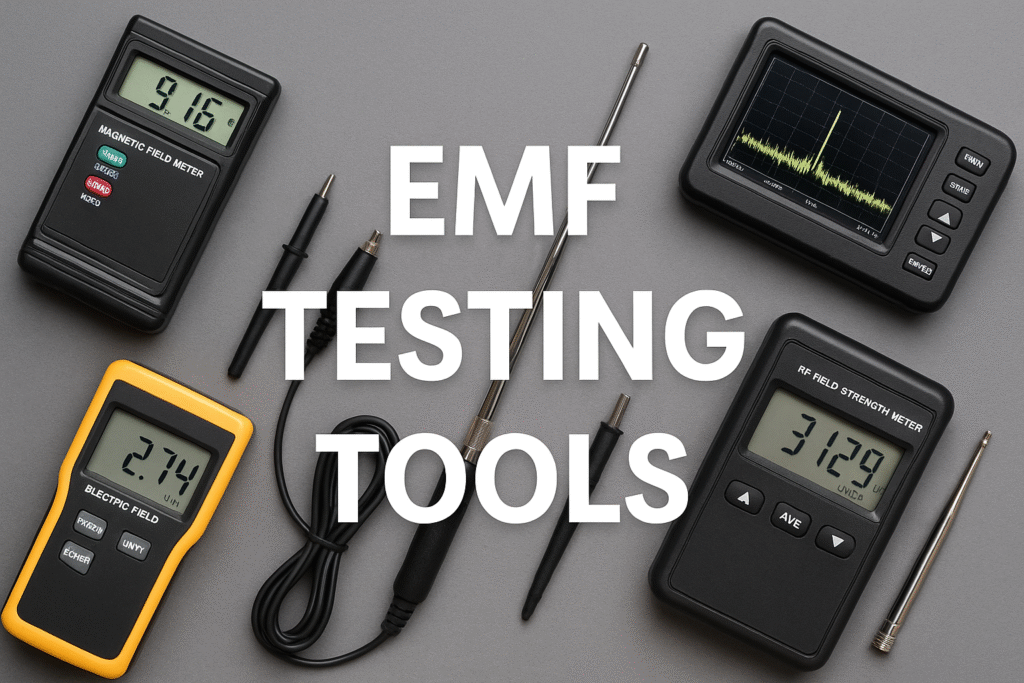
This guide explains how Dirty Electricity Meters work, when to use them, what their readings mean, and how they fit into a complete home EMF assessment. For a broader overview of testing tools, visit:
https://frequencyblockers.com/emf-testing-tools/
What Dirty Electricity Is and Why It Matters
Dirty electricity refers to unwanted high-frequency signals that hitchhike on standard 50/60 Hz wiring. These frequencies typically range from 2 kHz to 100 kHz or even higher, and they occur when devices abruptly switch power on and off, modulate current, or distort the electrical waveform.
Common causes include:
- LED and fluorescent lighting
- Solar inverters
- Variable-speed motors
- Smart meters
- Laptop and phone chargers
- Wi-Fi routers near wiring
- Gaming systems and entertainment devices
- Dimmer switches
- Refrigerators with modern efficiency controls
Dirty electricity can spread throughout a home’s wiring system, sometimes affecting multiple rooms even when the original source is distant.
What Dirty Electricity Meters Measure
Dirty Electricity Meters quantify the high-frequency noise riding along electrical wiring. They typically measure:
1. Volts per Meter Equivalent (Transients Converted to a Standardized Value)
Some meters provide a simplified reading to help users understand relative levels.
2. Millivolts of High-Frequency Noise
More advanced models show noise intensity in raw electrical units.

3. Frequency Content Across a Range
Some Dirty Electricity Meters provide spectral information about the disturbances.
4. Before-and-After Effects of Filters
They help validate whether plug-in filters or mitigation strategies are working.
These measurements guide informed decisions about remediation.
How Dirty Electricity Meters Work
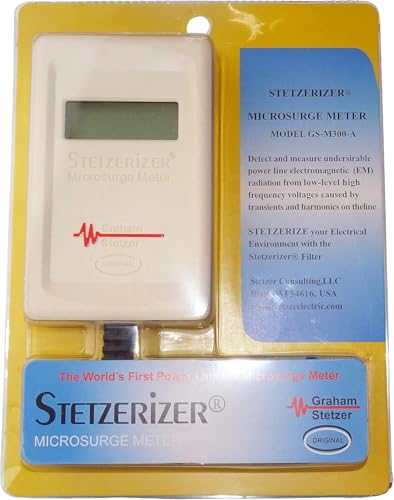
Dirty Electricity Meters typically plug directly into an outlet to measure noise on the wiring. Unlike standard EMF tools that sense fields radiating into the room, these meters evaluate the electrical circuit itself.
1. Plug-In Detection
The meter uses internal high-frequency filters and sensors to isolate unwanted transients.
2. Conversion to Readable Units
Meters convert electrical noise into units such as:
- GS units (Graham-Stetzer units)
- Millivolts
- Noise index values
3. Real-Time Monitoring
Displays respond instantly to:
- Turning lights on/off
- Plugging in chargers
- Operating appliances
This makes source identification easier.
4. Comparative Assessment
Users can test before and after installing filters or making circuit adjustments.
Why Dirty Electricity Meters Are Important for EMF Assessments
Dirty electricity behaves differently from other EMF types. It can radiate from wiring into nearby spaces, increasing exposure even when no devices are physically present.
Dirty Electricity Meters help identify:
1. Problematic Lighting Systems
LEDs and fluorescents often generate high transient loads.
2. High-Noise Circuits
Outlets in bedrooms or home offices may show elevated values even when nothing is plugged in.
3. Appliances with Switching Power Supplies
EV chargers, refrigerators, and HVAC units can introduce harmonics.
4. Electrical Issues and Wiring Irregularities
Some noise patterns indicate grounding problems, overloading, or faulty installations.
5. Effectiveness of Mitigation Efforts
After installing filters or rerouting devices, Dirty Electricity Meters verify the improvement.
How to Use Dirty Electricity Meters Correctly
Accuracy depends on consistent technique. Follow these steps:
1. Start With a Baseline Survey
Plug the meter into outlets in each room, including:
- Bedrooms
- Living areas
- Kitchens
- Home offices
- Basements or utility rooms
Record the initial values.

2. Test Under Different Conditions
Compare readings with:
- Lights on vs. off
- Electronics operating vs. idle
- HVAC systems running
- Appliances cycling
Dirty electricity often spikes during device transitions.
3. Identify the Highest-Load Circuits
Outlets sharing a circuit can reveal whether noise originates upstream.
4. Test One Device at a Time
Turn devices on and off systematically to isolate contributors.
5. Evaluate Filter Performance
After installing plug-in filters or panel-based solutions, retest the same outlets.
6. Document All Results
This helps track changes over time and informs future improvements.
Interpreting Dirty Electricity Meters Readings
While exact standards vary, many assessors use the following ranges:
| Level | Typical Reading (GS Units) | Interpretation |
|---|---|---|
| Low | 0–50 GS | Ideal for sleeping areas |
| Moderate | 50–200 GS | Acceptable but worth reducing |
| Elevated | 200–500 GS | Action recommended |
| High | 500–1,000 GS | Significant dirty electricity present |
| Very High | 1,000+ GS | Immediate investigation needed |
Note: Units may vary depending on the meter brand.
Types of Dirty Electricity Meters
1. GS Unit Meters
Provide simple, user-friendly readings in standardized units.
2. Millivolt Noise Meters
Used by professionals for more technical analysis.
3. Broadband Dirty Electricity Meters
Capture a wide range of frequencies for deeper diagnostics.
4. Smart Meters with Spectral Data
Offer advanced graphs and analytics for detailed study.
Price Ranges for Dirty Electricity Meters
| Category | Typical Price | Best For |
|---|---|---|
| Entry-Level | $100–$150 | Basic home assessment |
| Mid-Range | $150–$300 | Reliable diagnostics |
| Professional | $300–$700+ | Detailed spectral analysis |
Entry-level models are suitable for identifying hotspots, while professional meters offer greater accuracy.
Common Sources of Dirty Electricity Identified by Dirty Electricity Meters
- LED lamps and dimmers
- Smart TVs and entertainment systems
- Solar inverters
- Computer power supplies
- Wi-Fi routers near wiring paths
- Air purifiers and dehumidifiers
- Microwaves and induction cooktops
- Smart appliances
Correctly identifying these sources is the first step toward mitigation.
How to Reduce Dirty Electricity After Testing
Once Dirty Electricity Meters reveal problematic circuits, several mitigation techniques can help:
1. Install Dirty Electricity Filters
Plug-in capacitive filters reduce noise across circuits.
2. Replace Problematic Bulbs and Dimmers
Use non-dimmable incandescent or high-quality LED bulbs.
3. Separate Wireless Devices From Wiring Paths
Distance reduces induced noise.
4. Adjust Appliance Placement
Moving power supplies or chargers away from bedrooms can help.
5. Use Shielded Wiring in Critical Areas
Supplemental circuits can reduce exposure.
6. Address Electrical Issues
Grounding corrections or rewiring may be needed in older homes.
Always retest afterward to confirm improvements.
Dirty Electricity Meters vs. Other EMF Tools
| Tool Type | What It Measures | Best Use Case |
|---|---|---|
| Dirty Electricity Meters | High-frequency noise on wiring | Identifying wiring pollution |
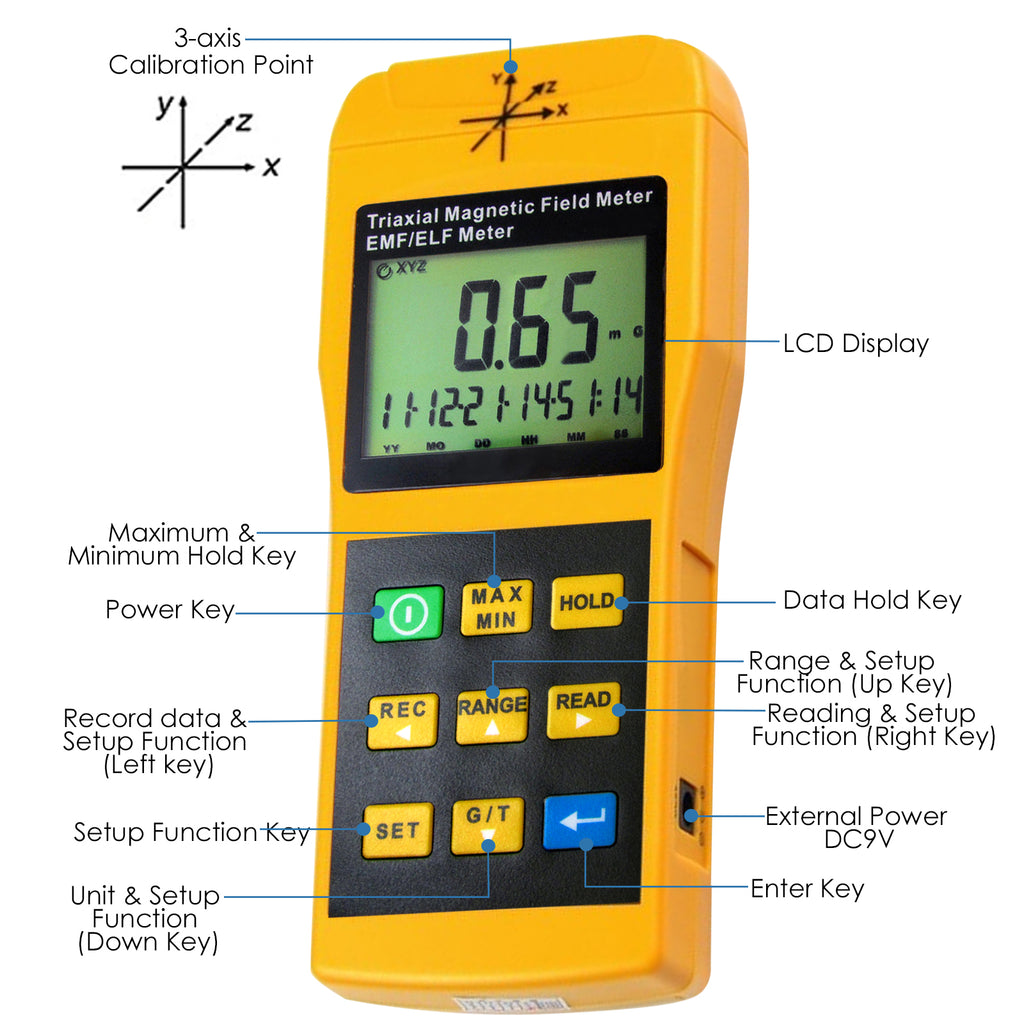
| Gauss Meters | Magnetic fields | Appliances, wiring faults |
| Electric Field Meters | Voltage-induced fields | Bedrooms, offices |
| RF Spectrum Analyzers | Wireless exposure | Wi-Fi, cell towers |
Dirty Electricity Meters fill a unique niche by focusing on wiring pollution, which other tools cannot detect.
FAQs About Dirty Electricity Meters
Do Dirty Electricity Meters measure RF?
No—they measure high-frequency noise on wiring, not airborne RF signals.
Can filters reduce dirty electricity significantly?
Yes, especially when placed strategically on high-load circuits.
Are plug-in meters accurate?
High-quality models provide reliable trend analysis for home use.
Do dirty electricity levels change throughout the day?
Yes—they fluctuate with appliance usage, grid load, and environmental conditions.
Key Takeaways
- Dirty Electricity Meters detect high-frequency harmonics and transients on electrical wiring, revealing EMF sources that other tools cannot measure.
- They are essential for identifying issues related to lighting, appliances, and modern electronic systems.
- Readings help guide targeted mitigation like filters, rewiring, or equipment adjustments.
- After testing, retesting is crucial to confirm improvements.
- For additional EMF testing tools, visit:
https://frequencyblockers.com/emf-testing-tools/
References
- NIST – Electromagnetic Compatibility and Telecommunications LAP
- Frequency Blockers – EMF Testing Tools Overview
Recommended EMF Testing Equipment
Ready to start testing? Check out our top-rated EMF meters:
- Safe and Sound Pro II RF Meter
- Safe and Sound Classic II RF Meter
- Safe and Sound Pro mmWave 20GHz Meter
Browse all EMF protection products →
Frequently Asked Questions
What exactly is dirty electricity and how is it different from regular EMF?
Dirty electricity consists of high-frequency voltage spikes and current transients that travel along your electrical wiring, unlike standard low-frequency electric and magnetic fields. It’s generated by common household devices like dimmer switches, LED bulbs, smart appliances, and solar inverters, making it one of the most widespread forms of electromagnetic pollution in modern buildings.
What can a dirty electricity meter actually measure in my home?
A dirty electricity meter measures high-frequency noise on your electrical circuits by quantifying harmonic distortion, voltage transients converted to standardized values, and frequency content across a range. You can use it to establish baseline readings, test specific circuits and appliances, and evaluate how well filters or mitigation efforts are reducing the pollution in your space.
Which devices in my home are the biggest sources of dirty electricity?
The primary culprits include dimmer switches, LED bulbs, smart appliances with switching power supplies, solar inverters, and modern electronic systems with built-in voltage regulators. You can identify your worst offenders by using a dirty electricity meter to test individual circuits and devices under different conditions, helping you prioritize which sources to address first.
How do I know if the dirty electricity filter I installed is actually working?
You should use a dirty electricity meter to take readings before and after installing filters on your circuits, comparing the millivolt levels and harmonic distortion to measure the reduction in high-frequency noise. Testing under different conditions and documenting all results will give you concrete data on whether your mitigation efforts are effectively lowering EMF pollution in your home.
These statements have not been evaluated by the Food and Drug Administration. This information is not intended to diagnose, treat, cure, or prevent any disease. Content is for informational purposes only and is not medical advice; consult a qualified healthcare provider before starting any supplement. As an Amazon Associate we earn from qualifying purchases.