Copper Paint: The Complete Guide to RF and EMF Frequency Blocking (2026 Edition)
Copper paint has become one of the most advanced materials for blocking RF and EMF radiation in homes, offices, laboratories, and secure-communications facilities. Because copper is one of the most conductive metals on earth, copper paint delivers excellent shielding performance across a wide frequency range—from low-frequency electromagnetic fields to high-frequency wireless signals like WiFi, smart meters, Bluetooth, 5G, and cellular bands.
In this guide, you’ll learn exactly how copper paint works, what it blocks, how it compares to carbon-based and nickel coated paint, how to install it correctly, and which brands manufacture the most reliable products. Whether you’re preparing a shielded room for privacy, reducing wireless exposure at home, or designing a technical environment that requires precise RF control, copper paint is one of the strongest options available.
What Is Copper Paint?
Copper paint is a conductive shielding coating that contains fine copper particles blended into a water-based or solvent-based binder. When applied to a surface—walls, ceilings, enclosures, equipment housings—it creates a continuous metallic layer capable of blocking or attenuating electromagnetic radiation.
Because copper has exceptional electrical conductivity and high reflectivity, copper paint performs well for both:
- EMF protection (reducing exposure levels)
- RF shielding (controlling or blocking wireless signals)
- EMI reduction (electromagnetic interference)
- Data privacy and secure facilities
Although often used in industrial and government environments, copper paint is increasingly adopted by homeowners who want a shielded bedroom, office, or nursery.
How Copper Paint Works
Copper paint works through three core shielding mechanisms: reflection, absorption, and conductive dissipation.
1. Reflection of Electromagnetic Waves
Copper is highly reflective at RF frequencies. Most wireless signals bounce off copper-coated surfaces instead of passing through them.
2. Absorption of RF Energy
Some energy is absorbed by the copper particles and converted into low-level thermal energy.
3. Conductive Dissipation Into Ground
When properly grounded, copper paint forms a conductive shield that routes EMF and RF interference safely to ground.
This combination provides broad-spectrum protection across:
- Cellular bands
- 2.4 GHz and 5 GHz WiFi
- 5G (sub-6 GHz and mmWave ranges depending on thickness)
- Bluetooth
- RFID
- Smart meters
- GPS
- Industrial wireless
- Low-frequency electromagnetic fields
Copper paint is considered one of the strongest options for building a Faraday-style environment without installing metal mesh panels.
Performance Characteristics of Copper Paint
Although performance varies by brand and formulation, most high-grade copper paint delivers:
- 50–100 dB attenuation depending on frequency
- Extremely high conductivity
- Coverage of 60–120 sq ft per liter
- Stable performance even at high GHz frequencies
- Compatibility with grounding plates and shielding accessories
- Ability to form part of a complete Faraday enclosure
The attenuation level depends heavily on layer thickness and number of coats. Many installations use two coats minimum, though high-security spaces may use more.
Copper paint is also frequently used in combination with:
- RF window film
- Shielding caulk
- Carbon-based or nickel coated underlayers
- EMF shielding wallpaper
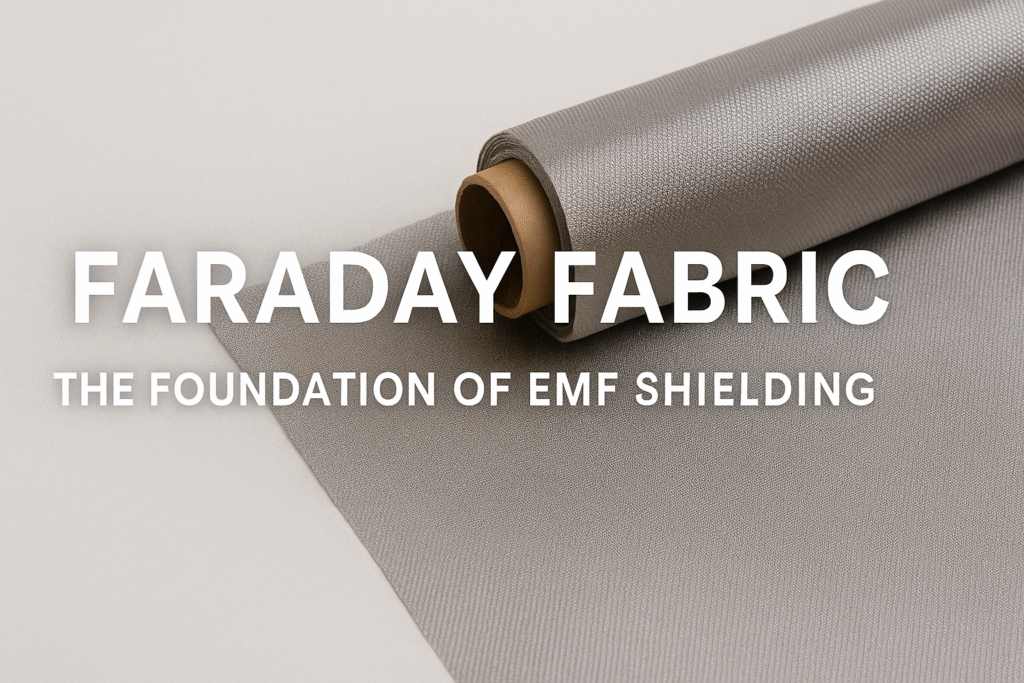
- Faraday fabrics
This modular approach creates a more robust, verified shielding system.
Best Use Cases for Copper Paint
Copper paint is versatile and effective in both residential and industrial environments.
Top applications include:
Shielded Bedrooms and Low-EMF Homes
Used by homeowners who want lower wireless exposure while sleeping.
Corporate Privacy Rooms
Ensures confidentiality by blocking external wireless intrusion.
SCIF-Style Secure Facilities
Used in defense, government, and intelligence applications where RF leakage is unacceptable.
Laboratories and Research Spaces
Reduces electromagnetic noise that interferes with sensitive equipment.
Medical Facilities
Helps prevent RF interference near diagnostic equipment, sensors, or wireless-sensitive devices.
Server Rooms and IT Infrastructure
Protects environments that require controlled RF conditions or enhanced cybersecurity.
Industrial EMI Control
Used in manufacturing plants, aerospace facilities, and automotive R&D labs.
Because copper paint is both reflective and conductive, it is preferred for maximum RF shielding where stability and performance are critical.
Copper Paint vs Carbon-Based Paint vs Nickel Coated Paint
Each type of shielding paint offers different strengths, and understanding these differences helps ensure the right choice for your application.
Copper Paint
- Highest conductivity among common shielding paints
- Very strong attenuation, often 50–100 dB
- Excellent reflectivity of wireless signals
- More expensive than other formulas
- Requires proper grounding for full performance
Carbon-Based Paint
- Lower conductivity
- More absorption-based shielding
- Best for residential, low-EMF rooms
- More affordable
- Easier to install and ground
Nickel Coated Paint
- High attenuation similar to copper
- High magnetic permeability
- Better for GHz and industrial-frequency shielding
- Common in secure and commercial installations
Which should you choose?
Use copper paint if your priority is:
- Maximum attenuation
- Creating a controlled RF environment
- High-security shielding
- High-frequency stability
- Reflective shielding performance
Use carbon-based paint for simple, cost-effective home EMF reduction.
Use nickel coated paint when both conductivity and magnetic permeability matter (lab, EMC, and GHz-heavy applications).
How to Install Copper Paint
Installation is straightforward if the correct steps are followed.
1. Prepare the Surface
- Clean dust and debris
- Smooth uneven areas
- Repair cracks, dents, or holes
- Ensure the surface is fully dry
2. Use the Recommended Primer
Copper paint adheres best to primers formulated for conductive coatings.
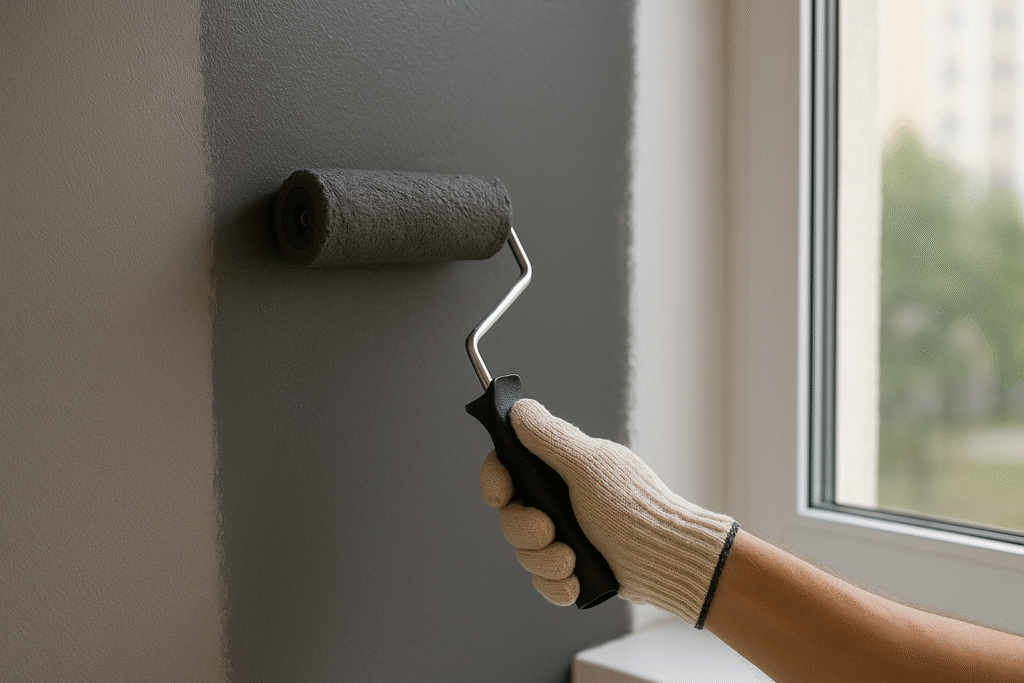
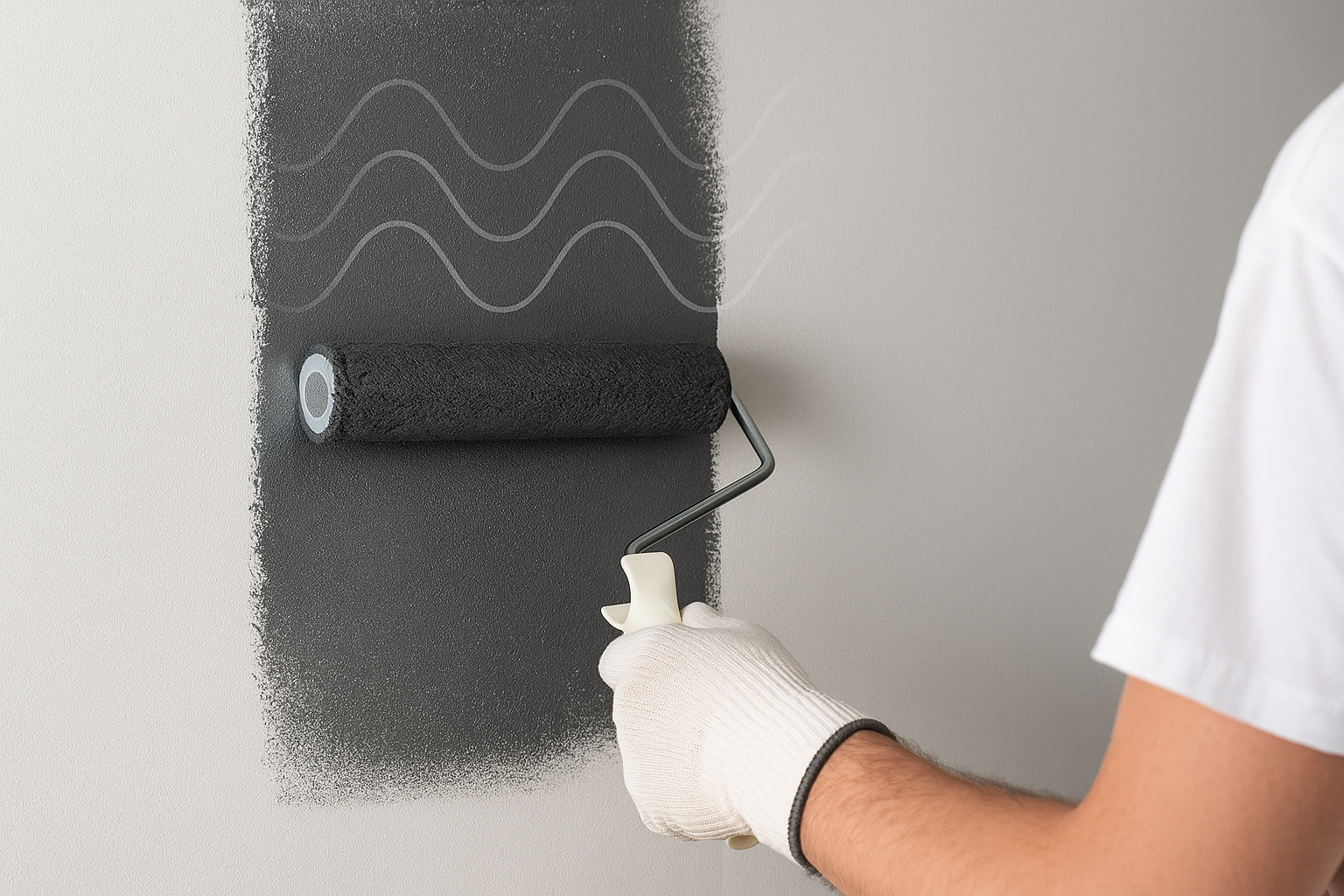
3. Apply the Copper Paint
- Use a high-quality roller or HVLP sprayer
- Apply two coats minimum
- Maintain even layer thickness
- Avoid mixing with standard paints
4. Install Proper Grounding
Grounding is critical for copper paint’s performance.
Use:
- Grounding plates
- Copper grounding tape
- Manufacturer-approved hardware
5. Apply a Standard Topcoat
Any latex or acrylic paint can be applied on top.
This covers the metallic appearance without affecting performance.
Main installation mistakes to avoid
- Failing to ground the shield
- Too thin of a coating
- Applying only one coat
- Painting over wet or dirty surfaces
- Mixing copper paint with other materials
Following correct installation ensures the highest possible RF attenuation.
Leading Copper Paint Brands (2026 Overview)
While not as common as carbon-based shielding paint, several industry-leading manufacturers produce copper shielding coatings.
Below is a brand comparison.
1. Faraday Structures – EMCoat Copper Series
(Included in your EMF Industry Product Specs Library)
Faraday Structures manufactures advanced RF shielding systems, including copper-based conductive coatings.
Features:
- High copper content
- Excellent conductivity and reflectivity
- Designed for professional RF installations
- Works seamlessly with EMShield Wallpaper and EMCaulk
- Stable across GHz ranges
Best for:
- Secure facilities
- Corporate privacy rooms
- Technical installations requiring documented shielding performance
2. YShield – CopperShield Experimental & Industrial Series
While YShield is known primarily for carbon and nickel paints, they also produce limited-run copper shielding coatings for industrial applications.
Features:
- Extremely high conductivity
- Water-based formula
- High attenuation values
- Compatible with standard topcoats
Best for:
- Industrial EMC applications
- Specialized technical environments
3. Safe Living Technologies – Copper Shielding Coating
Safe Living Technologies offers copper-based shielding products within their advanced RF control lineup.
Features:
- Strong RF reflectivity
- High conductivity
- Wide frequency attenuation
- Designed to integrate with grounding plates and EMF meters
Best for:
- High-end residential shielding
- Research settings
- Corporate digital privacy rooms
4. Industrial Copper-Based RF Coatings
Various industrial manufacturers produce copper-loaded coatings for use in:
- Aerospace
- Automotive electronics
- EMI-protected enclosures
- Communications infrastructure
These coatings often provide some of the highest shielding performance available but may require professional application.
How to Choose the Right Copper Paint
Choosing the best copper paint comes down to your priorities and environment.
Factors to consider:
1. Level of Attenuation Required
For high-security rooms, 80–100 dB products may be necessary.
2. Size and Type of Room
Bedrooms require less than labs or secure communication rooms.
3. Budget
Copper is one of the more expensive shielding materials.
4. Frequency Range of Concern
Copper shines in both low-frequency and GHz environments.
5. Compatibility With Other Shielding Layers
Copper works extremely well with:
- Shielding wallpaper
- Shielded caulk
- RF window film
- Grounding systems
For whole-room Faraday environments, a multi-layer approach is recommended.
Building a Complete Shielded Room With Copper Paint
A full RF-controlled environment typically includes:
- Two coats of copper paint
- Grounding plates or copper tape
- RF window film
- Shielding caulk
- Optional conductive mesh
- Standard topcoat
This approach ensures strong and consistent RF attenuation from all walls and surfaces.
Internal Resource for Readers
For more shielding products and comparisons, see our pillar guide:
https://frequencyblockers.com/best-faraday-bags-2026/
Key Takeaways
- Copper paint is one of the most conductive and high-performing materials for RF and EMF shielding.
- It blocks and reflects wireless signals including WiFi, 5G, Bluetooth, smart meters, and cellular networks.
- It offers 50–100 dB of attenuation depending on application and thickness.
- Proper installation requires two coats and grounding.
- Top brands include Faraday Structures, YShield, and Safe Living Technologies.
- Copper paint is ideal for secure rooms, labs, privacy spaces, medical facilities, and low-EMF homes.
References
- https://www.faradaystructures.com
- https://www.yshield.com
- https://www.safelivingtechnologies.com
- https://frequencyblockers.com/best-faraday-bags-2026/
- IEEE Shielding Effectiveness Standards
- ASTM D4935 RF Shielding Test Method
Featured Products
Looking for quality EMF protection? Check out these recommended products:
Frequently Asked Questions
Does copper paint actually block EMF radiation, and how effective is it compared to other shielding materials?
Yes, copper paint is highly effective at blocking EMF radiation because copper is one of the most conductive metals on earth. It works through three mechanisms: reflection of electromagnetic waves, absorption of RF energy, and conductive dissipation into ground. Copper paint generally outperforms carbon-based paint in attenuation strength, though nickel-coated paint offers comparable results depending on your specific frequency concerns.
What wireless signals and frequencies can copper paint shield against?
Copper paint blocks a wide frequency range including low-frequency electromagnetic fields, WiFi, Bluetooth, smart meters, 5G, and cellular bands. Its broad shielding performance makes it suitable for protecting against multiple modern wireless technologies simultaneously, which is why it’s popular in homes and offices exposed to various RF sources.
Is copper paint difficult to install, and do I need professional help?
Copper paint installation follows a straightforward five-step process: surface preparation, primer application, copper paint application, proper grounding installation, and topcoat sealing. While you can apply it yourself by following the manufacturer’s instructions carefully, improper grounding or surface preparation are common mistakes that reduce effectiveness, so many people choose professional installation to ensure optimal shielding performance.
How much does copper paint cost, and what factors affect the price?
Copper paint pricing varies based on the brand, quality level, and coverage area needed, with leading options including Faraday Structures’ EMCoat Copper Series and YShield’s CopperShield line. Your total investment depends on factors like the attenuation level required, room size, frequency range of concern, and whether you’re combining it with other shielding layers, so it’s important to assess your specific EMF protection needs before budgeting.