EMF-shielding phone cases can create a false sense of security. Your phone needs to emit RF to function, if a case blocked it completely, you’d have no service. Most cases only shield one side.
Watch our quick tip on YouTube Shorts
Get our complete guide with room-by-room strategies and product recommendations.
Why a case cannot simply block the signal
A phone only works if its radio can reach the tower. Any case that truly sealed the radio in would also cut the call, so a case sold as a shield has to leave openings or work on one side only.
That leaves two problems. The signal still goes out the open side, and a phone that finds its link weakened can respond by raising its transmit power. A case that reduces what reaches your body can therefore change what the phone does.
A phone case cannot block the signal the phone needs, and it leaves gaps
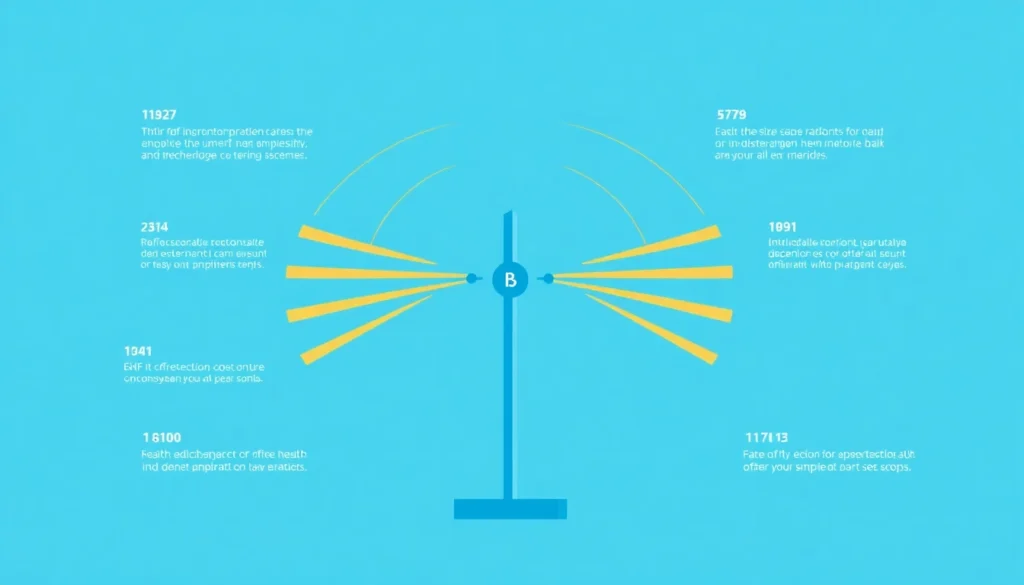
A conductive layer bounces RF
Metal-coated fabric, foil, mesh and conductive paint reflect most incoming radio-frequency energy.
Some energy is lost inside
Thicker or multi-layer materials also absorb part of the signal as it passes through.
Gaps let signals through
Seams, open weaves, zips and unsealed edges leak, and short wavelengths slip through smaller gaps.
Low-frequency magnetic fields pass
Thin fabric or paint does little against 50/60 Hz magnetic fields; distance or special high-permeability metal is needed.
Cases shield partially at best.
How well a material shields depends on the frequency and on how completely it covers the space.
Chart: frequencyblockers.com: A phone case cannot block the signal the phone needs, and it leaves gaps
Embed this chart
Free to reuse on your site. Copy the code below; please keep the credit link.
What independent tests found
Shielding cases are marketed as blocking radiation on the side facing your body while letting signals out the other side, but independent tests of similar add-ons are not reassuring. In simulations of anti-radiation pregnancy bands the average field fell by no more than 30 percent, and the maximum field rose in more than 90 percent of the scenarios [1][2].
Those results come from a different product, a pregnancy band, but the idea is the same: a material placed near a radio source can redirect the field instead of removing it. Whether a given case helps depends on its design and how you hold the phone, and a sales claim does not tell you that.
How to test a case yourself
Test your case with a calibrated RF meter if you want to verify its effectiveness; phone-based signal readings are unreliable because orientation, source position and transmit power all change accuracy [3].
- Take a reading with the phone in the case, at a fixed spot near the phone, during a call or data transfer.
- Repeat with the case off, with the phone in the same position and at the same distance.
- Repeat from the front and the back of the phone, since a one-sided case will read differently from each side.
- Do each reading more than once, because readings jump around as the phone adjusts.
If the two sets of readings are close, the case is not doing much. If the reading on the body side falls while the other side rises, the case is redirecting rather than reducing.
What to rely on instead
The Fix: Do not rely on a shielding case. Use distance, reduced usage time, and airplane mode habits instead.
- Distance: use speaker mode or a wired headset, and put the phone on a table instead of a pocket.
- Time: keep calls short and send a text instead when you can.
- Radios off: use airplane mode when you do not need a connection.
A case can sit on top of these habits, but it should not replace them. The Faraday bag pages explain what a fully sealed enclosure does differently, and the comparison of Faraday bags and airplane mode is a good starting point.
Mission Darkness Faraday Bag
A case only covers part of the phone while it keeps transmitting. A sealed Faraday bag stops the phone connecting at all, which is the full version of what cases promise.
What the research says
The International Agency for Research on Cancer (IARC) has classified radiofrequency electromagnetic fields as “possibly carcinogenic to humans” (Group 2B), a rating that rested on limited evidence about brain cancer risk. A WHO-commissioned meta-analysis later found that ever or regular mobile phone use was not associated with glioma (pooled relative risk 1.01), so the case for cutting exposure is precaution and habit, not a demonstrated danger [7][8][9].
Ready for More EMF Protection Tips?
Our complete guide includes 100 actionable strategies for every room in your home, plus product recommendations from our curated collection.
Frequently Asked Questions
Do EMF shielding cases actually protect my phone from radiation?
EMF shielding cases provide limited protection because they typically only shield one side of your phone and cannot block all signals without eliminating your service. A case that blocked RF completely would prevent your phone from functioning, so these cases create a false sense of security rather than comprehensive protection.
Why does my phone need to emit RF signals if I’m trying to reduce EMF exposure?
Your phone must emit radio frequency signals to connect to cell towers, send data, and maintain service. Completely blocking these emissions would make your phone unusable, which is why shielding cases alone cannot be your only EMF protection strategy.
What’s a better approach than relying only on shielding cases for EMF protection?
A more effective strategy combines multiple methods rather than depending solely on cases. Consider using Faraday pouches when you’re not using your phone, maintaining distance from your device, and implementing room-by-room EMF reduction strategies as part of a comprehensive protection plan.
How can I measure whether my EMF protection efforts are actually working?
You can track your success by monitoring your daily device usage patterns, remembering that in blinded tests, symptoms reported by people who consider themselves EMF-sensitive followed what they believed the exposure was, not the real exposure [4][5][6], and using the step-by-step implementation strategies outlined in comprehensive EMF protection guides. Combining multiple protection methods and measuring consistency in your approach helps you assess real progress.
References
- Fatemeh Dehrouyeh et al. On the Shielding Effectiveness of Anti-Electromagnetic-Radiation Clothes for Pregnant Females. (2023). doi:10.36227/techrxiv.22890860.v1
- Samuel Osei et al. Analysis of Attenuation Effectiveness of Anti-Radiation Phone Shields. Journal of Science and Technology (Ghana) (2025). doi:10.4314/just.v43i3.6
- Yanis Boussad et al. Evaluating Smartphone Accuracy for RSSI Measurements. IEEE Transactions on Instrumentation and Measurement (2021). doi:10.1109/tim.2020.3048776
- Eltiti S et al. Symptom Presentation in Idiopathic Environmental Intolerance With Attribution to Electromagnetic Fields: Evidence for a Nocebo Effect Based on Data Re-Analyzed From Two Previous Provocation Studies. Frontiers in psychology (2018). PMID 30210397
- Rubin GJ et al. Idiopathic environmental intolerance attributed to electromagnetic fields (formerly 'electromagnetic hypersensitivity'): An updated systematic review of provocation studies. Bioelectromagnetics (2010). PMID 19681059
- Rubin GJ et al. Electromagnetic hypersensitivity: a systematic review of provocation studies. Psychosomatic medicine (2005). PMID 15784787
- Mireille B. Toledano et al. Cohort profile: UK COSMOS, a UK cohort for study of environment and health. International Journal of Epidemiology (2015). PMID 26534947
- International Agency for Research on Cancer IARC classifies radiofrequency electromagnetic fields as possibly carcinogenic to humans (Press release 208). International Agency for Research on Cancer (2011). source
- Karipidis K et al. The effect of exposure to radiofrequency fields on cancer risk in the general and working population: A systematic review of human observational studies – Part I: Most researched outcomes. Environment international (2024). PMID 39241333
These statements have not been evaluated by the Food and Drug Administration. This information is not intended to diagnose, treat, cure, or prevent any disease. Content is for informational purposes only and is not medical advice; consult a qualified healthcare provider before starting any supplement. As an Amazon Associate we earn from qualifying purchases.