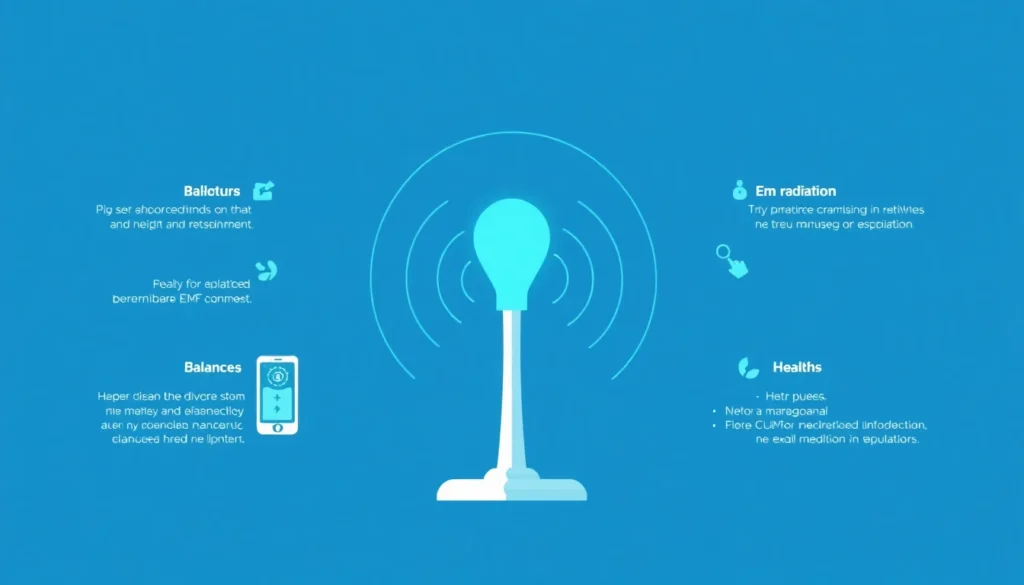
Passive keyless fobs are designed to talk to the car only within about one meter, and thieves use relay devices to stretch that range and steal the car [1][2].
Get our complete guide with room-by-room strategies and product recommendations.
How a relay attack gets around the one meter limit
A keyless fob listens for a short-range signal from the car and answers when it hears one. It does this all day, including while it hangs on a hook by your front door. The car does not know where the fob is, only that it replied.
A relay attack uses that trust. One thief holds a device near the house and picks up the fob’s reply through the wall. A partner at the car repeats it, and the car believes the fob is standing next to it.
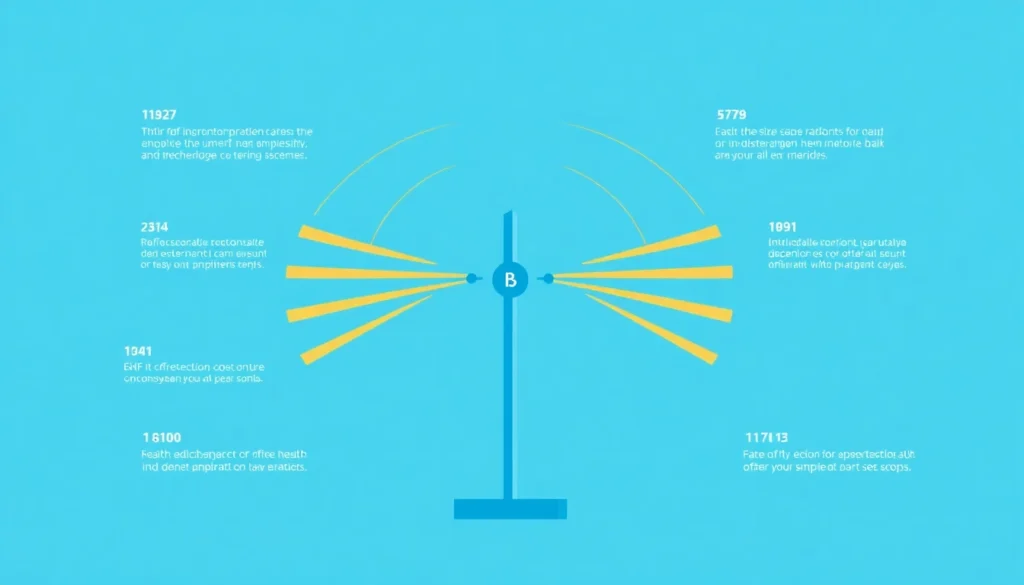
A relay attack hears your fob through the wall, and a pouch stops it
A sealed fob cannot be heard by the relay.
Sequence of a relay attack on passive keyless entry; it needs no access to the key itself.
Data table
| Step | Stage | What happens |
|---|---|---|
| 1 | Fob at home | Your key fob sits inside, near the door, answering any car that asks |
| 2 | Relay near door | One device picks up the fob's reply from outside the house |
| 3 | Relay at car | A second device beside the car repeats it |
| 4 | Car opens | The car believes the fob is next to it and unlocks or starts |
Chart: frequencyblockers.com: A relay attack hears your fob through the wall, and a pouch stops it
Embed this chart
Free to reuse on your site. Copy the code below; please keep the credit link.
A conductive pouch breaks the chain at the first step. Sealed inside, the fob cannot hear the car’s request and its reply cannot leave, so there is nothing for the relay device to pick up.
Setting it up so the pouch actually works
- Keep the fob in the pouch whenever you are home, including overnight, and fold or seal the opening exactly as the maker describes.
- Take the fob out only when you are about to use the car, and put it back in the pouch when you get home.
- Use one pouch per fob, and keep spare fobs sealed too. A forgotten spare in a drawer is as easy to relay as the one you carry.
- Do not let a gap form at the opening. A half-closed pouch leaves a path for the signal.
Car Key Fob Faraday Pouch
A small Faraday pouch for the key fob. Test it by walking up to the car with the fob sealed inside: the doors should stay locked.
View Product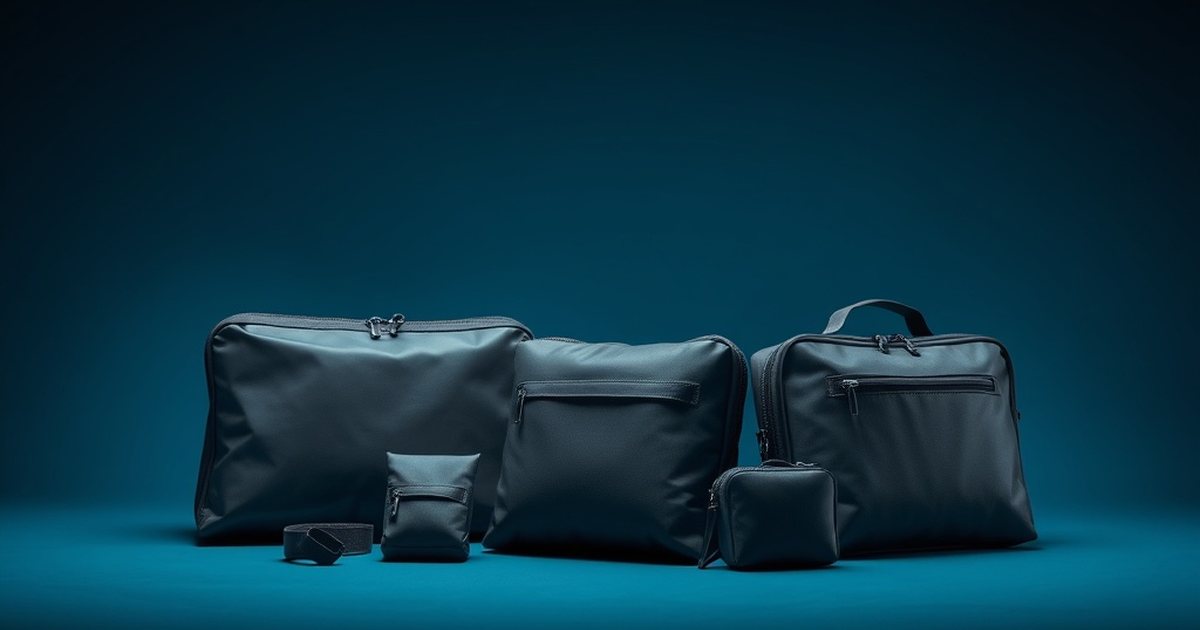
For a broader look at what these pouches are made of, the guide to Faraday bags versus Faraday cages covers the differences.
How to test a pouch before you trust it
Not every pouch works. In a field test of forensic phone-shielding devices, most test cases still reached the phone. To check a key fob pouch, seal the fob inside and try to unlock the car from right next to it; if the doors still respond, the pouch is leaking [4].
Do the test with the pouch fully sealed and repeat it with the fob in different positions inside, since a corner or fold can leak. Run it again after a few weeks, because creases and wear in the conductive layer can open a gap over time.
A pouch does not need a meter to prove itself. The car is the instrument: if it responds, the pouch fails. An RF meter is a poor fit here because key fob signals are brief and low power.
What this does and does not cover
A properly sealed pouch blocks the fob’s reply that this type of relay theft depends on, and it also quiets the fob’s radio while it is stored. It does not stop a thief who breaks a window, plugs into the car’s diagnostic port or copies a key by another route. Treat it as one layer next to a steering lock or a locked garage.
The exposure case is thin by comparison. A fob transmits only briefly when the car asks, so the theft protection is the stronger reason to bother.

Ready for More EMF Protection Tips?
Our complete guide includes 100 actionable strategies for every room in your home, plus product recommendations from our curated collection.
Get the Complete GuideFrequently Asked Questions
Why should I use a Faraday bag for my car keys?
Modern car key fobs constantly broadcast RF signals that expose you to radiation when kept in your pocket, and thieves can amplify these signals to steal your vehicle. A Faraday bag shields these signals, protecting both your health from continuous EMF exposure and your car from relay attacks. This simple solution addresses the root cause of the problem rather than just treating symptoms.
How does a Faraday bag actually block RF signals from car keys?
A Faraday bag uses conductive materials that create an electromagnetic shield, preventing radio frequency signals from entering or leaving the bag. When your car key fob is inside, it cannot broadcast its signal to your car or allow thieves to amplify the signal for theft. This blocking effect is based on the Faraday cage principle, one of the most effective EMF protection strategies available.

What health risks come from carrying an unshielded car key fob in my pocket?
A key fob is a small radio that talks to the car only within about one meter by design, and the FDA says the weight of scientific evidence has not linked cell phone radio frequency radiation with any health problems. Using a Faraday bag is mainly a car-theft precaution [1][3].
Can thieves really steal my car using my key fob signal?
Yes, thieves can use signal amplification devices to capture and boost your car key fob’s RF signal from a distance, allowing them to unlock and start your vehicle without having the physical key. This relay attack method is a growing concern for modern vehicle owners. Using a Faraday bag prevents thieves from accessing your key fob’s signal in the first place, making it an effective security measure.

References
- Wonsuk Choi et al. Sound-Proximity: 2-Factor Authentication against Relay Attack on Passive Keyless Entry and Start System. Journal of Advanced Transportation (2018). doi:10.1155/2018/1935974
- Aurélien Francillon et al. Relay Attacks on Passive Keyless Entry and Start Systems in Modern Cars. (2010). source
- US Food and Drug Administration Scientific Evidence for Cell Phone Safety. US Food and Drug Administration (current). source
- Eric Katz et al. A field test of mobile phone shielding devices. Purdue e-Pubs (Purdue University System) (2011). source
These statements have not been evaluated by the Food and Drug Administration. This information is not intended to diagnose, treat, cure, or prevent any disease. Content is for informational purposes only and is not medical advice; consult a qualified healthcare provider before starting any supplement. As an Amazon Associate we earn from qualifying purchases.