Oscilloscopes for EMF Testing: A Comprehensive Guide to High-Precision Electrical Waveform Analysis
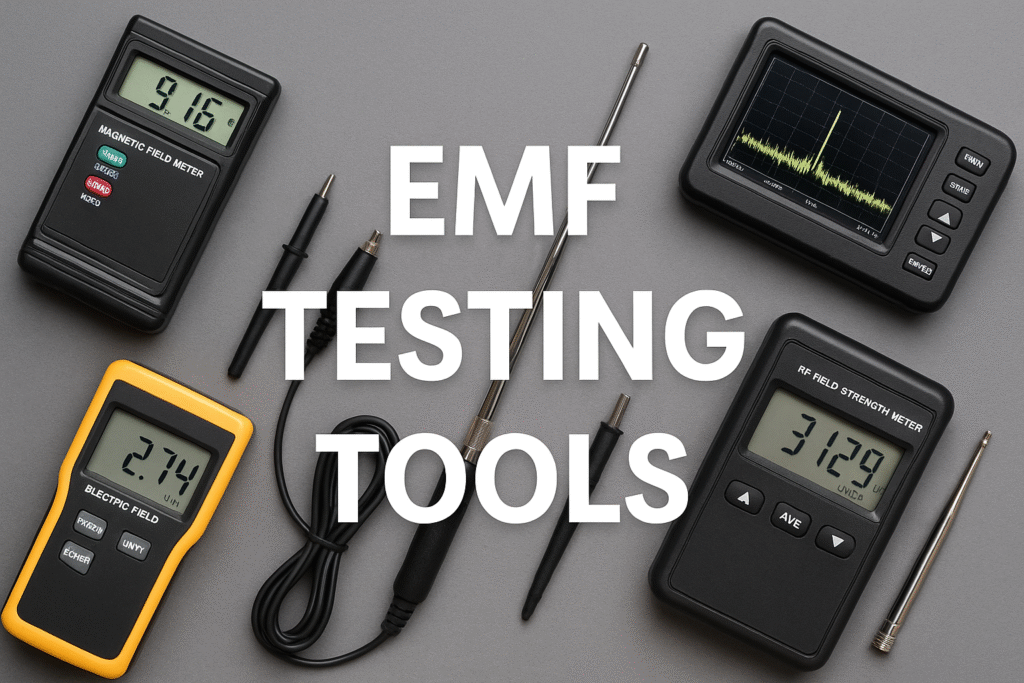
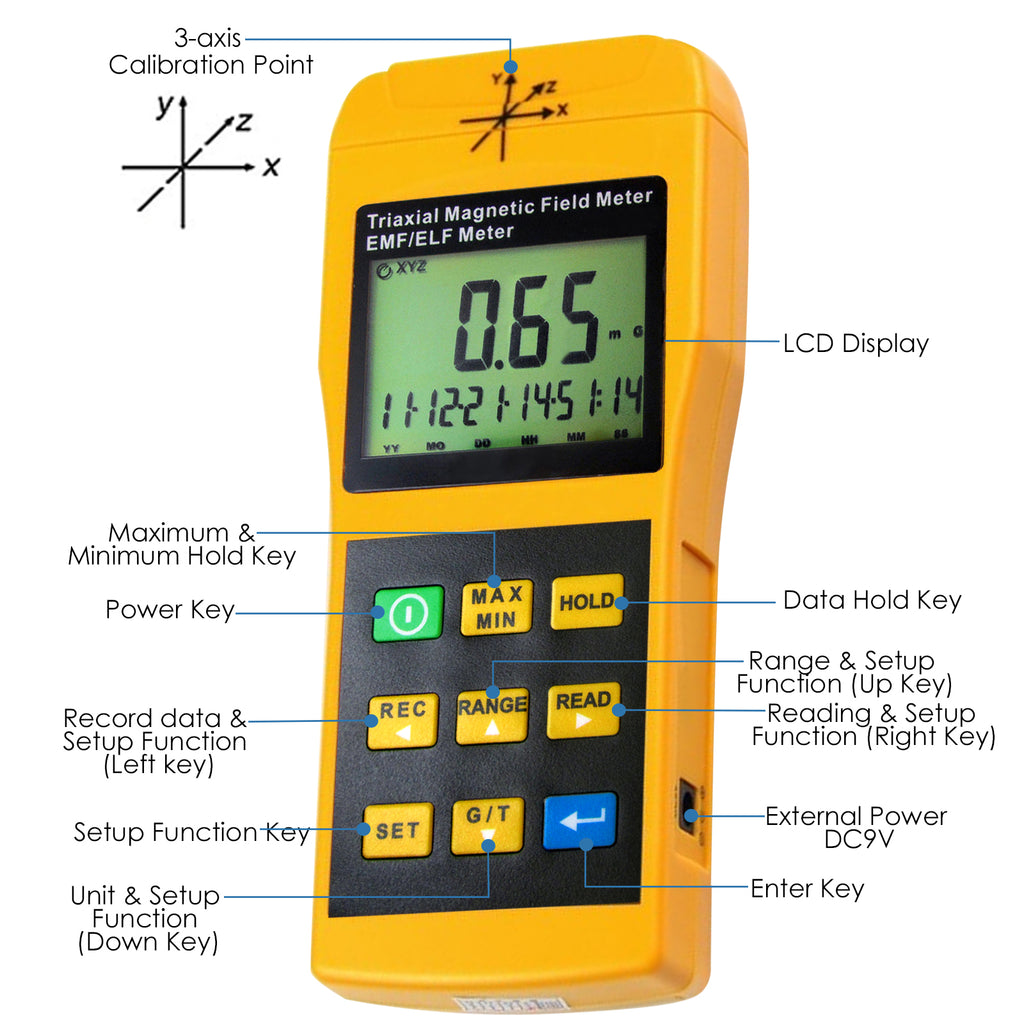
Most EMF testing relies on handheld meters designed to measure electric fields, magnetic fields, radiofrequency emissions, or dirty electricity. While these tools are ideal for quick assessments, they cannot display the real-time electrical waveforms behind the readings. Professionals who need deeper diagnostic clarity often turn to Oscilloscopes for EMF Testing, high-precision instruments capable of revealing the shape, frequency, distortion, and transient behavior of electrical signals.
Oscilloscopes provide a level of detail unmatched by standard EMF meters. They expose hidden wiring problems, waveform distortion, harmonic interference, switching noise, and transient spikes that can influence EMF levels throughout a building. This guide explains how Oscilloscopes for EMF Testing work, when to use them, and how they complement traditional EMF tools. For an overview of all recommended testing equipment, visit:
https://frequencyblockers.com/emf-testing-tools/
Why Oscilloscopes for EMF Testing Matter
Oscilloscopes are not typically used by everyday consumers, but they are indispensable for advanced EMF diagnostics because they allow you to see what most meters only summarize. While meters show a number, oscilloscopes show the waveform itself—its peaks, distortions, spikes, and irregularities.
Oscilloscopes reveal details such as:
- Harmonic distortion on electrical lines
- Dirty electricity transients
- Switching power supply noise
- Faulty wiring signatures
- Interference patterns from electronic devices
- Grounding irregularities
- Voltage sag, swell, and ripple
These waveform anomalies often correlate with elevated EMF levels in a home or workplace, and identifying them enables more targeted mitigation.
How Oscilloscopes for EMF Testing Work
Oscilloscopes measure voltage over time and display the waveform on a screen. For EMF diagnostics, they are typically paired with specialized probes to ensure safe and precise readings.
Core components include:
1. Input Channels
Allow simultaneous measurement of multiple signals, helpful when comparing circuits.
2. Vertical System
Controls voltage scale and resolution.
3. Horizontal System
Controls time base and sweep speed.
4. Triggering System
Stabilizes the waveform so irregular signals can be analyzed accurately.
5. Display
Shows the waveform graph in real time.
Using Oscilloscopes for EMF Testing allows inspectors to verify what type of electrical irregularity exists and whether it correlates with user concerns.
Types of Oscilloscopes for EMF Testing
1. Digital Storage Oscilloscopes (DSOs)
The most common type used in EMF analysis.
- Capture and store waveforms
- Provide detailed resolution
- Allow zooming and data logging
2. Portable Handheld Oscilloscopes
- Battery-powered
- Ideal for on-site EMF inspections
- Lightweight and rugged
3. USB Oscilloscopes
- Connect to laptops
- Affordable diagnostic tools
- Rely on computer software for display and control
4. Mixed Signal Oscilloscopes
- Combine standard voltage channels with logic analysis
- Useful for diagnosing smart home devices and IoT systems
5. Power Quality Analyzers with Oscilloscope Mode
- Built specifically for electrical diagnostics
- Provide harmonics, frequency, and waveform distortion data in unified graphs
When to Use Oscilloscopes for EMF Testing
Oscilloscopes are typically used when a handheld EMF meter detects unusual readings or when a client reports symptoms or interference concerns that do not align with basic meter results.
1. Diagnosing Dirty Electricity
Oscilloscopes show the exact waveform spikes that dirty electricity meters summarize numerically.
2. Identifying Harmonic Distortion
Appliances, solar inverters, and dimmers inject nonlinear loads back into the electrical system, which oscilloscopes can visualize.
3. Evaluating Grounding Systems
Poor grounding results in distinctive waveform abnormalities.
4. Detecting Switching Noise
Switch-mode power supplies (found in phone chargers, routers, LED drivers, etc.) leave signature high-frequency artifacts.
5. Troubleshooting Wiring Problems
Loose neutrals, overloaded circuits, and incorrect bonding appear as waveform irregularities.
6. Investigating Appliance Interference
HVAC compressors, refrigerators, and motors often cause repeating transient patterns.
How to Use Oscilloscopes for EMF Testing (Step-by-Step)
Because oscilloscopes interface directly with electrical systems, they must be used carefully and correctly.
Step 1 — Choose the Appropriate Probe
For EMF diagnostics, inspectors often use:
- Voltage probes for line noise
- Differential probes for safe measurement across circuits
- Current probes for analyzing magnetic field-generating loads
Step 2 — Set the Voltage Scale
Start with a higher range for safety, then reduce for detail.
Step 3 — Adjust the Time Base
Fast sweeps capture high-frequency noise; slower sweeps reveal long-term anomalies.
Step 4 — Trigger the Waveform
Use edge triggering to stabilize periodic patterns; use single-shot mode for transient capture.
Step 5 — Analyze Distortion
Look for:
- Flattened peaks
- Uneven sine waves
- High-frequency oscillations
- Random spikes
- Repeating transients
Step 6 — Compare Circuits
Testing multiple outlets reveals whether the problem is localized or system-wide.
Step 7 — Document Results
Screenshots, logs, and waveform captures help guide remediation.
Interpreting Oscilloscope Waveforms for EMF Diagnostics
Oscilloscopes reveal abnormalities such as:
1. High-Frequency Spikes
Indicate dirty electricity or switching noise.
2. Distorted Sine Waves
Suggest harmonic interference or nonlinear loads.
3. Square-Wave Signatures
Often come from LED drivers or smart system controls.
4. Sudden Voltage Drops
May reveal overloaded circuits.
5. Ripple on the DC Bus
Found in solar systems and inverter circuits.
6. Constant Random Noise
Often correlates with nearby wireless devices, although oscilloscopes do not measure RF directly.
While oscilloscopes do not measure EMF fields themselves, they expose the root causes of elevated EMF.
Advantages of Oscilloscopes for EMF Testing
- High diagnostic accuracy
- Direct visualization of electrical noise
- Essential for complex or unexplained EMF issues
- Ideal for validating mitigation strategies
- Useful for both residential and commercial assessments
Oscilloscopes provide insights no other EMF instrument can match.
Limitations of Oscilloscopes for EMF Testing
- Require electrical knowledge for safe use
- Do not directly measure RF fields
- More expensive than standard EMF meters
- Setup and interpretation can take time
- Probes must be selected appropriately
Despite these limitations, oscilloscopes remain the gold standard for identifying the electrical root of EMF issues.
Price Ranges for Oscilloscopes for EMF Testing
| Category | Typical Price | Best For |
|---|---|---|
| Entry-Level USB Scopes | $80–$200 | Basic waveform visibility |
| Mid-Range DSOs | $200–$800 | EMF inspectors, electricians |
| Professional Scopes | $800–$4,000+ | Advanced diagnostics, engineering |
| Power Quality Analyzers | $1,000–$8,000+ | Full electrical system analysis |
Most EMF practitioners find mid-range digital scopes ideal for home and office assessments.
Oscilloscopes vs. Dirty Electricity Meters
| Dirty Electricity Meters | Oscilloscopes for EMF Testing |
|---|---|
| Provide simplified numerical values | Provide full waveform visualization |
| Easy for homeowners | For professionals and advanced users |
| Identify general levels | Identify exact causes and patterns |
| Quick screening | Precise diagnostics |
Using both tools provides a comprehensive understanding of wiring-related EMF problems.
How Oscilloscopes Fit Into a Full EMF Assessment
A complete assessment typically involves:
- Gauss meters
- Electric field meters
- RF spectrum analyzers
- Dirty electricity meters
- Oscilloscopes for EMF Testing for root-cause analysis
Oscilloscopes often serve as the final diagnostic tool when unexplained exposure patterns remain.
FAQs About Oscilloscopes for EMF Testing
Do oscilloscopes measure RF exposure?
No, but they reveal electrical problems that may contribute indirectly to EMF.
Are oscilloscopes safe for homeowners to use?
They should be used by trained individuals due to electrical risk.
Can oscilloscopes confirm dirty electricity?
Yes, by visually displaying the transients and harmonics.
Do wireless devices affect the waveform?
Indirectly—wireless chargers and switching supplies often distort the electrical system.
Key Takeaways
- Oscilloscopes for EMF Testing reveal waveform-level details that handheld EMF meters cannot show.
- They diagnose harmonic distortion, transients, switching noise, and grounding problems.
- Essential for advanced troubleshooting when EMF concerns persist after basic testing.
- Provide precise insights that guide targeted mitigation.
- For additional EMF testing tools, visit:
https://frequencyblockers.com/emf-testing-tools/
References
- National Institute of Standards and Technology (NIST) – Electrical Waveform Analysis
https://www.nist.gov - Frequency Blockers – EMF Testing Tools Overview
https://frequencyblockers.com/emf-testing-tools/
Recommended EMF Testing Equipment
Ready to start testing? Check out our top-rated EMF meters:
- Safe and Sound Pro II RF Meter
- Safe and Sound Classic II RF Meter
- Safe and Sound Pro mmWave 20GHz Meter
Browse all EMF protection products →
Frequently Asked Questions
What’s the difference between a handheld EMF meter and an oscilloscope for EMF testing?
Handheld EMF meters give you quick numerical readings of electric fields, magnetic fields, or RF emissions, but oscilloscopes for EMF testing show you the actual electrical waveforms in real-time. This means oscilloscopes reveal critical details like signal distortion, harmonics, and transient behavior that basic meters cannot display.
Can I use an oscilloscope to diagnose dirty electricity in my home?
Yes, oscilloscopes are one of the most effective tools for diagnosing dirty electricity because they display harmonic distortion and waveform irregularities on your electrical circuits. You can connect a probe to your outlets or wiring to see exactly how clean or contaminated your power supply is, which standard meters cannot show.
How much does a good oscilloscope cost for EMF and electrical testing?
Oscilloscope prices vary widely depending on type and specifications, with portable handheld models starting around $200-$500, USB oscilloscopes ranging from $100-$400, and professional digital storage oscilloscopes costing $1,000 to $5,000 or more. Your budget depends on whether you need basic diagnostics or advanced multi-channel professional analysis.
What types of electrical problems can an oscilloscope help me identify?
Oscilloscopes can help you detect dirty electricity, harmonic distortion, switching noise from appliances, grounding system faults, wiring problems, and voltage drops. You can also identify square-wave signatures from electronic devices, high-frequency spikes, and ripple on power supplies that may be contributing to EMF exposure in your environment.