

EMF Tip #69: Never Use Wireless Earbuds
Earbuds are Bluetooth radios placed as near the head as a device gets. Measured readings are low, so wired earphones are a modest option rather than a must.
100 practical tips to reduce EMF radiation exposure in your home and daily life.
Earbuds are Bluetooth radios placed as near the head as a device gets. Measured readings are low, so wired earphones are a modest option rather than a must.

A fitness band uses a small Bluetooth radio worn against the skin. Measured fields from such devices are low, so removing it is a modest and optional step.

A worn radio is not automatically a strong source, since smart watch radios work at low power. Taking it off, or turning off its radios, cuts that contact time.
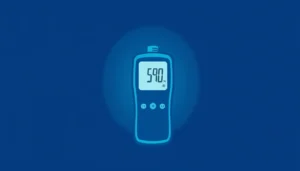
A body voltage meter compares spots in a room, since some reading is normal near mains wiring. A high reading where you sleep may point to wiring worth a check.

Many utilities let customers opt out of a smart meter and have an analog meter put back. This covers who to contact and what the request involves.
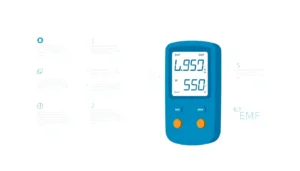
A smart meter sends brief bursts and stays quiet between them. A conductive mesh shield cuts the signal, though the starting level is already low.

The breaker panel’s magnetic field is strongest right at the box and falls off quickly. Keeping seats and beds a little further away lowers the exposure.

A plugged-in device is still part of the circuit, and many keep a small standby circuit running. Unplugging takes that source out of the room completely.
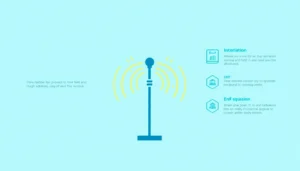
An energized circuit has an electric field even when nothing draws power. Switching unused circuits off at the breaker removes the whole circuit from the room.
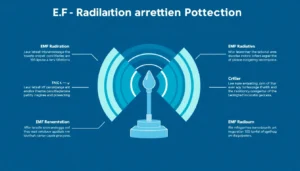
Metal water and gas pipes can carry stray current if they are not bonded properly. A check confirms the grounding, though a health link is only a hypothesis.
Wiring faults, such as current returning by the wrong path, can raise magnetic fields in a home. An electrician can test for them, and often finds nothing.
The driver inside an LED or CFL bulb is a small power supply that can add wiring noise. Incandescent bulbs avoid it, though health effects remain unshown.