What It Is, How It Works, and Why People Are Wearing It
Our world runs on invisible frequencies. Every smartphone ping, Wi-Fi signal, Bluetooth connection, and 5G tower hums with electromagnetic energy: together forming what scientists call electromagnetic fields, or EMFs.
For most people, these signals are just part of modern life. But for a growing number of health- and privacy-conscious consumers, reducing exposure to EMF frequencies has become a new form of personal wellness, and EMF protective clothing is one of the most practical tools to do it.
What Is EMF Protective Clothing?
EMF protective clothing refers to garments woven with conductive materials (like silver, copper, or stainless-steel threads) that block or reduce electromagnetic radiation.
This category includes everything from shirts and hoodies to maternity belly bands and even underwear. These garments work by creating a physical barrier between the body and electromagnetic fields, similar to how a Faraday cage protects electronics from interference.
The Science in Simple Terms
Electromagnetic fields (EMFs) exist along a spectrum. Common household sources include:
- Radio frequencies (RF): Wi-Fi, Bluetooth, cellular, smart meters
- Low-frequency (ELF) fields: Power lines, wiring, home appliances
- Microwave frequencies: 2.4 GHz and 5 GHz Wi-Fi routers
EMF protective clothing is primarily designed to shield against RF frequencies, typically between 30 MHz and 30 GHz, which covers most wireless communication signals.
These frequencies correspond to the same types of radiation emitted by your phone, router, smartwatch, and other connected devices.
How EMF Protective Clothing Works
Conductive Fabric Shielding
When electromagnetic radiation encounters a conductive surface, its electric component induces a current in that surface. The current then produces an opposing field that cancels or reflects the incoming wave, effectively stopping it from passing through.
Research note: A cotton/polyester fabric with woven-in stainless-steel threads lost shielding effectiveness steadily with liquid-detergent washing: 3.28 dB at 0.9 GHz, 3.8 dB at 1.8 GHz, 4.64 dB at 2.1 GHz and 6.17 dB at 2.4 GHz after 10 cycles [6].
Protective clothing reflects some RF but cannot stop every kind of field
A conductive layer bounces RF
Metal-coated fabric, foil, mesh and conductive paint reflect most incoming radio-frequency energy.
Some energy is lost inside
Thicker or multi-layer materials also absorb part of the signal as it passes through.
Gaps let signals through
Seams, open weaves, zips and unsealed edges leak, and short wavelengths slip through smaller gaps.
Low-frequency magnetic fields pass
Thin fabric or paint does little against 50/60 Hz magnetic fields; distance or special high-permeability metal is needed.
Fabric shields RF well and low frequency poorly
How well a material shields depends on the frequency and on how completely it covers the space.
Chart: frequencyblockers.com: Protective clothing reflects some RF but cannot stop every kind of field
Embed this chart
Free to reuse on your site. Copy the code below; please keep the credit link.
By weaving ultra-fine conductive fibers (like silver or copper) into fabric, manufacturers create a flexible, breathable shielding mesh that provides measurable attenuation (signal reduction).
For example, SYB (Shield Your Body) and Lambs report attenuation levels between 40 and 80 dB, meaning a reduction of 99.99% to 99.999999% of incoming EMF energy across Wi-Fi and cellular bands. (shieldyourbody.com, getlambs.com)
What Frequencies Does EMF Clothing Block?
The range depends on the material composition, but most high-quality EMF protective clothing is tested across:
| Frequency Band | Source | Typical Shielding Range |
|---|---|---|
| 30 MHz: 1 GHz | AM/FM radio, older cellular | 40 to 80 dB |
| 1 GHz: 6 GHz | Wi-Fi (2.4 GHz/5 GHz), Bluetooth, 4G/5G mid-band | 50 to 90 dB |
| 6 GHz: 30 GHz | 5G mmWave, advanced radar | 20 to 70 dB (depends on fabric density) |
| 50 Hz: 60 Hz | Power lines (ELF) | Little effect on magnetic fields; grounded fabric reduces electric fields only |
The higher the frequency, the shorter the wavelength, and the more easily signals slip through gaps, seams and open weaves, so coverage and fit matter as much as the fabric. That’s why dense weaves and higher metal content typically provide better high-frequency attenuation.
Types of EMF Protective Clothing
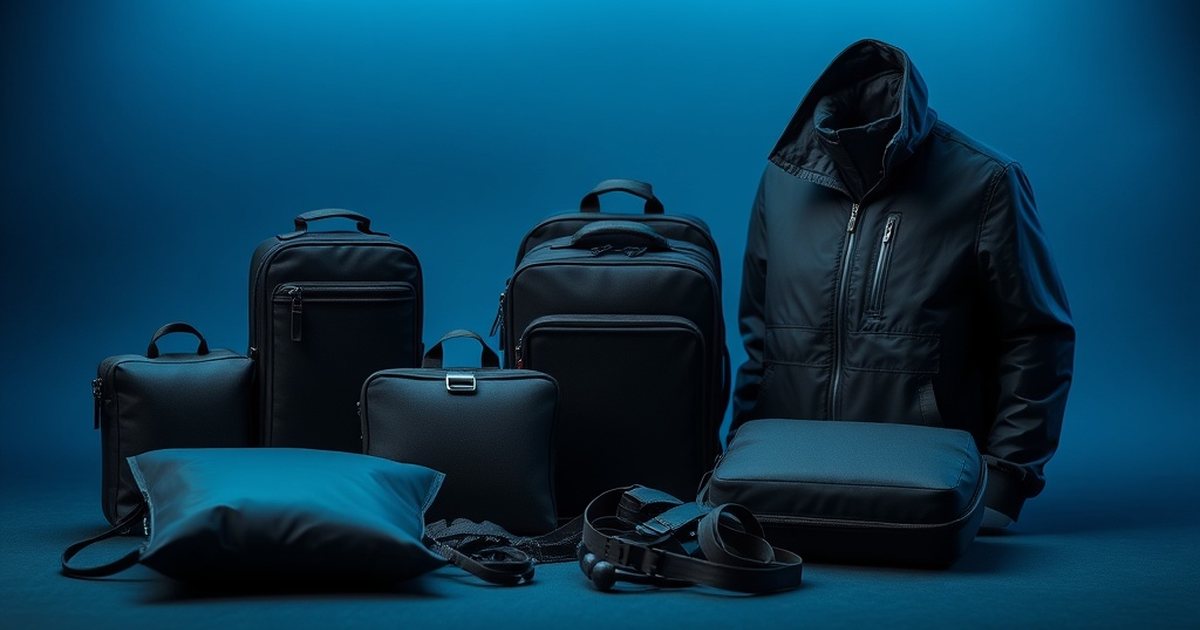
The market for EMF-blocking garments is expanding quickly. Here are the most common types available today:
1. Everyday Apparel
- T-shirts, hoodies, leggings, and jackets woven with silver or copper fibers.
- Designed for comfort while blocking RF fields near the torso.
- Brands: Lambs, BlocWave, SYB.
2. Underwear and Loungewear
- Shields reproductive organs and lower body areas most exposed to phone or laptop radiation.
- Popular among men concerned with fertility or those who keep phones in pockets.
3. Maternity and Pregnancy Wear
- Belly covers and wraparound panels that protect the abdomen from external RF signals.
- Common materials: silver-cotton or nickel-nylon fabrics.
- Brands: Belly Armor, RadiaSmart, SYB.
4. Sleepwear
- Pajamas and blankets that reduce exposure during rest.
- Designed to maintain comfort and breathability while blocking night-time EMF frequencies.
5. Accessories
- Hats, beanies, gloves, and scarves to cover sensitive areas such as the head or neck.
- Masks and eye covers are available for those seeking full-body shielding.
How Effective Is EMF Protective Clothing?
Measuring Shielding
The effectiveness of EMF protective fabrics is typically expressed in decibels (dB), the same unit used in acoustics and signal loss.
- 20 dB = 99% of incident power blocked
- 40 dB = 99.99% of incident power blocked
- 60 dB = 99.9999% of incident power blocked
- 80 dB = 99.999999% of incident power blocked
Testing is often conducted under IEEE 299 or ASTM D4935-18 standards, but results depend on frequency and test setup (one silver-coated knit gave 24.1 dB at 2.4 GHz but only 14.8 dB at 0.9 GHz), so treat brand figures as best-case [1][2][3].
For example:
- Lambs SilverFlex™ fabric: ~50 to 80 dB attenuation, 0.1 GHz-20 GHz.
- BlocWave Silver Fabric: up to 99.99% at 2.4 GHz.
- SYB Cotton-Silver Hoodie: 40 to 60 dB attenuation, 30 MHz-18 GHz.
Real-World Results
Effectiveness can drop if:
- The garment isn’t in full contact with the skin.
- The clothing is damaged, stretched, or washed improperly.
- There are gaps (e.g., open sleeves or collars) allowing signal penetration.
However, a garment may lower exposure only modestly. In simulations of anti-radiation pregnancy bands at 0.9, 1.8 and 2.4 GHz, the average field fell by no more than 30 percent even with a gap-free band, and the maximum field rose in more than 90 percent of the scenarios. Router and smart meter exposure is also low to begin with: smart meters transmit so rarely (duty cycle at most 1%) that individually they add little to a home’s exposure [4][5].
What EMF Clothing Can’t Do
- It can’t eliminate all EMFs, especially very low-frequency magnetic fields.
- It won’t “detoxify” or cure health conditions.
- It won’t stop your phone from functioning (though it may reduce signal strength near the body).
Organizations like the World Health Organization (WHO) and U.S. FCC continue to state that everyday EMF levels are below harmful thresholds. Still, consumers choosing EMF clothing see it as a precautionary tool for comfort and reassurance, not a medical device. (who.int)
Why People Choose EMF Protective Clothing
1. Health & Wellness Awareness
Those who report EMF sensitivity or “electrohypersensitivity” (EHS) often use shielding garments to minimize symptoms like headaches or sleep disruption.
2. Preventive Safety
Parents and expecting mothers buy EMF clothing as part of a “better safe than sorry” mindset, similar to using air purifiers or organic foods.
3. Privacy and Security
Beyond health, EMF-shielding clothing has tactical uses: preventing location tracking or data interception in high-risk environments.
4. Comfort and Style
The best modern designs look and feel like premium athleisure, not science lab gear. This makes daily wear practical and appealing.
Material Innovations
Advances in textile science are pushing EMF protective fabrics beyond simple silver weaves.
Hybrid Fabrics
Combinations of silver, copper, and carbon fibers provide wider frequency coverage.
Graphene-Enhanced Materials
Ultralight, conductive, and thermally stable: graphene coatings are being explored for next-generation RF protection.
Antimicrobial & Thermoregulating Features
Silver naturally resists bacteria and helps regulate temperature, adding practical benefits beyond EMF shielding.
Care and Maintenance
Proper washing and care extend the life of EMF protective fabrics:
| Do | Don’t |
|---|---|
| Wash cold, gentle cycle | Use bleach or fabric softener |
| Air-dry | Machine dry or iron |
| Use mild detergent | Wring or twist fabric |
| Store flat or hung | Fold sharply along conductive seams |
Over-washing can reduce conductivity, so follow brand care instructions closely.
Buying Guide: How to Choose the Right EMF Clothing
| Feature | Why It Matters | What to Look For |
|---|---|---|
| Verified Shielding (dB) | Real proof of performance | Lab-tested data, 40 to 80 dB range |
| Frequency Coverage | Ensures broadband protection | 30 MHz-30 GHz minimum |
| Material Composition | Comfort + conductivity | Silver, copper, or stainless steel fibers |
| Breathability & Fit | Daily comfort encourages use | Cotton or bamboo blends with stretch |
| Testing & Certification | Confirms authenticity | SGS, Intertek, or TÜV test results |
Popular brands with verified testing include Lambs, BlocWave, SYB, RadiaSmart, and Belly Armor.
A Balanced Perspective
While the scientific debate on long-term EMF health effects continues, choosing EMF protective clothing isn’t about fear: it’s about intention.
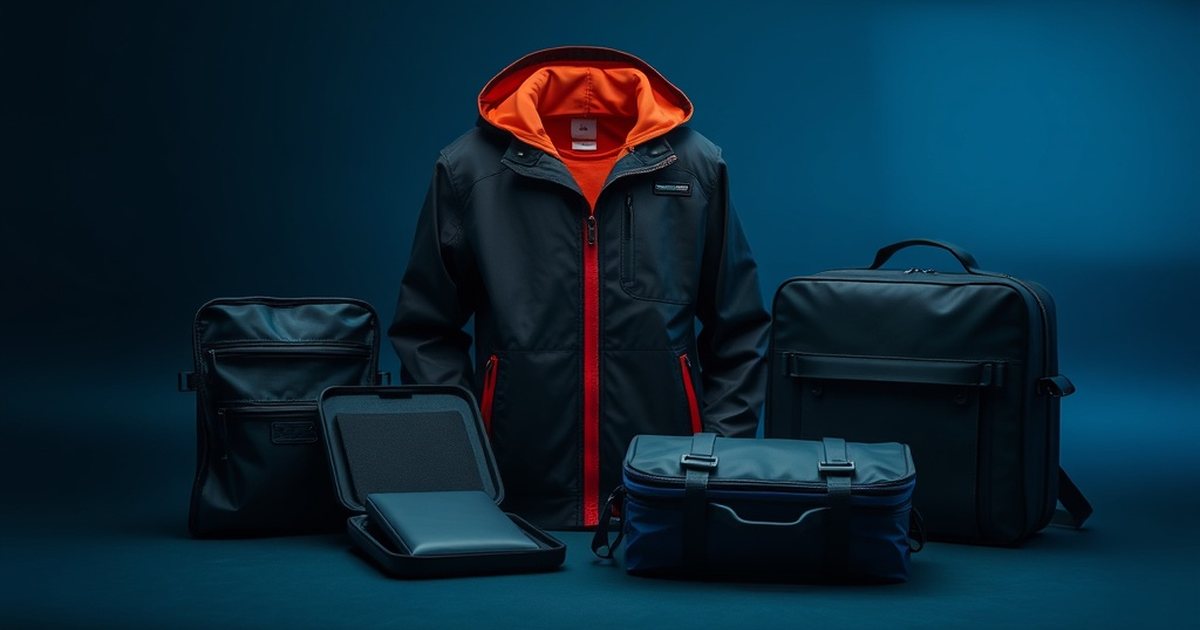
For many, it’s a tangible way to manage the invisible: like using blue-light glasses or air filters. Whether you’re seeking comfort, privacy, or reassurance, these garments blend physics and fashion into something quietly appealing.
The Future of EMF Protection Wear
As 5G expands and wireless networks multiply, EMF shielding technology is evolving fast.
We’re beginning to see:
- Smart textiles with built-in sensors that adapt shielding dynamically.
- Eco-friendly conductive fibers using carbon or bamboo derivatives.
- Fashion collaborations integrating EMF shielding into everyday wardrobes.
The next generation of EMF clothing will likely be lighter, more breathable, and stylish enough to go unnoticed, a continuous layer of protection for a connected world.
Final Thoughts
EMF protective clothing brings science into daily life: blending the physics of shielding with the comfort of wearable design. While it’s not a substitute for reducing device use or distance from sources, it offers a simple way to reduce RF exposure to the parts of the body it covers.
As with most modern wellness tools, it’s about balance: staying connected, but on your own terms.
References
- World Health Organization: Electromagnetic Fields and Public Health (who.int)
- IEEE Std 299Standard Method for Measuring Effectiveness of Electromagnetic Shielding Enclosures
- Shield Your Body: EMF-Blocking Apparel Testing Results (shieldyourbody.com)
- Lambs: SilverFlex Technology (getlambs.com)
- RadiaSmart: EMF Protection Clothing for Pregnancy (radiasmart.com)
Featured Products
Looking for quality EMF protection? Check out these recommended products:
Frequently Asked Questions
Does EMF clothing actually work?
Conductive fabric (silver, copper, or nickel-blended) does measurably attenuate RF signals when tested with a signal meter, that part is physics, not marketing. What it can’t do is shield you completely: gaps at the neck, wrists, and hem let signal through, coverage stops at the fabric’s edge, and no garment blocks 100% of exposure the way a fully sealed Faraday bag can for a device. Treat EMF clothing as partial, targeted reduction for the area it covers, not a full-body shield.
How does EMF protective clothing actually block electromagnetic radiation?
EMF protective clothing uses conductive materials like silver, copper, or stainless-steel threads woven into the fabric to create a physical barrier between your body and electromagnetic fields. This works similarly to a Faraday cage, which is a proven method for shielding electronics from electromagnetic interference.
What types of EMF frequencies can protective clothing block?
EMF protective clothing is designed to block a range of frequencies including those from smartphones, Wi-Fi signals, Bluetooth connections, and 5G towers. The specific frequencies blocked depend on the material composition and weave density of the garment.
Is EMF protective clothing actually effective, or is it just a trend?
EMF protective clothing’s effectiveness can be measured through shielding tests and real-world results, though effectiveness varies by garment type and material quality. The growing adoption reflects genuine health and wellness awareness among privacy-conscious consumers, though a balanced perspective on actual exposure risks is important when choosing to wear these garments.

What should I look for when choosing EMF protective clothing?
When selecting EMF protective clothing, you should consider the material type (silver-threaded, copper, or graphene-enhanced fabrics offer different benefits), the garment’s coverage area for your needs, and whether it includes additional features like antimicrobial or thermoregulating properties. You should also check the product’s shielding specifications and care instructions to ensure durability.
References
- Pušić T et al. Electromagnetic Shielding Properties of Knitted Fabric Made from Polyamide Threads Coated with Silver. Materials (Basel, Switzerland) (2021). PMID 33800263
- Ming Li Jiao et al. Electromagnetic Interference Shielding Properties of Silver-Plated Polyester Fabric. Applied Mechanics and Materials (2012). doi:10.4028/www.scientific.net/amm.239-240.310
- Bosiljka Šaravanja et al. EXPOSURE ANALYSIS OF ELECTROMAGNETIC SHIELD EFFECT OF A COPPER COMPOSITE CLOTH STRUCTURE. TEKSTİL VE KONFEKSİYON (2020). doi:10.32710/tekstilvekonfeksiyon.628905
- Fatemeh Dehrouyeh et al. On the Shielding Effectiveness of Anti-Electromagnetic-Radiation Clothes for Pregnant Females. (2023). doi:10.36227/techrxiv.22890860.v1
- Aerts S et al. Emissions From Smart Meters and Other Residential Radiofrequency Sources. Health physics (2019). PMID 30883437
- Tanja Pušić et al. Electromagnetic Shielding Effectiveness of Woven Fabric with Integrated Conductive Threads after Washing with Liquid and Powder Detergents. Polymers (2022). PMID 35746018
These statements have not been evaluated by the Food and Drug Administration. This information is not intended to diagnose, treat, cure, or prevent any disease. Content is for informational purposes only and is not medical advice; consult a qualified healthcare provider before starting any supplement. As an Amazon Associate we earn from qualifying purchases.