What Is a Faraday Bag? How Signal-Blocking Pouches Protect Your Phone, Keys, and Data
A Faraday bag is a pouch lined with conductive fabric that blocks the radio signals going in and out of whatever you place inside it. Drop a phone in one and it loses cellular, Wi-Fi, GPS, and Bluetooth in an instant. Drop a car key fob in and a thief standing outside your door can no longer amplify and clone its signal. The bag does not run on batteries and it does not need software. It works because of a piece of 19th-century physics that still holds up perfectly against a modern smartphone.
This guide explains what a Faraday bag actually is, how it works, what people use it for, and how to tell whether the one you own is doing its job. If you are ready to compare specific models, see our roundup of the best Faraday bags of 2026.
Introduction
Every wireless device you own is a small radio. It is constantly transmitting and receiving on known frequencies: cellular bands from roughly 600 MHz to 3.8 GHz, Wi-Fi at 2.4 and 5 GHz, GPS near 1.575 GHz, Bluetooth at 2.4 GHz, and short-range key-fob and RFID signals down at 315, 433, and 13.56 MHz. A Faraday bag is designed to stop all of that traffic at once by wrapping the device in a continuous conductive shell. The result is a private, offline bubble you can create anywhere, without turning the device off or trusting it to obey an airplane-mode setting.
What Is a Faraday Bag?
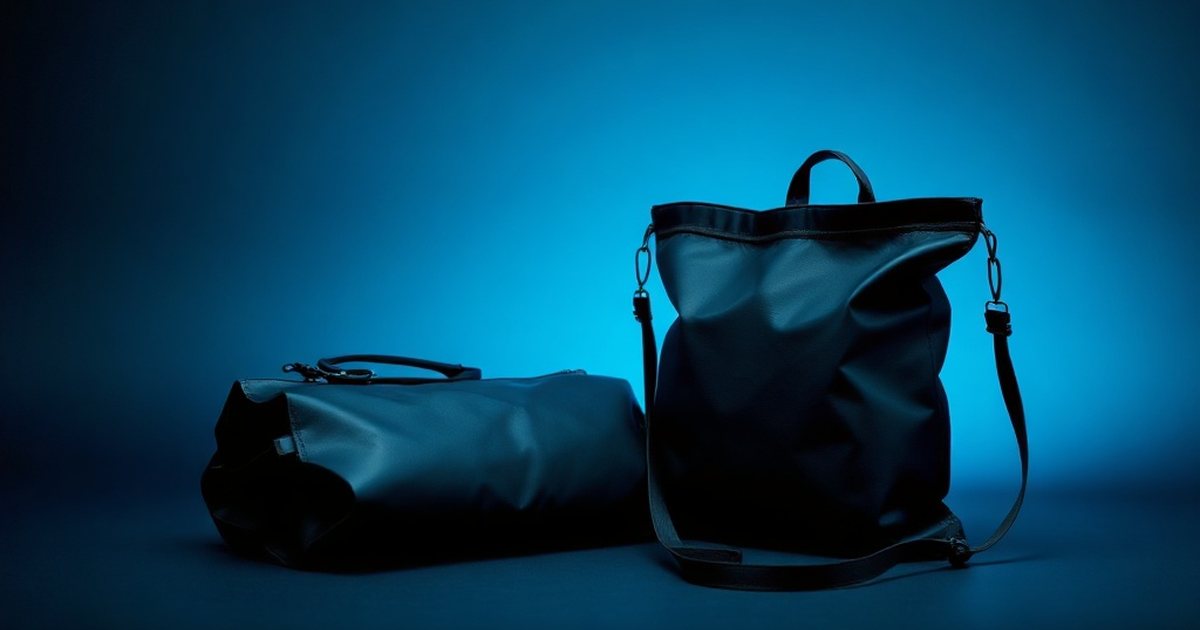
A Faraday bag (also called a Faraday pouch, signal-blocking bag, or RF-shielding bag) is a flexible enclosure built from fabric woven or coated with conductive metals, usually a blend of silver, copper, and nickel. That conductive layer forms what physicists call a Faraday cage: an enclosure that redistributes an external electromagnetic field around its surface instead of letting it pass through to the interior.
The concept is named after Michael Faraday, who demonstrated in 1836 that a charged conductive enclosure carries its charge on the outside and leaves the inside untouched.[1] A Faraday bag is simply a wearable, everyday-sized version of that experiment. The same principle protects passengers inside a car struck by lightning and shields sensitive electronics in a lab.
How a Faraday Bag Works
The Faraday Cage Principle
When a radio wave hits the conductive layer of the bag, the free electrons in the metal move to cancel the wave’s electric field. The energy is reflected and absorbed across the surface rather than transmitted through it. Because a phone cannot receive a tower’s signal or send its own back out, it effectively vanishes from every network. The measure of how much signal is stopped is called attenuation, expressed in decibels (dB). A quality Faraday bag typically delivers 40 to 80 dB of attenuation across common frequencies, and because decibels are logarithmic, even 40 dB means the signal reaching the phone is reduced to about one ten-thousandth of its original strength.
What Signals It Blocks
A well-made Faraday bag blocks the full spread of consumer wireless signals at the same time:
- Cellular (600 MHz – 3.8 GHz) – stops calls, texts, and mobile data, including 5G.
- Wi-Fi (2.4 GHz and 5 GHz) – cuts internet and local network access.
- GPS (1.575 GHz) – blocks location tracking and navigation.
- Bluetooth (2.4 GHz) – severs pairing with watches, earbuds, and trackers.
- Key fob and RFID/NFC (315 MHz, 433 MHz, 13.56 MHz) – prevents relay attacks and contactless skimming.
What People Use Faraday Bags For
1. Phone Privacy and Anti-Tracking
Placing a phone in a Faraday bag stops it from pinging cell towers, connecting to Wi-Fi, or reporting GPS coordinates. Journalists, executives, and privacy-conscious travelers use them to guarantee a device is offline during sensitive meetings, since airplane mode can be overridden by software or forgotten entirely.
2. Car Key Fob Anti-Theft
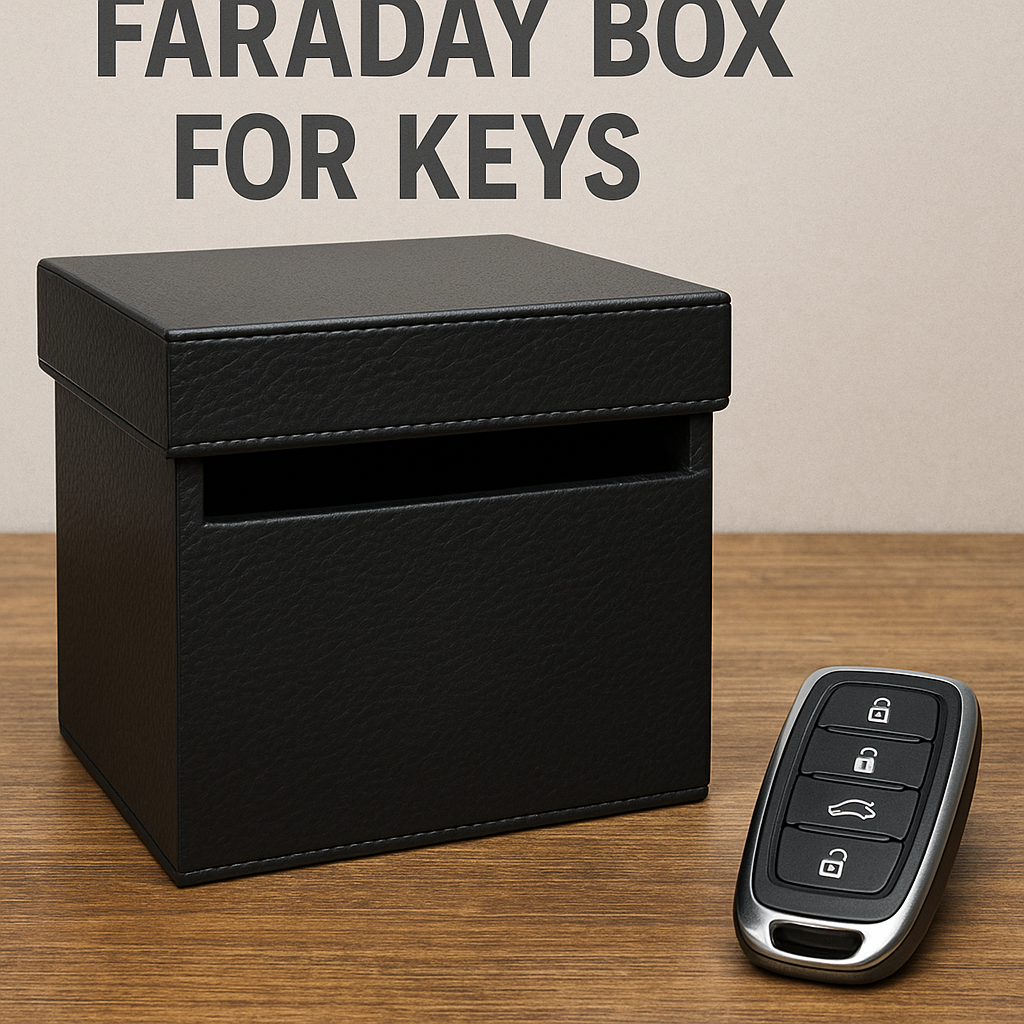
Modern keyless-entry cars are vulnerable to “relay attacks,” where thieves use a radio amplifier to capture your key fob’s signal through a wall and trick the car into unlocking. Storing the fob in a Faraday bag at night blocks that signal completely. This is one of the most popular uses, and we cover it in depth in our guide to Faraday bags for car keys.
3. Data and Card Security
Contactless credit cards, passports, and access badges carry RFID chips that can be read at short range. A Faraday bag or sleeve prevents unauthorized scanning of that data while the cards are stored.
4. Emergency and EMP Preparedness
Preppers store backup electronics, radios, and hard drives in heavy-duty Faraday bags to shield them from an electromagnetic pulse or solar event. For this use, seal quality and material thickness matter far more than for everyday phone storage.
5. Digital Forensics and Evidence Handling
Law enforcement and forensic investigators use certified Faraday bags to isolate seized phones so they cannot be remotely wiped or altered before the data is examined.
Do Faraday Bags Actually Work?
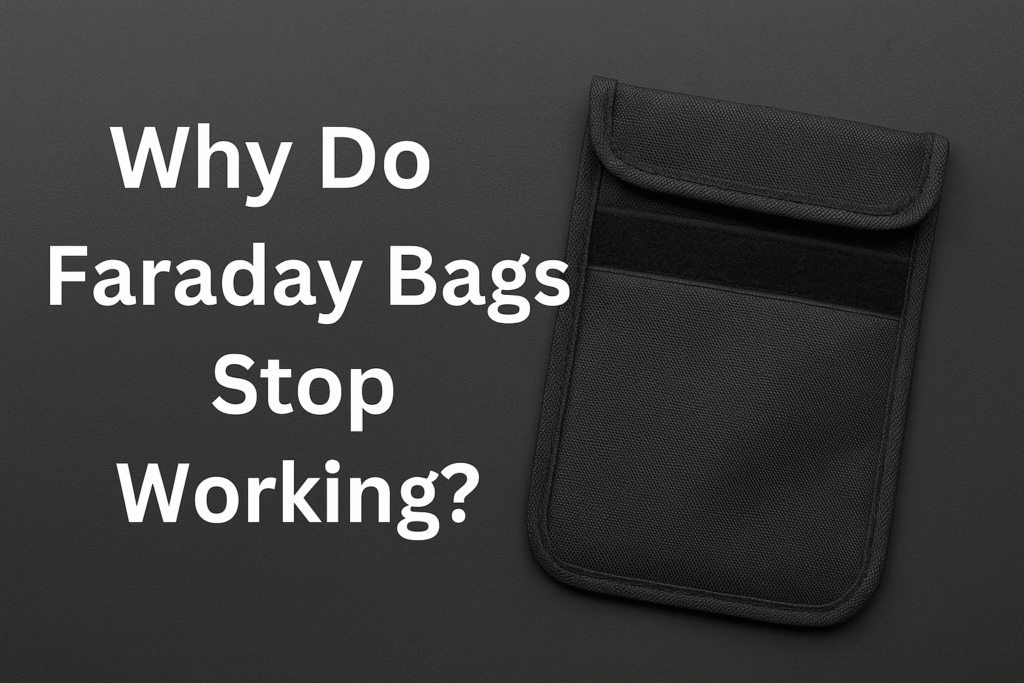
Yes, and the physics is not in dispute. A properly constructed Faraday bag with an intact conductive layer and a good closure will reliably block consumer wireless signals. The variation between products comes down to three things: the quality and coverage of the conductive fabric, the design of the seal (a single fold is weaker than a double roll-top), and wear over time. A bag that tests perfectly out of the box can degrade as the metallic threads crack from repeated folding. This is the single most common reason a bag stops shielding, which we explain in why Faraday bags stop working.

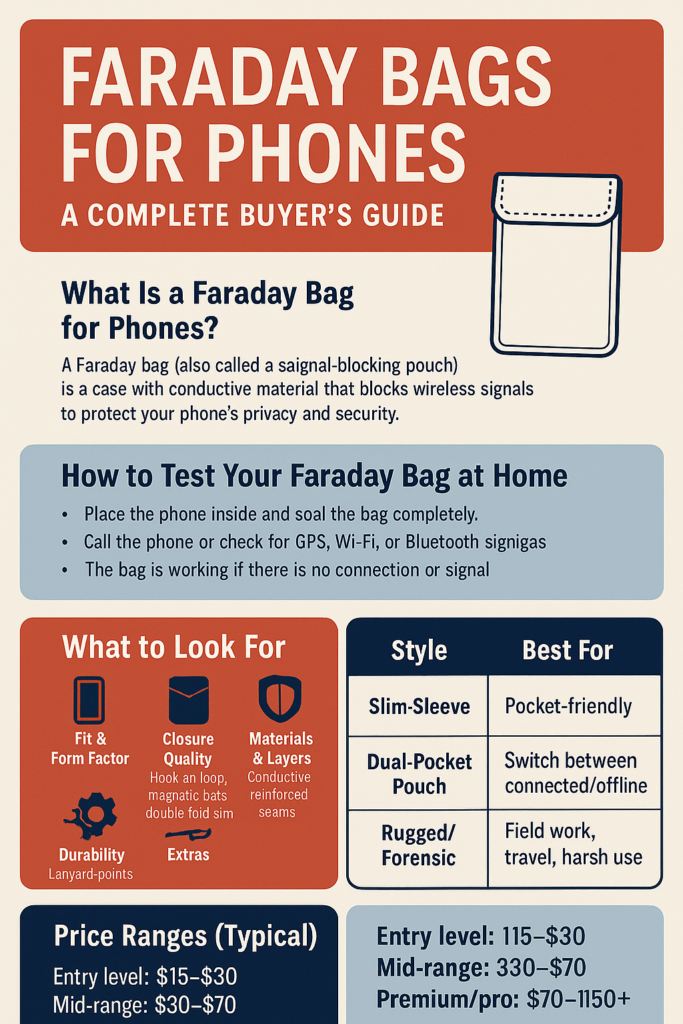
How to Test a Faraday Bag
You do not need lab equipment to confirm a bag works. Use this simple sequence:
- Turn the phone’s ringer and volume up and disable “Do Not Disturb.”
- Seal the phone fully inside the bag, following the closure instructions exactly.
- From a second phone, call and text the sealed device. A working bag means the call goes straight to voicemail and the text never arrives until you open it.
- Repeat the test for Bluetooth (try to pair) and, if relevant, attempt to locate the phone with a find-my-device service.
Run this test periodically. If a bag that used to pass starts letting calls through, the shielding fabric has likely failed and the bag should be replaced.
Types of Faraday Bags
| Type | Best For | Notes |
|---|---|---|
| Phone pouch | Everyday privacy, single device | Slim, pocket-sized, roll-top closure |
| Key fob pouch | Anti-theft for car keys | Small, often two-layer, sits by the front door |
| Card / passport sleeve | RFID protection | Thin, blocks 13.56 MHz contactless chips |
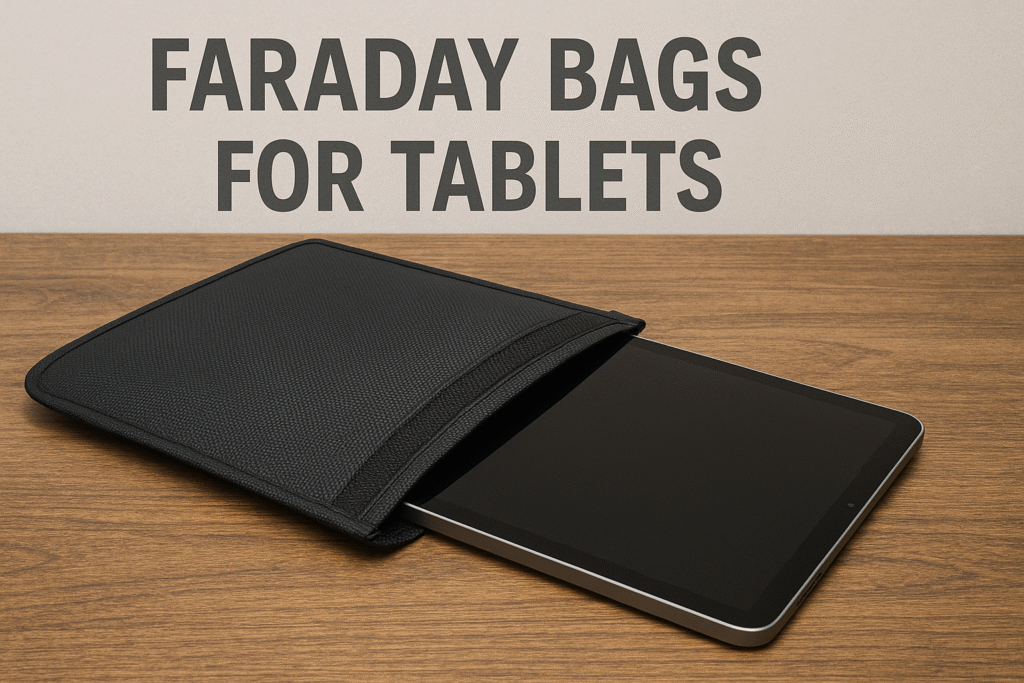
| Faraday backpack / bag | Multiple or larger devices | Holds laptops, tablets, radios |
| EMP-rated box or bag | Emergency electronics storage | Thicker material, certified attenuation ratings |
How to Choose a Faraday Bag
- Attenuation rating: Look for a stated dB figure across cellular, Wi-Fi, and GPS bands. Higher and broader is better.
- Closure design: A double or triple roll-top with a secure fastener beats a simple flap or magnetic seal.
- Size and fit: Match the bag to the device. Oversized bags fold poorly and stress the fabric; a snug fit lasts longer.
- Durability: Reinforced seams and a protective outer shell extend the life of the conductive layer.
- Intended use: Everyday phone storage has different needs than EMP prepping, where certified ratings matter most.
Limitations
A Faraday bag is not magic, and understanding its limits prevents a false sense of security:
- The seal must be complete. Any gap, even a small one, lets signal leak in and out. Most failures are closure failures, not fabric failures.
- The fabric wears out. Repeated folding cracks the metallic threads, so shielding degrades with age and use.
- It blocks everything, including alarms. A phone in a Faraday bag will not receive calls, alerts, or emergency notifications.
- It does not stop wired threats. A Faraday bag only addresses wireless signals, not malware already on a device.
Frequently Asked Questions
What is a Faraday bag in simple terms?
It is a pouch lined with metal-infused fabric that blocks all the radio signals a device uses, making a phone, key fob, or card completely offline and unreadable while it is sealed inside.

Do Faraday bags really work?
Yes. A well-made bag with an intact conductive layer and a proper seal reliably blocks cellular, Wi-Fi, GPS, Bluetooth, and RFID signals. You can confirm it yourself by sealing a phone inside and calling it, the call should go straight to voicemail.
Will a Faraday bag stop my phone from being tracked?
While the phone is fully sealed inside a working bag, it cannot transmit GPS coordinates or connect to towers and Wi-Fi, so it cannot be located or tracked. Tracking resumes the moment you remove it.
Can a Faraday bag protect my car keys from theft?
Yes. Storing a keyless fob in a Faraday bag blocks the relay attacks thieves use to amplify and clone the fob’s signal, one of the most effective and inexpensive defenses against keyless car theft.
Why did my Faraday bag stop working?
The most common cause is a cracked or worn conductive layer from repeated folding, followed by an incomplete seal. Test the bag regularly and replace it if calls start reaching a sealed phone.
Is a Faraday bag the same as airplane mode?
No. Airplane mode is a software setting the phone can override, ignore during updates, or re-enable automatically. A Faraday bag is a physical barrier that works regardless of the phone’s software state.
Do Faraday bags block 5G?
Quality Faraday bags block the full cellular range including 5G sub-6 GHz bands. Because 5G uses many of the same and higher frequencies, a bag rated for broad attenuation up to at least 6 GHz will cover it.
Key Takeaways
- A Faraday bag is a conductive-fabric pouch that blocks all wireless signals to and from a device using the Faraday cage principle.
- It stops cellular, Wi-Fi, GPS, Bluetooth, and RFID/key-fob signals simultaneously, with quality bags delivering 40-80 dB of attenuation.
- The top uses are phone privacy, car key anti-theft, RFID card protection, and emergency electronics storage.
- The seal and the condition of the fabric determine performance; most failures come from a poor closure or a worn conductive layer.
- Test any bag by sealing a phone inside and calling it, and replace bags that begin to leak signal.
References
- Wikipedia – Faraday Cage
- NIST – Electromagnetic Compatibility and Telecommunications LAP
- FCC – RF Consumer Information
Related reading: Best Faraday Bags of 2026 · Why Do Faraday Bags Stop Working? · Faraday Bags for Car Keys
{“@context”: “https://schema.org”, “@type”: “FAQPage”, “mainEntity”: [{“@type”: “Question”, “name”: “What is a Faraday bag in simple terms?”, “acceptedAnswer”: {“@type”: “Answer”, “text”: “It is a pouch lined with metal-infused fabric that blocks all the radio signals a device uses, making a phone, key fob, or card completely offline and unreadable while it is sealed inside.”}}, {“@type”: “Question”, “name”: “Do Faraday bags really work?”, “acceptedAnswer”: {“@type”: “Answer”, “text”: “Yes. A well-made bag with an intact conductive layer and a proper seal reliably blocks cellular, Wi-Fi, GPS, Bluetooth, and RFID signals. You can confirm it yourself by sealing a phone inside and calling it, the call should go straight to voicemail.”}}, {“@type”: “Question”, “name”: “Will a Faraday bag stop my phone from being tracked?”, “acceptedAnswer”: {“@type”: “Answer”, “text”: “While the phone is fully sealed inside a working bag, it cannot transmit GPS coordinates or connect to towers and Wi-Fi, so it cannot be located or tracked. Tracking resumes the moment you remove it.”}}, {“@type”: “Question”, “name”: “Can a Faraday bag protect my car keys from theft?”, “acceptedAnswer”: {“@type”: “Answer”, “text”: “Yes. Storing a keyless fob in a Faraday bag blocks the relay attacks thieves use to amplify and clone the fob’s signal, one of the most effective and inexpensive defenses against keyless car theft.”}}, {“@type”: “Question”, “name”: “Why did my Faraday bag stop working?”, “acceptedAnswer”: {“@type”: “Answer”, “text”: “The most common cause is a cracked or worn conductive layer from repeated folding, followed by an incomplete seal. Test the bag regularly and replace it if calls start reaching a sealed phone.”}}, {“@type”: “Question”, “name”: “Is a Faraday bag the same as airplane mode?”, “acceptedAnswer”: {“@type”: “Answer”, “text”: “No. Airplane mode is a software setting the phone can override, ignore during updates, or re-enable automatically. A Faraday bag is a physical barrier that works regardless of the phone’s software state.”}}, {“@type”: “Question”, “name”: “Do Faraday bags block 5G?”, “acceptedAnswer”: {“@type”: “Answer”, “text”: “Quality Faraday bags block the full cellular range including 5G sub-6 GHz bands. Because 5G uses many of the same and higher frequencies, a bag rated for broad attenuation up to at least 6 GHz will cover it.”}}]}These statements have not been evaluated by the Food and Drug Administration. This information is not intended to diagnose, treat, cure, or prevent any disease. Content is for informational purposes only and is not medical advice; consult a qualified healthcare provider before starting any supplement. As an Amazon Associate we earn from qualifying purchases.