How to Use Frequency Blocking Materials
Modern homes are full of convenience — Wi-Fi, Bluetooth, smart devices, 5G — but they’re also filled with electromagnetic signals. For those looking to reduce exposure or improve privacy, frequency blocking materials offer a practical, science-backed solution.
However, getting good results isn’t as simple as buying paint or fabric. To truly benefit, you need to install and use frequency blocking materials safely and effectively.
This guide walks you through everything you need to know — from grounding and layering to post-installation testing and maintenance — so your investment works as intended.
⚡ Understanding What Frequency Blocking Materials Actually Do
Before diving into setup, it’s important to understand the why and how.
Frequency blocking materials are designed to reduce or redirect electromagnetic fields (EMFs) and radio frequencies (RFs). They do this by either:
- Reflecting electromagnetic waves (using conductive surfaces like silver, copper, or aluminum), or
- Absorbing them (using carbon-based paints, foams, or ferrite compounds).
These materials don’t “delete” frequencies — they manage how much passes through, which is measured in decibels (dB).
A quick reference:
- 20 dB = ~90% reduction
- 40 dB = ~99% reduction
- 60 dB = ~99.9% reduction
(Electronics Notes – Shielding Effectiveness)
🖼️ Image prompt: Simple illustration showing waves bouncing off a silver-coated wall, with arrows labeled “reflected” and “attenuated.”
🧰 Step-by-Step: How to Use Frequency Blocking Materials Safely
1. Identify Your Sources of Exposure
Start by understanding where your main signal sources are.
Common household emitters include:
- Wi-Fi routers (2.4–5 GHz)
- Smart TVs and appliances
- Cell towers (700 MHz–5 GHz)
- Smart meters or nearby 5G small cells
- Household wiring (low-frequency fields)
Use a consumer-grade EMF/RF meter like the Safe and Sound Pro II or Cornet ED88T to measure signal strength before and after installation.
🖼️ Image prompt: Person holding a handheld RF meter near a Wi-Fi router with signal readings displayed.
2. Choose the Right Material for the Application
Different frequency blocking materials serve different purposes. Match them to your environment:
| Area | Recommended Material | Example Product |
|---|---|---|
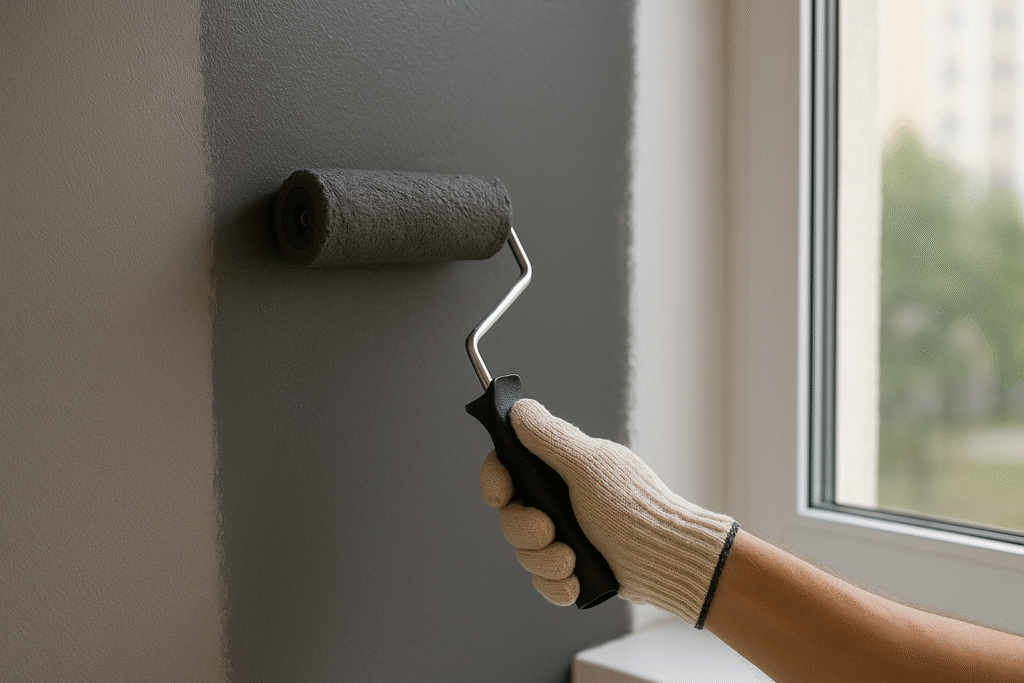
| Walls / ceilings | Conductive paint | YShield HSF54 Paint |
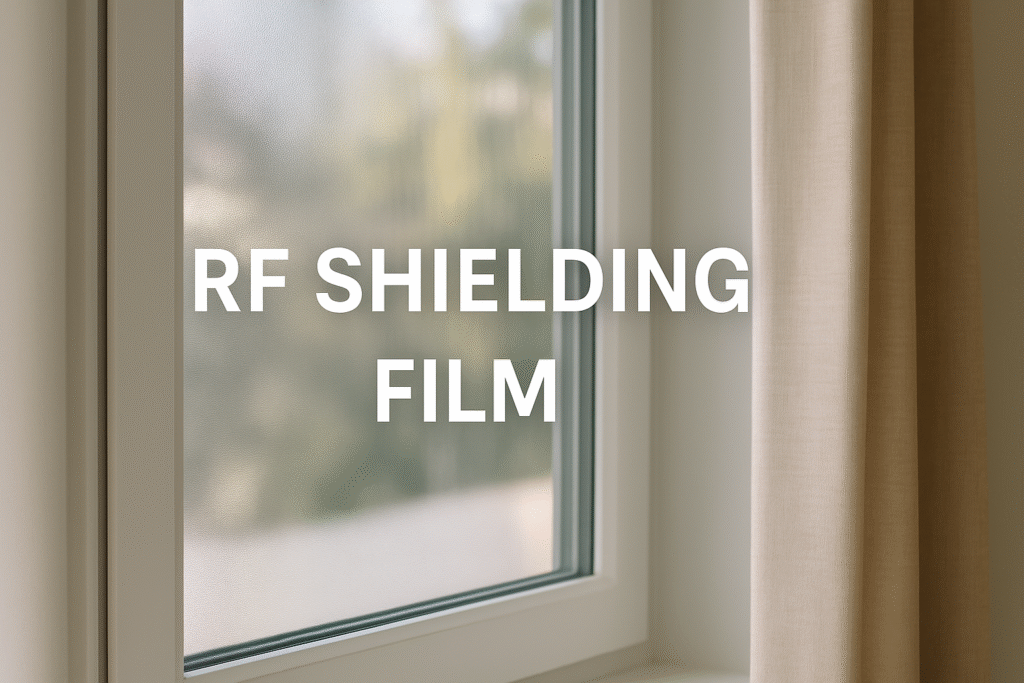
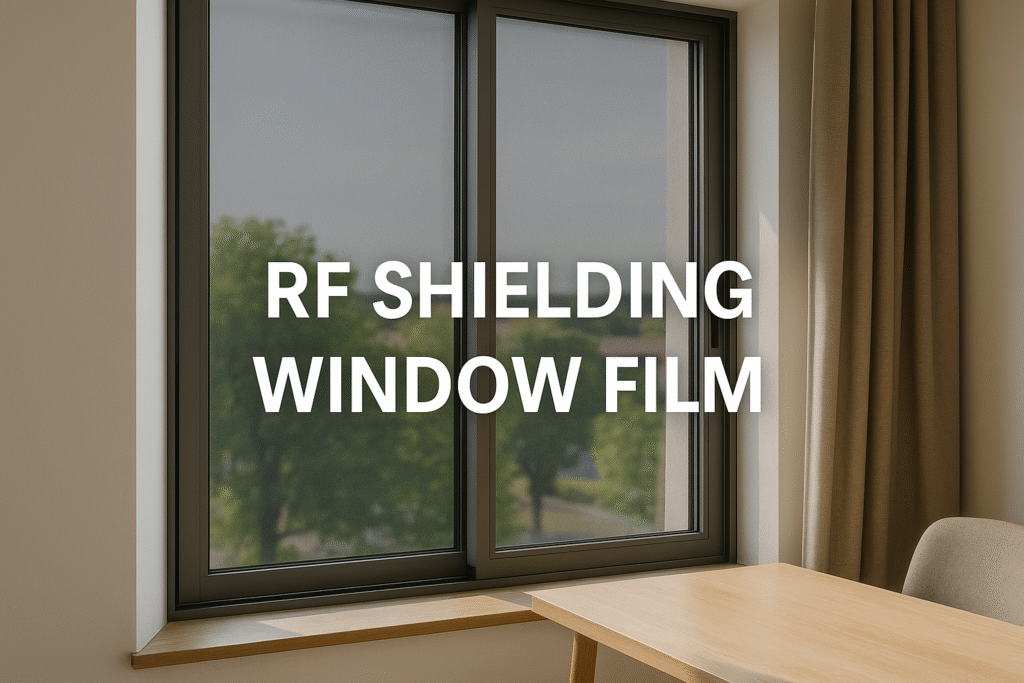
| Windows / glass | RF window film | Signals Defense Film |
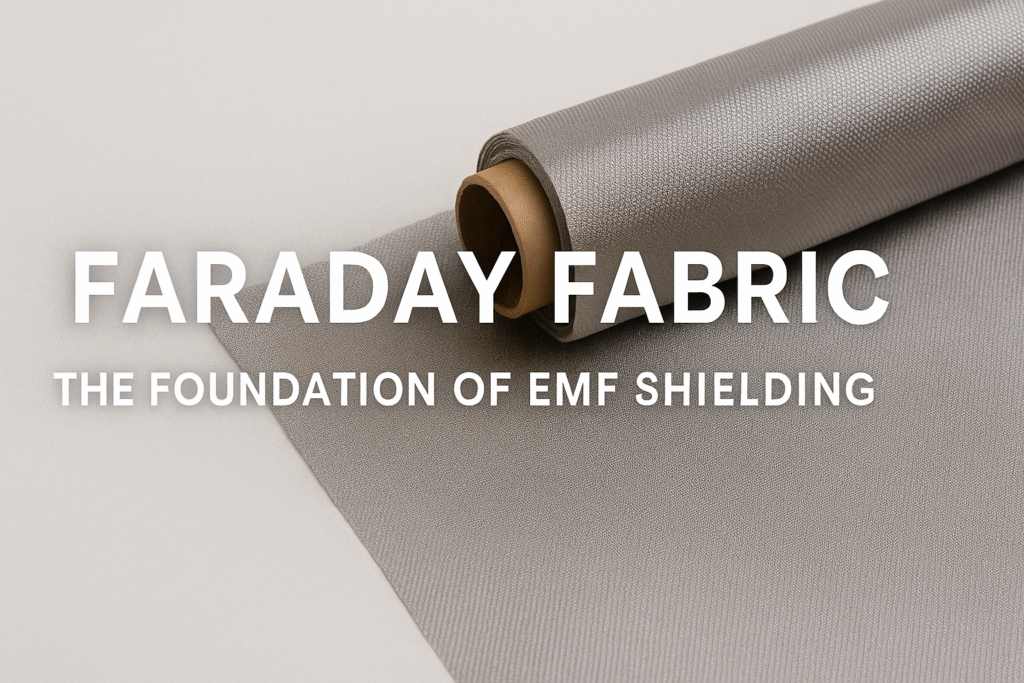
| Bedding / curtains | Silver or copper fabric | SilverAffect Silver Jersey Fabric |
| Flooring / underlayment | Grounding mesh | Swiss Shield Ground Mesh |
| Personal wear | Silver-lined scarf | Radia Smart EMF Scarf |
🖼️ Image prompt: Flat lay photo showing different frequency blocking materials — fabric, paint, foil, and film rolls — labeled by type.
3. Prepare the Surface or Area
- Clean and dry: Remove dust or oil before applying paints or films.
- Plan coverage: Overlap edges to avoid “leaks.” Even small gaps can let frequencies through.
- Label or map: Note which walls or windows will be shielded; partial coverage can sometimes cause signal reflection buildup if not grounded.
🖼️ Image prompt: DIYer taping off wall sections with painter’s tape before applying black conductive paint.
4. Proper Grounding: The Most Overlooked Step
Grounding is essential for safety and effectiveness. Conductive materials like paints, meshes, and fabrics need a path for static and electric fields to safely discharge.
Without grounding, these materials can reflect signals unpredictably or accumulate static electricity.
How to ground properly:
- Use a grounding plate or ground strap (sold by most EMF product suppliers).
- Connect to a grounded outlet (not just any plug — it must be verified with a tester).
- For paint, insert a grounding tape under the first layer and connect it to the outlet ground.
- For fabrics, attach grounding clips to metal grommets.
(Safe Living Technologies Grounding Guide)
🖼️ Image prompt: Technician attaching a grounding strap to a wall plate labeled “Grounded.”
5. Layering for Better Coverage
Combining materials often yields better results. For example:
- Paint + Window Film: Block wall and glass entry points.
- Fabric + Canopy Mesh: Protect sleeping areas while allowing airflow.
- Paint + Foil Tape: Seal corners, outlets, and seams.
Tip: Each 10 dB improvement equals roughly ten times better signal reduction — so layering can make a big difference.
🖼️ Image prompt: Cutaway diagram of a bedroom wall showing paint, foil tape, and window film layers labeled.
6. Avoid Common Mistakes
Even high-quality frequency blocking materials can underperform if used incorrectly.
Avoid these pitfalls:
- ❌ Failing to ground conductive surfaces.
- ❌ Leaving unshielded gaps near windows, doors, or ceilings.
- ❌ Using reflective materials near powerful transmitters (it can cause hotspots).
- ❌ Overlapping metal materials without isolation (can create electrical loops).
- ❌ Forgetting ventilation — some shielding setups trap heat or humidity.
Pro Tip: Start small — shield one wall or area at a time. Measure changes before doing the entire room.
7. Test After Installation
Testing ensures your effort is working as intended.
Simple methods:
- RF/EMF Meter Readings: Measure signal strength in the same spot before and after installation.
- Phone Test: Place your phone in a shielded area — does it lose signal? That’s a quick qualitative check.
- Wi-Fi Analyzer Apps: Measure RSSI (signal strength) before and after blocking.
Advanced users: can request lab-grade testing under ASTM D4935-18 for exact attenuation values, but home readings usually suffice.
🖼️ Image prompt: Person holding an RF meter near a newly painted wall, showing reduced readings.
8. Maintain and Monitor
Over time, wear and environment affect performance:
- Fabrics: Wash gently (cold water, mild detergent, no bleach).
- Paints: Reground or touch up cracks periodically.
- Foil and tape: Check for corrosion or peeling.
- Window films: Clean gently to avoid scratching conductive coating.
Annual re-testing helps verify your frequency blocking materials still perform as expected.
🧩 Safety First: What to Know Before You Begin
- Consult an electrician before grounding to avoid wiring hazards.
- Follow manufacturer instructions — grounding kits and conductive paints vary.
- Don’t shield entire rooms unless needed; some setups can trap unwanted reflections or limit device function.
- Balance safety and practicality: It’s okay to shield bedrooms or offices while keeping Wi-Fi accessible elsewhere.
🖼️ Image prompt: Electrician using a grounding tester near a wall outlet with a safety checklist.
🧠 Smart Layering Strategy for the Average Home
If you want a simple, effective plan to start with:
- Bedroom:
- Paint the wall behind the bed with YShield or WOREMOR RF paint.
- Add a silver fabric canopy or curtains.
- Ground both.
- Home Office:
- Apply window film and use a fabric desk mat.
- Keep router 6–10 feet away.
- Living Area:
- Use breathable shielding fabrics for drapes if exposed to strong tower signals.
- Whole-Home Strategy:
- Combine shielding with smart behavior: turn off Wi-Fi at night, use wired Ethernet, and keep devices out of bedrooms.
🖼️ Image prompt: Illustrated floor plan showing “shielded zones” in blue with icons for paint, film, and fabric.
🧾 Key Takeaways
- Frequency blocking materials work best when installed with grounding and full coverage.
- Layering different materials (paint, fabric, film) enhances attenuation significantly.
- Testing your setup ensures you’re not guessing about protection levels.
- Safe installation and regular maintenance extend performance for years.
When used properly, frequency blocking materials can transform your home into a low-exposure, healthier environment — without sacrificing comfort or design.
References
- YShield HSF54 Conductive Paint Guide
- SilverAffect Silver Jersey Fabric
- Signals Defense Window Film
- Swiss Shield Ground Mesh
- Safe Living Technologies Grounding Tutorial
- NIST EMF Metrology Program
- FCC Radiofrequency Safety
- Electronics Notes – Shielding Effectiveness Explained
Featured Products
Looking for quality EMF protection? Check out these recommended products:
Frequently Asked Questions
What’s the difference between reflecting and absorbing frequency blocking materials?
Reflecting materials like silver, copper, and aluminum bounce electromagnetic waves away from your space, while absorbing materials such as carbon-based paints and ferrite compounds soak up the waves instead. Both approaches reduce exposure, but you may want to combine them for optimal coverage in your home.
Why is grounding important when installing frequency blocking materials?
Grounding ensures that blocked electromagnetic energy is safely discharged instead of building up and creating hotspots in your home. Without proper grounding, your shielding installation won’t perform at its full potential and could create unintended consequences.
How do I know if my frequency blocking materials are actually working after installation?
You should test your installation after setup using RF meters or professional electromagnetic field detectors to measure the decibel reduction you’ve achieved. Testing helps confirm whether you’ve reached your target protection level, such as a 20 dB (90%) or 40 dB (99%) reduction.
Can I just use one layer of shielding material, or do I need multiple layers?
While a single layer provides some protection, layering different types of frequency blocking materials together typically gives you better coverage and higher decibel reduction. A smart layering strategy combines reflective and absorptive materials based on your specific exposure sources and protection goals.