
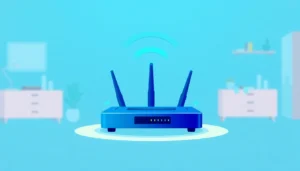
EMF Tip #28: Use a Mechanical Timer for Your Router
You intend to turn off WiFi at night but keep forgetting. A mechanical outlet timer automates the shutoff so your router powers down on schedule.
100 practical tips to reduce EMF radiation exposure in your home and daily life.
You intend to turn off WiFi at night but keep forgetting. A mechanical outlet timer automates the shutoff so your router powers down on schedule.
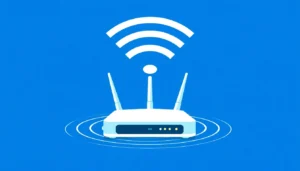
Most routers use two-prong power plugs with no grounding path. Adding a grounded adapter helps drain stray voltage from the router chassis.

Not sure whether to use WiFi or cellular data? WiFi from a distant router typically uses less power than cellular, making it the lower-EMF option.
You need mobile internet access but want to minimize exposure. A USB cable tethered from phone to laptop gives you data without a wireless hotspot signal.
You keep your phone nearby “in case someone calls”—but 90% of the time, it could wait. You’re getting irradiated for the off chance of an urgent call….
You want to ditch your cordless phone but still want the convenience of a home phone line….
Cordless phones are among the worst EMF offenders in your home. A corded landline produces zero RF radiation and still handles calls clearly.
You need WiFi for some devices but want to reduce exposure. Turning down power isn’t enough for your situation….

Conventional routers are designed for performance, not health. Eco routers lower their output power and pulse less during idle periods.

Dual-band routers emit two separate frequencies, 2.4GHz and 5GHz. Turning off the 5GHz band cuts one RF source with minimal speed loss.

Most routers ship with transmission power at maximum—designed to reach your backyard and your neighbor’s house. If you’re in a small apartment, you’re…
Your router broadcasts RF radiation continuously—even at 3 AM when everyone’s asleep. That’s 8 hours of unnecessary exposure every night, right when y…